

There’s something special about Italian Penicillin Soup the way its aroma fills the kitchen and makes everyone wander in for a taste. It feels like a warm hug in a bowl, the kind of meal that heals a long day, comforts a sore throat, or simply brings people together around the table. Clara wants you to feel confident making this soup, even if you are new to the kitchen. It’s forgiving, quick to pull together, and full of honest, bright Italian flavors that feel familiar and exciting at the same time.
If you enjoy simple, restorative recipes that come together with pantry staples, you will love this one. For a slightly different spin on Italian comfort soups, you might also like this gentle pastina version I keep on hand when the weather turns cool: Classic Italian Pastina Soup. It’s an easy way to see how small pasta and broth create a soothing texture.
Why You’ll Love Making This Italian Penicillin Soup
This soup is the kind of recipe you can make without a lot of fuss and still feel proud of the result. It balances bright lemony lift with savory broth and gentle greens, and it welcomes substitutions so you can work with what you have.
It is forgiving on timing. If you need to simmer a little longer to deepen the flavor, that is fine. If you need to swap kale for spinach or use low-sodium broth, it will still be warm and satisfying. The finished bowl has comforting aroma, a sunny squeeze of lemon, and enough body to count as both a cozy starter and a light main.
Think of this as a weeknight go-to or a pantry-friendly go-to for when someone under the weather needs a gentle pick-me-up. It pairs well with crusty bread and a simple salad, and it stores beautifully for easy reheating later.
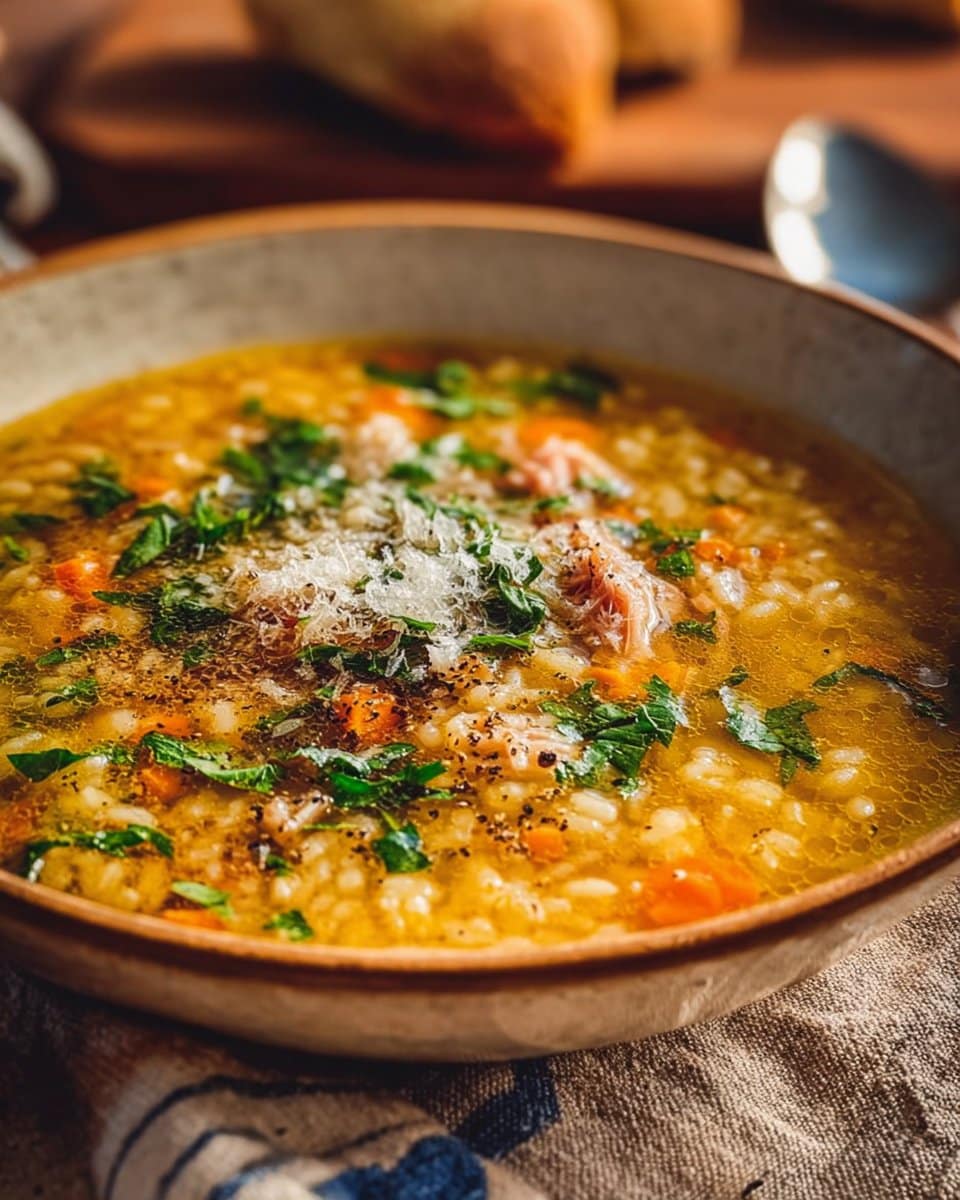
Step-by-Step: How to Make Italian Penicillin Soup
“Cooking isn’t about perfection. It’s about enjoying every delicious step.”
Before we dive into the ingredients and the numbered directions, take a moment to set out your tools. You will need one large, sturdy pot with a lid, a wooden spoon, a good knife, and a cutting board. These simple items allow you to work confidently and keep the cook time steady.
This recipe is straightforward: sweat aromatics until soft, add broth and tomatoes, stir in greens, simmer gently, and finish with a squeeze of lemon. If you want a heartier bowl, try adding small pasta or beans. If you are curious about a sausage-and-bean variation, take a look at this heartier soup for inspiration: Italian Sausage and White Bean Soup.
Ingredients You’ll Need for Italian Penicillin Soup
1 tablespoon olive oil Use a good, fruity olive oil. It adds warmth to the sautéed vegetables.
1 onion, chopped Yellow or sweet onion both work. Chop to medium dice so it softens evenly.
2 carrots, diced Carrots add sweetness and color. Cut them small so they become tender in the simmer.
2 celery stalks, diced Celery brings a subtle, savory backbone that rounds out the soup.
3 cloves garlic, minced Fresh garlic is best. Mince finely for even flavor distribution.
6 cups vegetable broth Use a flavorful broth. If you have low-sodium broth, you can control the salt better.
1 cup kale or spinach, chopped Kale will hold its texture; spinach wilts quickly. Both are excellent.
1 cup diced tomatoes (canned or fresh) Canned diced tomatoes add depth and convenience; fresh tomatoes give a bright, clean taste.
1 teaspoon dried oregano Dried oregano is warm and slightly floral. Fresh basil can be added at the end too.
Salt and pepper to taste Start with a small pinch and adjust as you simmer.
Lemon juice for serving One lemon squeezed over the top brings brightness and helps lift the soup.
Notes: If you prefer a touch of richness, a small pat of butter at the end is lovely. Fresh herbs like parsley or basil make a noticeable difference when sprinkled on top just before serving. For more pasta-forward comfort, see this tortellini version that I sometimes make when I want the soup to feel like a full meal: Italian Sausage Tortellini Soup.
Directions: Cooking with Confidence
- In a large pot, heat the olive oil over medium heat. Add the onion, carrots, and celery, and sauté until softened, about 5-7 minutes.
- Watch the pot and stir occasionally. You want the vegetables to sweat and soften, not brown deeply. The onions will turn translucent and the carrots and celery will give a little when pierced by the tip of a spoon.
- Listen for a soft sizzle. That sound means the oil is doing its job and the aromatics are releasing their flavor.
- Add the garlic and cook for an additional minute, until fragrant.
- Garlic cooks quickly. Stir it into the softened vegetables and let it release a warm, aromatic scent without letting it brown. If it starts to brown, lower the heat right away.
- Pour in the vegetable broth and bring to a boil.
- Add the broth gradually and scrape the bottom of the pot with a wooden spoon to pull up any browned or flavorful bits. Bring the liquid up to a gentle boil, then reduce to a simmer.
- Stir in the kale or spinach, diced tomatoes, oregano, salt, and pepper.
- If you are using kale, you may want to remove thick stems and chop the leaves. Kale benefits from a little extra simmer time. Spinach can be added toward the end because it wilts quickly.
- Taste the broth after adding the tomatoes and dried oregano. Adjust salt and pepper now, because the flavors will meld as the soup simmers.
- Reduce heat and let simmer for 15-20 minutes.
- Cover the pot partially to allow aromas to escape while keeping the heat steady. Simmering for 15-20 minutes lets the vegetables become tender and the flavors combine.
- If you are adding pasta, cook it in a separate pot and add it to bowls when serving to avoid the pasta soaking up too much broth if you plan to store leftovers.
- Serve warm, with a squeeze of lemon juice on top.
- A final squeeze of lemon brightens the whole bowl and creates a gentle contrast with the savory broth. Add fresh basil or parsley and a drizzle of extra virgin olive oil if you like.
- Serve with warm, crusty bread or a slice of toasted focaccia for dipping.
These steps will give you a soup that is clean in flavor, satisfying in texture, and quick enough to be a weeknight hero. If you want a richer base, simmer for an extra 10 minutes to concentrate the broth. If you prefer a lighter bowl, use water or a lower-sodium broth and add fresh herbs more liberally at the end.
How to Serve Italian Penicillin Soup and Make It Shine
Serve this soup in warm bowls to keep the broth hot longer. A small drizzle of high-quality olive oil on top before serving adds a silky finish and a glossy sheen that looks and tastes wonderful.
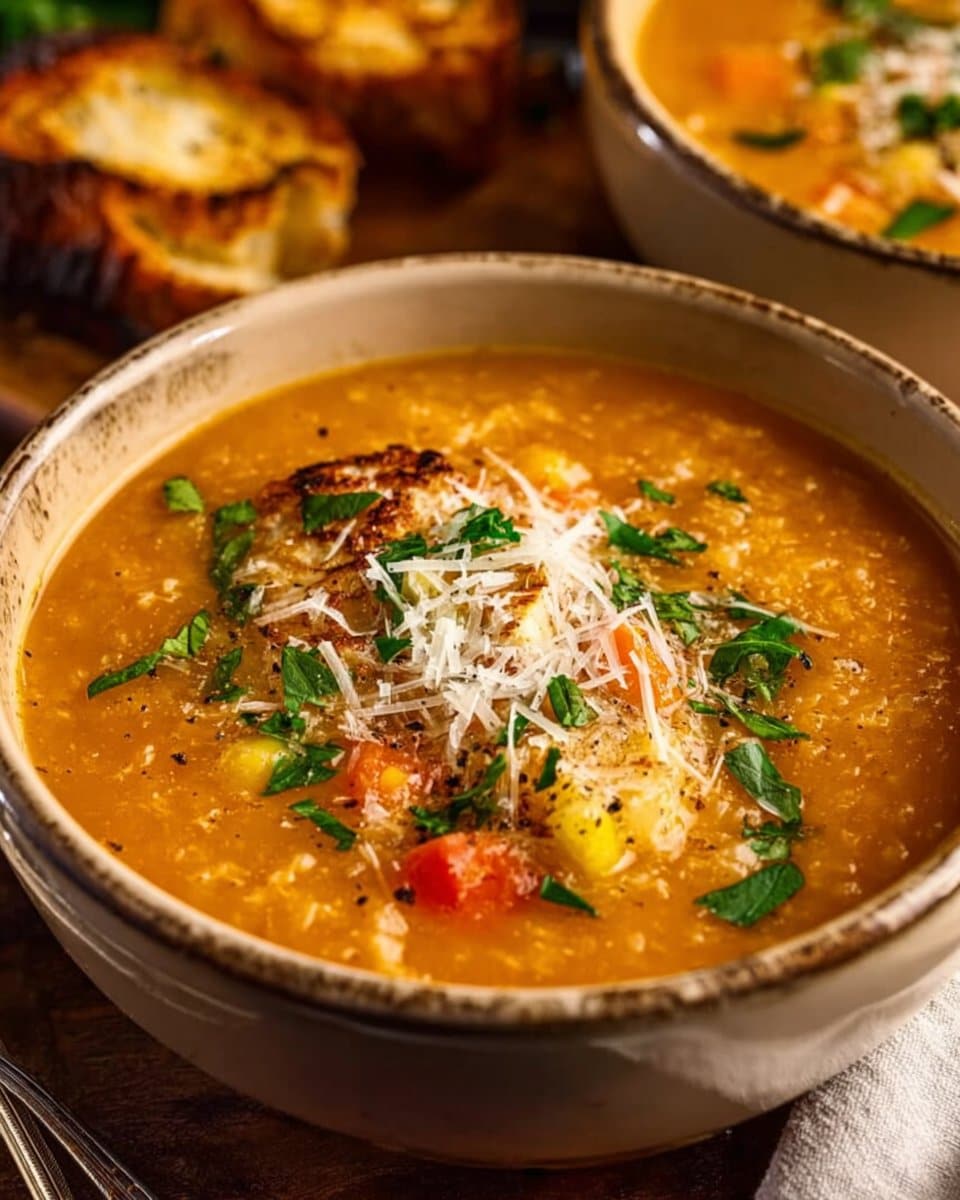
Top with freshly grated Parmesan or Pecorino for savory depth. If you like texture, add croutons or toasted seeds on the side. A wedge of lemon on the side of the bowl allows each person to adjust acidity to taste.
Pair the soup with simple sides, such as a green salad dressed lightly with lemon and olive oil, or a pan of garlic bread for dunking. For a family meal, serve with a board of sliced cheeses, olives, and thinly sliced cured meats so everyone can nibble.
Presentation tip: Use a shallow bowl for a wider surface area; the lemon aroma will be more noticeable. Garnish with finely chopped parsley or basil and a few grinds of black pepper to make each bowl feel cared for.
How to Store Italian Penicillin Soup for Later
This soup stores very well in the refrigerator for up to 4 days. Cool it to room temperature, then transfer to an airtight container. If your container is glass, storing the soup in it once cool reduces additional dish work later.
For longer storage, freeze in portions. Use freezer-safe containers or heavy-duty freezer bags. Leave a little room at the top because the liquid will expand when it freezes. Freeze for up to 3 months for best flavor.
Reheating: If refrigerated, reheat gently on the stove over medium-low heat until warmed through. Add a splash of broth or water if the soup has thickened. If frozen, thaw overnight in the refrigerator or reheat from frozen over low heat, stirring occasionally so it heats evenly.
If you added pasta directly to the soup before storing, it may absorb broth and become softer over time. For the best texture after storage, cook pasta separately and combine with the hot soup just before serving.
Clara’s Tips for Success
- Use fresh garlic and modest salt.
- Fresh garlic gives a clean flavor. Start with less salt and add more after simmering to avoid over-salting.
- Keep the vegetables fairly uniform in size.
- Even cuts cook at the same rate, giving a balanced texture. Small dice on carrots and celery help them turn tender in the brief simmer.
- Taste as you go.
- Adjust salt, pepper, and lemon at the end. The lemon is the finishing touch and can change the whole profile, so add it last.
- Make it your own with small pantry swaps.
- No kale? Use spinach. No canned tomatoes? Chop fresh tomatoes. Want more protein? Stir in white beans toward the end.
- If you want a clearer broth, skim any foam during the initial simmer and don’t overboil.
- Gentle simmering keeps the flavors clean and the broth visually appealing.
Simple Variations to Try
Add small pasta: For a heartier meal, add 1/2 to 1 cup of small pasta like pastina or orzo. Cook pasta separately and add to bowls to keep the texture.
Make it brothy with beans: Stir in a can of drained white beans during the last 5 minutes for extra protein and creaminess.
Chicken version: Add shredded cooked chicken or poach a chicken breast gently in the broth before adding the greens. If you want a classic take similar to Nonna’s, try this comforting pastina and chicken approach for a nostalgic feel: Classic Italian Pastina Soup.
Spicy twist: If you like heat, add a pinch of red pepper flakes when sautéing the onion and celery for a subtle warmth throughout the soup.
Creamy finish: For a touch of richness, stir in a splash of cream or a little mascarpone at the end. This makes the soup silky while keeping the bright notes of lemon.
Herb-forward: Add torn basil leaves or chopped parsley at the end for a fresh finish. Fresh herbs shine when added off the heat.
Vegetarian protein boost: Add cubed tofu or tempeh, or finish with a handful of toasted pine nuts for texture.
These variations keep the spirit of the soup while allowing it to be a blank canvas for what you have on hand.

Italian Penicillin Soup
Ingredients
Method
- In a large pot, heat the olive oil over medium heat.
- Add the onion, carrots, and celery, and sauté until softened, about 5-7 minutes.
- Add the garlic and cook for an additional minute, until fragrant.
- Pour in the vegetable broth and bring to a boil. Scrape the bottom of the pot to pull up any flavorful bits.
- Stir in the kale or spinach, diced tomatoes, oregano, salt, and pepper.
- Reduce heat and let simmer for 15-20 minutes.
- Serve warm, with a squeeze of lemon juice on top.
- Add fresh basil or parsley and serve with crusty bread.
Nutrition
Notes
Tried this recipe?
Let us know how it was!FAQs About Italian Penicillin Soup
Can I make this ahead of time?
Yes. The flavors meld nicely after a day in the fridge. Reheat gently and add a splash of broth if needed. If you plan to store for several days, cook pasta separately and add when serving to prevent it from getting too soft.
Is this soup suitable for vegetarians?
Yes, when made with vegetable broth it is vegetarian-friendly. If you want to add shredded chicken, it becomes a non-vegetarian option.
Can I use frozen greens?
Absolutely. Frozen spinach or chopped kale works well. Add frozen greens a bit earlier in the simmer to give them time to unthaw and integrate.
How do I adjust the seasoning?
Taste at several stages. Start with a small amount of salt and pepper, then adjust after simmering. Lemon juice is the final adjustment and helps balance the flavors.
Can I add pasta directly to the pot?
You can, but it will absorb broth over time and change the texture if you plan to store leftovers. For the best results when storing, cook pasta separately and add it to each bowl before serving.
Conclusion
I hope this Italian Penicillin Soup helps you discover how simple and rewarding homemade cooking can be. You’ve got this, and Clara is cheering for your kitchen confidence with every aromatic stir and squeeze of lemon.
For another take on this comforting tradition, you might enjoy this detailed recipe collection that mirrors the same cozy spirit at Italian Penicillin Soup Recipe. If you are curious about a version that features chicken and tiny pasta for an old-fashioned feel, this guide is a lovely companion: Italian Chicken Pastina Soup (aka Italian Nonna’s Penicillin Soup).
Thank you for cooking along. Enjoy the warmth, the comfort, and the bright little lemon squeeze that turns a simple soup into a moment of care.
