
There is a quiet kind of peace that comes when a pan of Lemon Chicken Romano warms the kitchen and the light through the window catches the steam. The scent of lemon and warm cheese folds into the air, and for a moment everything slows. This is the kind of meal that asks you to breathe, to take your time, and to enjoy the calm ritual of cooking and sharing. I often think of my own small kitchen, the soft hum of the stove and the way the countertop collects tiny flecks of flour like a gentle map of the day. If you are here, you are welcome to move slowly with me and let this dish bring ease to your table.
Even in the quiet, food can be a companion. As you prepare Lemon Chicken Romano, notice the texture of the chicken as you press it gently flat, feel the coolness of the lemon zest under your fingertips, and listen to the pan as it sings when the oil first warms. These are small, grounding moments. If you enjoy pairing flavors differently on different nights, you might also explore similar heartening recipes like Greek chicken with lemon rice, which shares a gentle citrus warmth and feels like an old friend at the table.
Why This Lemon Chicken Romano Brings Comfort and Nourishment
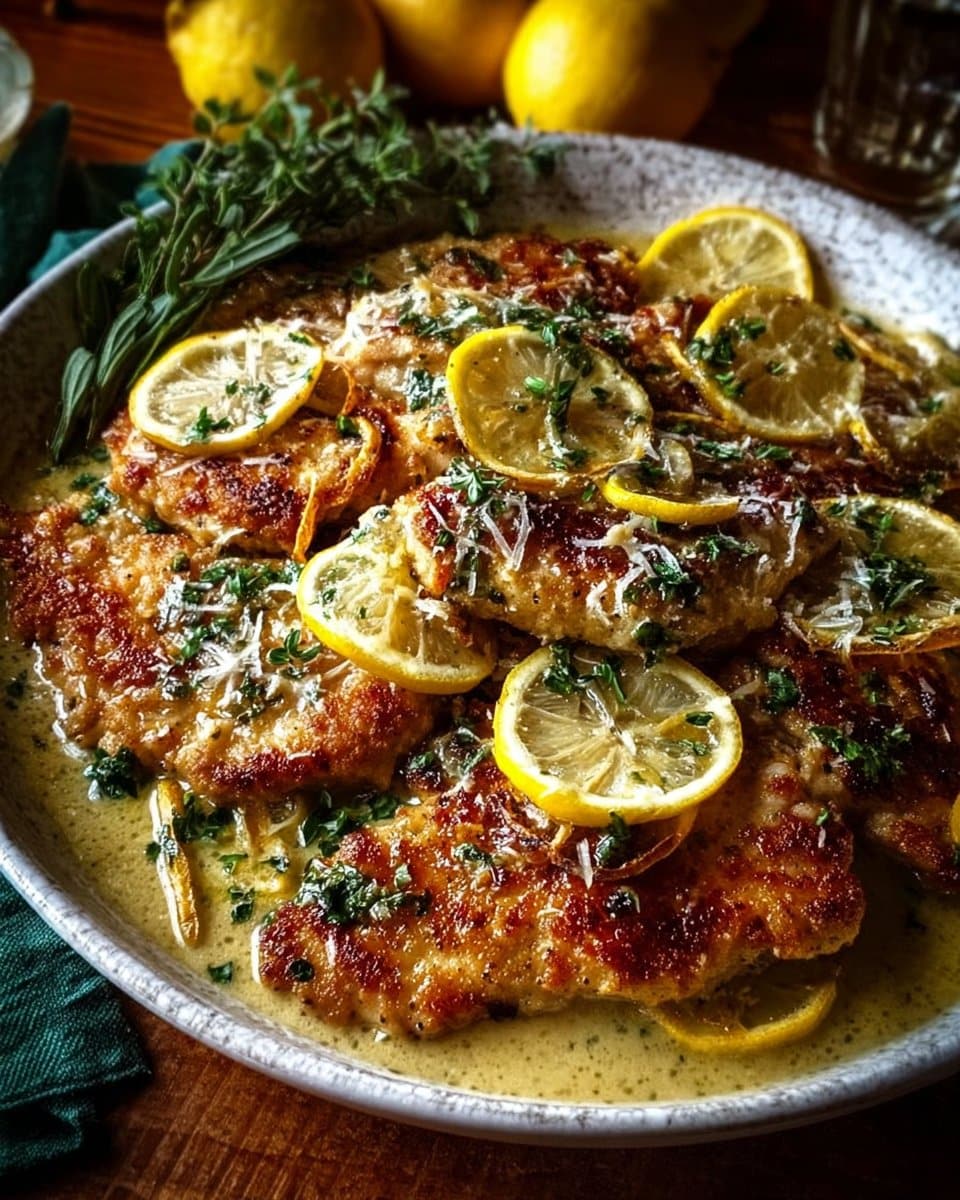
Lemon Chicken Romano is more than a recipe. It is a slow invitation to restore balance at the end of a long day. The bright, clean note of lemon opens the senses and lightens the spirit. The Romano cheese offers savory depth and a touch of comfort. Together they form a pairing that is both restorative and simple, like warm sunshine on a cool morning.
This dish supports nourishment in a few quiet ways. The protein of the chicken helps steady the body, while the acidic lemon aids digestion and brings clarity to the palate. Olive oil gently carries the flavors, adding healthy fats that feel satisfying without heaviness. When I make this for family, I aim for steady, mindful motions, and a rhythm that lets the kitchen breathe. If you prefer broader, heartier bowls on cooler nights, imagine this same care in a creamy stew or cozy soup inspired by ideas like cozy chicken wild rice soup.
There is a nourishing comfort in hands-on cooking. Flattening, dredging, and turning the chicken becomes a small practice of presence. Let the process be gentle. If a task feels hurried, pause and breathe. The goal is warmth on your table and a quieter heart as you eat.
Step by Step: How to Prepare Lemon Chicken Romano
“Cooking is a quiet way of caring for yourself and the ones you love.”
Before you begin, gather all your ingredients and tools. Having everything at hand keeps the flow calm and steady. Lay out the chicken, flour, eggs, Romano cheese, lemon, broth, and wine. Choose a heavy skillet that holds heat evenly and a wooden spoon that will help you lift the flavors from the pan. This dish rewards attention but not haste, so give yourself time.
- Begin by flattening the chicken breasts to an even thickness, about 1/2 inch, using a meat mallet. This will ensure even cooking.
Take your time and place the chicken between two sheets of plastic wrap or in a resealable bag. Tap gently and steadily. Feel the subtle change as the meat evens out beneath your hands. This step invites calm precision and sets the stage for a uniformly cooked piece of chicken. - Season the chicken breasts with salt and pepper on both sides and set them aside.
Use your hands to press the seasoning in with kindness. Salt amplifies the natural flavor, and pepper adds a soft bite. Let the chicken rest a few minutes so the salt can do its work. This quiet pause helps deepen the flavor. - Prepare the dredge by placing the flour in a shallow dish. In a separate shallow dish, beat the eggs with a fork. In a third dish, mix the grated Romano cheese and lemon zest together.
The lemon zest carries bright oils. Grating it directly into the cheese releases citrus perfume that perfumes the crust. The three-station method keeps things calm and helps the coating adhere evenly. - Dredge each chicken breast first in the flour, shaking off any excess. Next, dip it into the beaten eggs, allowing any excess to drip off. Finally, coat it with the cheese and lemon zest mixture, pressing gently so the mixture adheres well.
Move slowly and methodically. Press the cheese mixture into the surface so it forms a light, even crust. The gentle pressure helps the coating hold together during the sear. - In a large skillet, heat the olive oil over medium-high heat. Once the oil is hot, add the coated chicken breasts. Cook for about 4-5 minutes on each side until golden brown and fully cooked through. Transfer the cooked chicken to a plate and keep warm.
Listen for the soft sizzle when the chicken meets the oil. A golden crust forms when the oil is at the right temperature. If the pan cools too much, the crust will not develop. If it smokes, reduce the heat and let it settle. - In the same skillet, reduce the heat to medium and add the lemon juice, chicken broth, and white wine. Scrape any browned bits from the bottom of the pan with a wooden spoon. Let the mixture simmer for about 2-3 minutes until it reduces slightly.
As the sauce comes together, breathe in the bright steam of lemon and wine. Stir slowly until everything feels balanced. The browned bits dissolve into the liquid and become an honest base for the sauce. - Return the chicken breasts to the skillet, coating them with the sauce. Allow them to heat through for another 1-2 minutes, turning them once.
Let the sauce climb onto the crust and envelop each piece. Keep a gentle, steady heat so the chicken rewarms without drying. This moment blends the textures and ties the flavors to the meat. - Transfer the chicken to serving plates and spoon the sauce over each piece. Garnish with chopped parsley and lemon slices.
Serve with quiet pride. Garnish is a small act of generosity. The chopped parsley adds freshness and color, and the lemon slice gives an invitation to brighten each bite.
Each step is simple and grounded. Take your time and breathe as you move through them. If you need a pause, set the timer and step away for a minute. The meal will wait, and your presence will make it better.
Wholesome Ingredients You’ll Need for Lemon Chicken Romano
4 boneless, skinless chicken breasts
1 cup all-purpose flour
2 large eggs
1/3 cup grated Romano cheese
1 tablespoon lemon zest
1/4 cup fresh lemon juice
1/2 cup chicken broth
1/4 cup dry white wine
1/4 cup olive oil
Salt and pepper to taste
1/4 cup fresh parsley, chopped
4 lemon slices for garnish
Use fresh herbs if you can. They carry gentle energy and lift the whole dish. Fresh lemon will always offer a brighter, more layered flavor than bottled juice. If you are keeping things simple, choose a good quality dry white wine you enjoy drinking, as its character will show in the sauce.
If you ever wonder about swaps, try small shifts that maintain the intention of the dish. A little extra chicken broth can replace some wine if you prefer a lower alcohol option. If you want a heartier crust, substitute half the flour with panko breadcrumbs for more crunch. If the world feels heavy and warming foods are needed, this recipe is flexible and forgiving. And if you are ever curious about other comforting chicken dishes that use similar pantry staples, the feeltherecipes collection includes comforting ideas like chicken enchiladas with creamy white sauce that carry similar nurturing flavors.
Step-by-Step How to Prepare Lemon Chicken Romano
Prepare with calm.
Gather, measure, and set your ingredients in small bowls.
Warm the skillet and let your kitchen find a steady rhythm.
- Begin by flattening the chicken breasts to an even thickness, about 1/2 inch, using a meat mallet. This will ensure even cooking.
Lay the chicken on a gentle surface and take a slow, steady motion with the mallet. The evenness will give you confidence when the chicken sears and cooks through. - Season the chicken breasts with salt and pepper on both sides and set them aside.
Press the seasoning in with intention. Even small acts of seasoning make the flavors feel whole and well thought out. - Prepare the dredge by placing the flour in a shallow dish. In a separate shallow dish, beat the eggs with a fork. In a third dish, mix the grated Romano cheese and lemon zest together.
Keep your stations clean. The separation makes the process feel meditative and clear. - Dredge each chicken breast first in the flour, shaking off any excess. Next, dip it into the beaten eggs, allowing any excess to drip off. Finally, coat it with the cheese and lemon zest mixture, pressing gently so the mixture adheres well.
The three-step coating becomes a small ritual. The cheese and lemon zest cling like a promise of flavor. - In a large skillet, heat the olive oil over medium-high heat. Once the oil is hot, add the coated chicken breasts. Cook for about 4-5 minutes on each side until golden brown and fully cooked through. Transfer the cooked chicken to a plate and keep warm.
Trust the feel of the pan. When the chicken releases easily, the crust is ready to flip. - In the same skillet, reduce the heat to medium and add the lemon juice, chicken broth, and white wine. Scrape any browned bits from the bottom of the pan with a wooden spoon. Let the mixture simmer for about 2-3 minutes until it reduces slightly.
Stir slowly until everything feels balanced. The sauce should glimmer and smell of citrus and warmth. - Return the chicken breasts to the skillet, coating them with the sauce. Allow them to heat through for another 1-2 minutes, turning them once.
The final warming unites the crust and the sauce. Move with tenderness and patience. - Transfer the chicken to serving plates and spoon the sauce over each piece. Garnish with chopped parsley and lemon slices.
Arrange each plate with care. Small gestures of presentation can turn dinner into a ceremony of comfort. - Sit and breathe. Invite someone you love. Take a slow first bite and notice how the textures and flavors come together.
Eating is also a practice in presence. Let the meal work its gentle magic.
How to Serve Lemon Chicken Romano with Intention
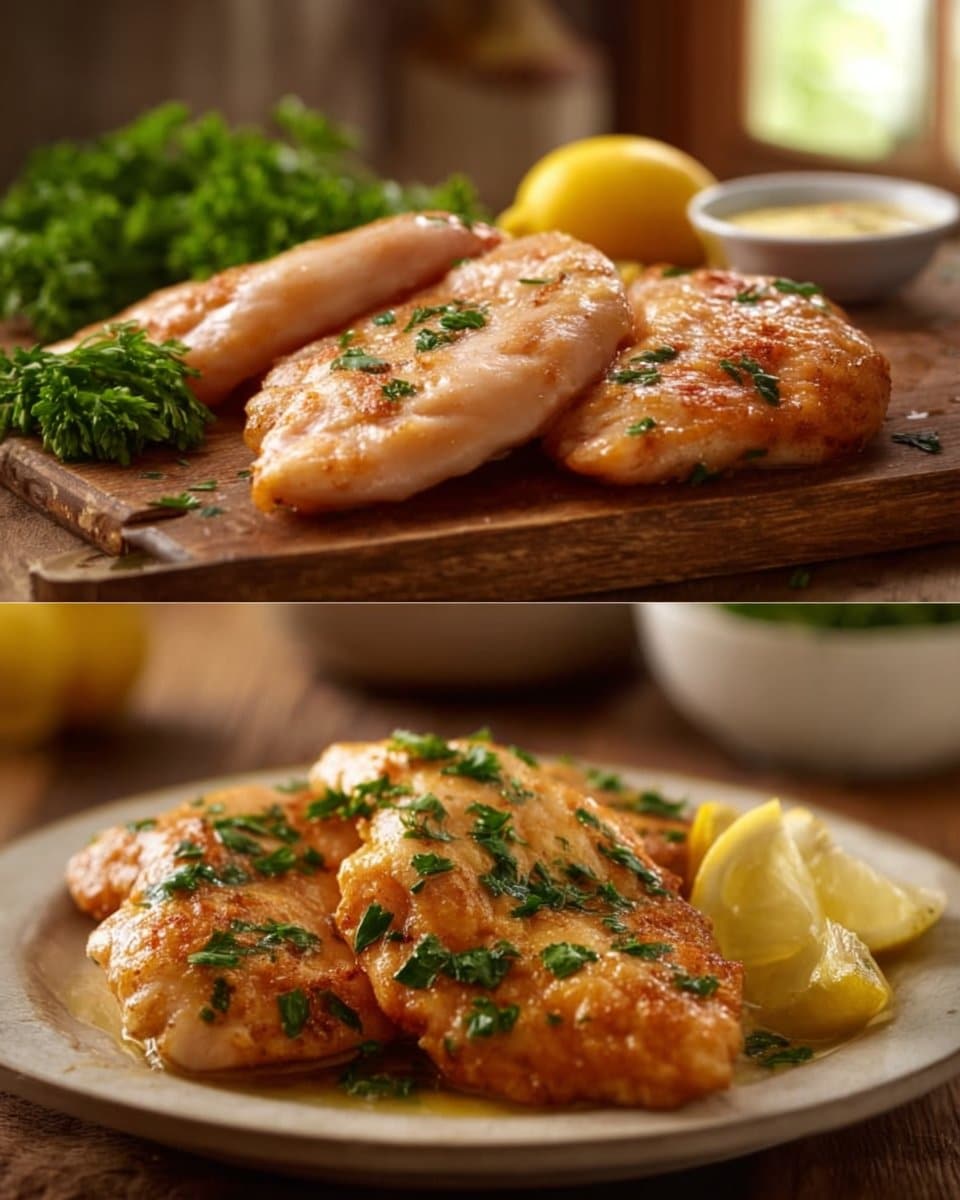
Serving is an act of kindness. When the chicken is warm and the sauce glistens, choose plates that feel familiar and grounding. A shallow dish holds the sauce close to the chicken and lets guests spoon it over gently. Arrange a lemon slice atop each piece and sprinkle parsley where the eye rests.
Balance the plate with a simple side. Steamed green beans or a crisp salad offer a cooling contrast. A warm grain like couscous or rice holds the sauce and invites slow bites. Think about color and texture so each mouthful feels complete. If you would like a heartier accompaniment on a cooler evening, pair the chicken with a bowl of the kind of nourishing soups in this collection, such as recipes inspired by chicken tortilla soup tips.
When you serve, set a small carafe of extra sauce on the table. Let people add more if they wish. Encourage gentle conversation and short moments of silence between bites. This is the time to notice steam, to watch the way lemon catches the light, and to feel thankful for a warm meal.
If you are serving for guests, consider plating in stages. Place the chicken and sauce first, and let sides be passed around family style. The shared movement invites connection and keeps service calm.
How to Store Lemon Chicken Romano the Right Way
Storing with care helps flavors deepen. If you have leftovers, cool the chicken slightly before packing it away. Place the chicken and sauce together in an airtight container so the meat rests in the liquid rather than drying out. This helps the crust soften and the flavors meld.
Refrigerate for up to four days. When you reheat, do so gently. Warm in a low oven at 300 F until warmed through, or reheat slowly on the stovetop in a covered skillet over low heat. Adding a splash of broth or water can help revive the sauce and prevent dryness.
For longer storage, freeze the chicken and sauce in a freezer-safe container for up to three months. Thaw gently overnight in the refrigerator. Reheat as above. Note that the texture of coated crusts can change after freezing and reheating; the focus will be on comfort and flavor rather than crispness.
Flavors often deepen with rest. If you make this a day ahead, keep it in the refrigerator and rewarm slowly. Many home cooks find the dish tastes even more integrated as the lemon and cheese settle into the meat.
Mama Lila’s Helpful Tips
- Use room temperature chicken. Let the breasts sit out for 15 minutes before cooking so they cook more evenly and stay tender. Mama Lila always said that patience in small steps yields more tenderness.
- Lightly press the cheese mixture into the chicken for a better crust. If the coating feels loose, a gentle pat will help it adhere and form that golden edge we all love.
- If white wine is not available, swap in more chicken broth and a teaspoon of apple cider vinegar for brightness. The acid balances the richness and keeps the sauce lively.
- For a gluten-free option, use rice flour or a gluten-free all-purpose blend in place of regular flour. The texture will vary but the comforting flavors remain.
- If you prefer stronger herb notes, add a teaspoon of chopped thyme or oregano to the cheese mixture. Herbs release their aroma as the chicken cooks and lend a quiet complexity.
These tips come from years of cooking in a kitchen where everyone returned for seconds. Small shifts make big differences in comfort. When I teach a friend, I always remind them to be kind to themselves if something does not go exactly as planned. Food is about time together, not perfection.
Peaceful Variations to Explore
- Herb-forward version. Add chopped basil and tarragon to the parsley garnish for a bright herbal finish. The garden flavors will feel like a walk outside.
- Lemon-thyme slow roast. Instead of searing, gently braise the chicken in lemon juice, broth, and a few sprigs of thyme, then finish in the oven to let the flavors deepen for a longer, gentler meal.
- Parmesan swap. If you do not have Romano, grated Parmesan will offer a familiar, buttery flavor. Combine it with a touch more lemon zest to keep the brightness.
- Panko crunch. Replace half of the flour with panko breadcrumbs for a lighter, airier crust. The texture will please anyone who loves a crisp edge.
- One-pan weeknight option. Use boneless thighs instead of breasts and cook a larger batch. Serve over warm rice to catch all the sauce. This method makes for an easy, soulful weeknight dinner.
Each variation asks you to remain present and notice how a small change can translate into a new kind of comfort.

Lemon Chicken Romano
Ingredients
Method
- Gather all ingredients and tools to keep your workspace organized.
- Flatten chicken breasts to about 1/2 inch thickness with a meat mallet, using plastic wrap or a resealable bag.
- Season chicken with salt and pepper on both sides and set aside.
- Prepare dredge stations by placing flour in one dish, beaten eggs in a second, and a mix of grated Romano cheese and lemon zest in a third.
- Dredge each chicken breast in flour, then dip in beaten eggs, and finally coat well with the cheese and lemon zest mixture.
- Heat olive oil in a large skillet over medium-high heat.
- Cook chicken for about 4-5 minutes on each side until golden brown and cooked through; transfer to a plate.
- In the same skillet, reduce the heat to medium, add lemon juice, chicken broth, and white wine. Scrape up browned bits and let simmer for 2-3 minutes.
- Return chicken to the skillet and coat with the sauce, heating for another 1-2 minutes.
- Transfer the chicken to serving plates, spoon over sauce, and garnish with chopped parsley and lemon slices.
Notes
Common Questions About Lemon Chicken Romano
Can I make this ahead of time?
Yes, and it often tastes even more comforting the next day as the flavors blend. Store in the refrigerator and reheat gently so the sauce remains silky.
Is there a dairy-free option?
You can skip the Romano and use a light dusting of seasoned flour with extra lemon zest. The dish will change character, but it will still be nourishing.
How do I know when the chicken is fully cooked?
The safest method is to use an instant-read thermometer. The internal temperature should reach 165 F in the thickest part. If you do not have a thermometer, cut into the thickest part and ensure the juices run clear and the meat is opaque.
Can I use chicken thighs instead of breasts?
Yes. Thighs are forgiving and stay moist. They may need slightly longer cooking time. Keep an eye on the crust and lower the heat if it browns too quickly.
What can I serve with this to make it a full meal?
Light greens, steamed vegetables, or simple grains pair beautifully. Think of dishes that soak up the sauce and offer textural contrast. If you enjoy warm, brothy sides, the soothing ideas behind recipes like cozy chicken wild rice soup can round out a nourishing evening.
These answers come from a place of gentle practice and trust. There is no single right way. Take your time and adjust to what feels best for you and those you feed.
Final Reflection
Cooking is a small, steady act of care. Lemon Chicken Romano guides you through calm steps and honest flavors, reminding you that nourishment can be simple and soulful. Let the process hold you. Notice the steam, the perfume of lemon, the warmth of the sauce as it pools around each piece of chicken. Invite someone to share, or serve it to yourself with a sense of gratitude. These meals are the quiet anchors of everyday life.
I hope this Lemon Chicken Romano brings you the same peace and warmth it brings to my home each time I cook it. May your kitchen be slow and your heart steady as you prepare it.
Conclusion
If you would like a different take or additional techniques to explore, these external resources offer helpful variations and detailed notes: Lemon Chicken Romano – Cooking Classy and Lemon Chicken Romano Recipe. These pages can provide extra inspiration as you make this dish your own.