

There’s something warm and steady about a pot of Beef Stew on the stove. The scent of browned meat and simmering broth makes the house feel like a hug, and honest food like this has a way of slowing you down in the best way. Clara is right beside you we will walk through each step, listen for the sizzle, and make a stew that comforts everyone at the table.
If you like the ease of slow-cooking, you might also enjoy a crockpot version I use on busy days for a set-and-forget weeknight meal.
Why You’ll Love Making This Beef Stew or The Story Behind My Beef Stew
This Beef Stew is the kind of recipe that feels impressive and is actually simple. It is forgiving, which means small mistakes usually do not derail the whole dish. That makes it perfect for beginner cooks and busy cooks alike. You get deep, savory flavor from simple steps: browning the beef, building flavor with aromatics, and slow-simmering until everything is tender.
I learned this stew in a small kitchen where the pot sat on the stove for hours while we talked and planned our day. The long, low simmer turns everyday ingredients into something mellow and rich. You can tweak it, make it heartier, or make it lighter. Fresh herbs gently lift the flavors, and a spoonful of tomato paste gives the broth a round, satisfying finish.
If you enjoy learning about cuts of meat and how they behave in long-cooked dishes, this short guide may help you choose the right cut and understand why slow cooking works so well. Read more if you are curious about how cuts differ in simple, friendly terms.
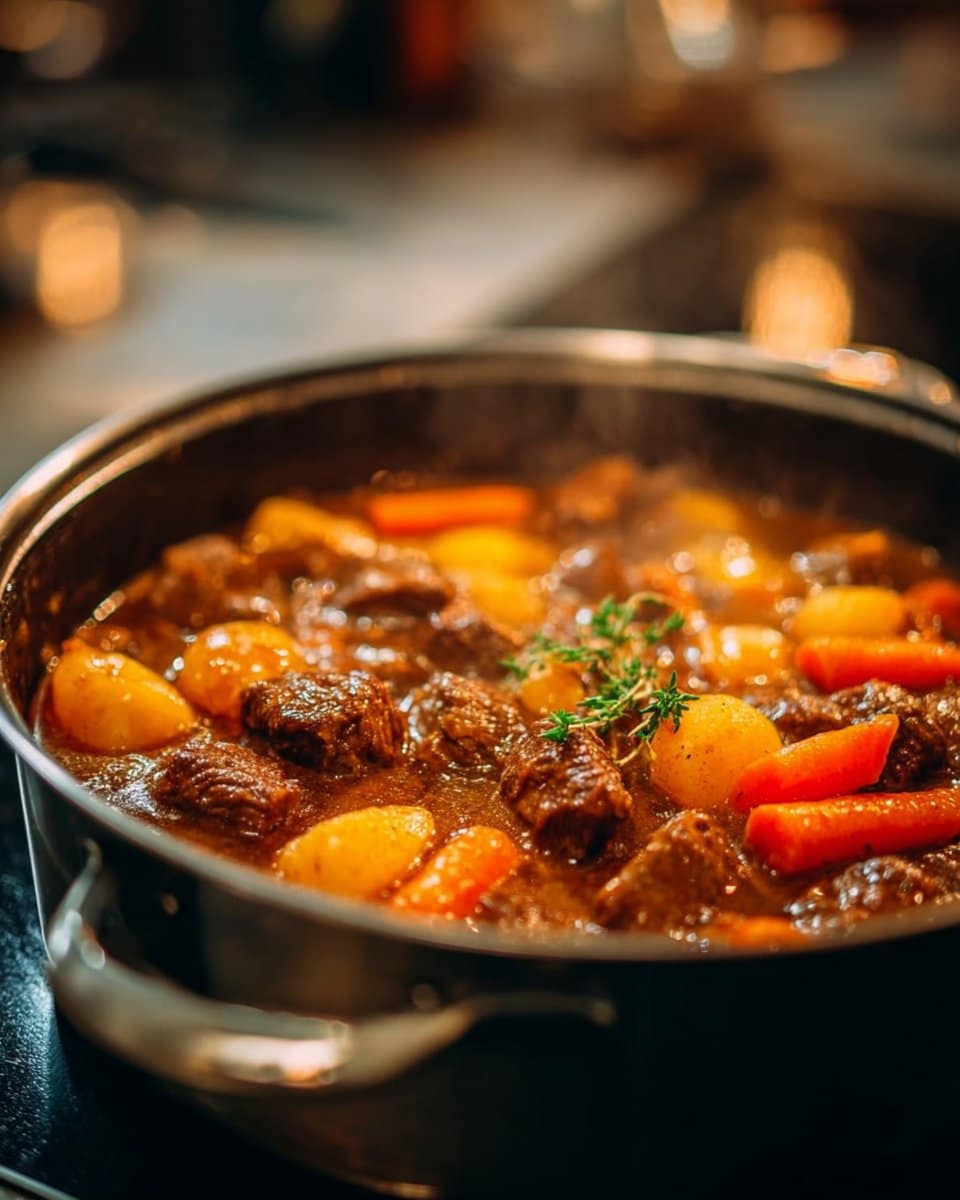
Step-by-Step: How to Make Beef Stew or Your Kitchen Game Plan
“Cooking isn’t about perfection. It’s about enjoying every delicious step.”
Overview: This stew is built in stages. You brown the meat to add richness, soften the aromatics to release their flavor, stir in tomato paste for body, add broth and herbs, then simmer slowly until everything is tender. Finally, you add the vegetables and cook until they are just right. The list below is short so you know what comes next. Then we will expand on each step so you feel confident and calm in the kitchen.
Before you begin, gather ingredients and a large, heavy pot with a tight-fitting lid. A Dutch oven is ideal, but any heavy-bottomed pot will work. Give yourself about 15 minutes to prep and then set aside a few hours for gentle simmering. The hands-on time is short; the rest is patience and good smells.
Ingredients You’ll Need for Beef Stew
2 lbs beef chuck, cut into bite-sized pieces – choose well-marbled chuck for the best tenderness.
4 cups beef broth – use low-sodium if you want more control over salt.
4 medium potatoes, peeled and diced – Yukon Gold or russet work well; Yukon Gold stays creamier.
3 carrots, sliced – thick coins or diagonal slices for visual appeal.
1 onion, chopped – yellow onion adds a sweet, savory base.
3 cloves garlic, minced – add near the end of the aromatics so garlic does not burn.
2 tablespoons tomato paste – it brings body and a subtle sweetness.
1 teaspoon dried thyme – fresh is lovely if you have it.
1 teaspoon dried rosemary – crush lightly between fingers before adding to release oils.
Salt and pepper to taste – start modest and add later.
2 tablespoons olive oil – or use real butter for a richer finish.
Optional bay leaf – adds an extra savory note.
Optional splash of red wine – for depth, add before broth and deglaze the pan.
Optional cornstarch slurry – 1 tablespoon cornstarch mixed with 1 tablespoon cold water to thicken simmering broth if you like a gravy texture.
If you prefer fresh herbs, use a sprig of thyme and a sprig of rosemary tied together. Fresh herbs can change the final flavor in a bright way, especially added near the end.
Directions: Cooking with Confidence
- Heat olive oil in a large pot over medium heat. Brown the beef on all sides.
- Add onions and garlic, cooking until softened.
- Stir in the tomato paste, then add the beef broth, thyme, rosemary, salt, and pepper.
- Bring to a boil, then reduce heat to low and simmer for 1 hour.
- Add potatoes and carrots, cover, and cook for an additional 2-3 hours or until the beef is tender and vegetables are cooked through.
- Adjust seasoning if necessary before serving.
Now let’s expand on those steps so you know what to listen for and how to adjust things if necessary.
Step 1: Brown the beef. Heat the oil until it shimmers. Add the beef in batches so the pieces do not crowd the pan. You want a golden crust, not steamed meat. Crisp edges mean flavor. When the pieces are nicely browned, remove them to a plate and continue with the next batch. If the bottom of the pot gets dark fond, that is perfect. Those browned bits are where much of the final taste will come from.
Step 2: Build the flavor with aromatics. Add the chopped onion to the pot and turn the heat down just a touch. Cook until the onion is translucent and starting to soften. Add the minced garlic and cook for 30 to 60 seconds until fragrant. Be careful not to burn the garlic; it will turn bitter.
Step 3: Add tomato paste and deglaze. Push the onions to the side, stir the tomato paste in, and let it toast for a minute. Then add a little broth or, if you like, a splash of red wine to deglaze. Use a wooden spoon to scrape up the browned bits stuck to the pot. Return the browned beef to the pot.
Step 4: Add the broth and herbs. Pour in the beef broth so the meat is mostly covered. Add thyme, rosemary, bay leaf if using, and a few grinds of black pepper. Taste the broth after it simmers for a while and adjust salt; it is easier to add salt later than to fix over-salting.
Step 5: Simmer low and slow. Bring everything to a boil, then reduce the heat until the pot is gently simmering. Cover and let it go for about an hour. This first simmer helps break down connective tissue in the meat.
Step 6: Add the vegetables. Add the diced potatoes and sliced carrots. Cover and continue to simmer gently for 2 to 3 hours until the meat can be cut with a spoon and the vegetables are tender but not falling apart. If the liquid reduces too much, add a bit more broth or water.
Finishing touch: If you like a thicker stew, make a cornstarch slurry and whisk it into a cup of hot stew, or mash a few potato pieces against the side of the pot to naturally thicken the broth. Taste and add salt and pepper as needed. A little splash of vinegar or lemon juice brightens the final dish.
Cooking cues to trust: Listen for a steady, gentle simmer. Watch for the beef to become fork-tender and the potatoes to be soft but not grainy. Smell the pot as it cooks; you should notice a warm, deep aroma. If the stew tastes flat toward the end, it likely needs salt. If it tastes too sharp or acidic, a pinch of sugar or a pat of butter can balance it.
How to Serve Beef Stew and Make It Shine
Serve this Beef Stew in deep bowls so each spoonful has meat, broth, and tender vegetable. A sprinkle of chopped fresh parsley or a little thyme on top adds a fresh note and color contrast. If you like a richer finish, a small pat of butter stirred in just before serving makes the broth velvety.
Pair the stew with crusty bread or warm rolls. The bread is great for mopping up the broth. For a lighter side, a simple green salad with a tangy vinaigrette cuts through the richness. If you want a country-style meal, serve it over buttered egg noodles or creamy mashed potatoes for a classic feel.
If you want to present the stew a bit more formally, ladle it into warmed bowls, arrange a few larger pieces of beef on top, and add a sprig of thyme as a garnish. That small touch makes the dish feel cared for without extra effort.
How to Store Beef Stew for Later
Storing stew is easy and keeps well. Let it cool to near room temperature before putting it in the fridge, but do not leave it sitting out for more than two hours.
Refrigerator: Transfer to an airtight container and store up to 3 to 4 days. The flavors often deepen after a day or two.
Freezer: For longer storage, place cooled stew in freezer-safe containers or heavy-duty freezer bags. Leave some room for expansion and freeze for up to 3 months. Thaw in the refrigerator overnight before reheating.
Reheating: Reheat gently on the stovetop over medium-low heat until warmed through. If the stew seems thick after cooling, add a splash of broth or water and stir until it loosens. Microwave reheating works in a pinch; use short intervals and stir between them to heat evenly.
Tip for leftovers: When reheating, add a fresh squeeze of lemon or a splash of vinegar to brighten the broth. A quick handful of fresh parsley chopped and added just before serving adds a pleasant herbal lift.
If you are planning to make this ahead for a party, you can make the stew a day ahead and reheat it slowly. It tastes even better the next day. And if you have a busy schedule, check out this page for crockpot solutions to make stew with minimal hands-on time that still delivers great flavor.
Clara’s Tips for Success
- Brown in batches. Overcrowding the pot lowers the temperature and prevents good browning.
- Keep the simmer gentle. A vigorous boil makes meat tough and vegetables fall apart. Low, patient heat is your friend.
- Taste and adjust. Salt late in the simmering process and add acid at the end if the flavor needs brightening.
- Use a heavy pot. A Dutch oven distributes heat evenly and keeps the stew from scorching.
- Let it rest. If you can, make it a day ahead the flavors marry beautifully after a night in the fridge.
Quick fixes: If your stew is thin, mash some potatoes into the broth or add a cornstarch slurry. If it is too salty, add peeled, raw potato pieces while simmering for 15 minutes they absorb some salt then remove them if you like. If the meat is not tender, keep simmering; tougher connective tissue just needs more time.
Simple Variations to Try
Classic Irish-style: Add a few cubes of turnip and a splash of Guinness for a deep, malty note. Finish with chopped parsley.
Tomato-forward: Increase tomato paste to 3 tablespoons and add a can of diced tomatoes for a brighter, tomato-rich stew.
Herb-forward: Use fresh thyme and rosemary tied in a bundle and remove before serving. Add a bay leaf for extra depth.
Spicy twist: Add a pinch of smoked paprika and a small chopped chipotle in adobo for warmth and smoke.
Creamy finish: Stir in a half cup of crème fraîche or sour cream at the very end and warm through for a silky texture.
Vegetarian-friendly swap: Replace beef with hearty mushrooms and use vegetable broth. Brown the mushrooms well for savory flavor.
Each variation uses the same basic technique: brown, soften, deglaze, simmer, and finish. That structure keeps the recipe approachable and adaptable.

Beef Stew
Ingredients
Method
- Heat olive oil in a large pot over medium heat. Brown the beef on all sides.
- Add onions and garlic, cooking until softened.
- Stir in the tomato paste, then add the beef broth, thyme, rosemary, salt, and pepper.
- Bring to a boil, then reduce heat to low and simmer for 1 hour.
- Add potatoes and carrots, cover, and cook for an additional 2-3 hours or until the beef is tender and vegetables are cooked through.
- Adjust seasoning if necessary before serving.
Nutrition
Notes
Tried this recipe?
Let us know how it was!FAQs About Beef Stew
Can I make this ahead of time?
Yes. This recipe keeps beautifully. Make it a day ahead to let the flavors deepen and then reheat gently on the stove. Leftovers are often better than the first night.
What cut of beef is best?
Beef chuck is ideal because it has marbling and connective tissue that melt into tenderness during slow cooking. Avoid lean cuts which can become dry.
How can I thicken the stew?
Mash a few potato chunks against the side of the pot or stir in a cornstarch slurry made from 1 tablespoon cornstarch mixed with 1 tablespoon cold water. Add it slowly while simmering until you reach the desired thickness.
Can I use a slow cooker?
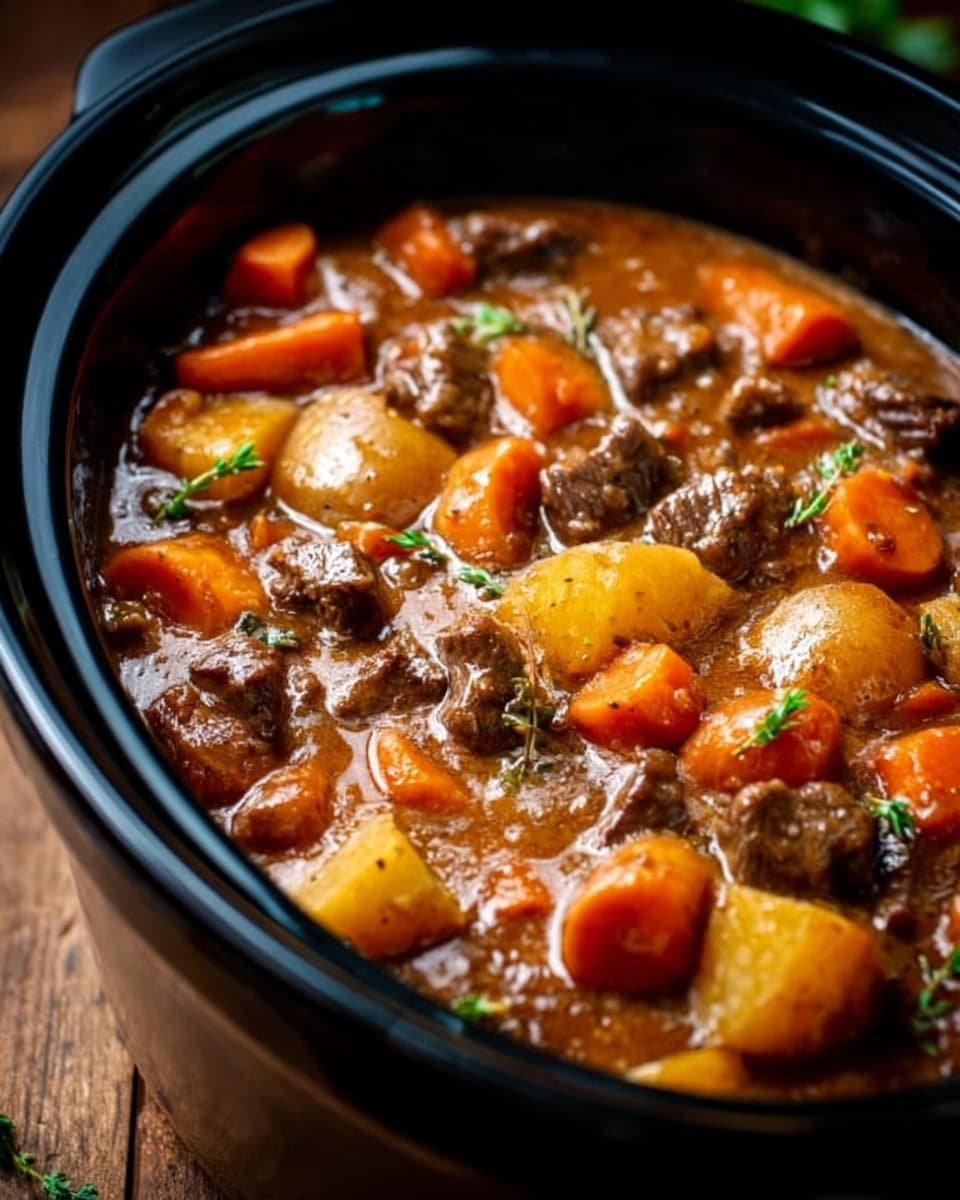
Yes. After browning the beef and softening the onions, transfer everything to the slow cooker and cook on low for 6 to 8 hours. If you want a thicker sauce, thicken at the end on the stove with a slurry.
Why is my meat still tough?
Toughness usually means it needs more time. Cut into a piece the meat should feel tender and easy to pull apart. If not, simmer longer at a gentle heat. High heat short-circuits the melting of connective tissues.
Is there a good wine pairing?
A medium-bodied red such as a Merlot or a Cabernet Franc pairs nicely. The wine should mirror the stew’s depth without overpowering it.
How do I prevent vegetables from turning to mush?
Add vegetables in two stages if you want some with more bite. Root vegetables like carrots and potatoes can handle long cooking, but if you want them firmer add them later in the simmer.
Why add tomato paste?
Tomato paste adds umami and deepens the broth’s color and flavor. It is concentrated tomato that gives the stew gentle sweetness and body.
Troubleshooting Common Concerns
If the stew tastes flat: Check for salt first. If it is not salty enough, add a teaspoon at a time until it brightens. A splash of vinegar or a squeeze of lemon can lift the flavors at the end.
If the stew is too thin: Simmer uncovered for a bit to reduce the broth, or add a slurry of cornstarch. Mashing a few potato chunks into the broth naturally thickens it.
If meat is dry: That usually happens with the wrong cut or too-short simmer times. Choose chuck and simmer low and slow. If pieces are already dry, shredded and mixed back into the broth can help distribute moisture.
If the stew is too rich: Serve it with a bright side salad or a vinegar-based slaw to cut the richness. A squeeze of lemon on the stew can also refresh the palate.
Cooking is practice. Each pot of stew teaches you a little more about your stove, your ingredients, and what you and your family love. Trust your senses. The smell, the sight of the simmer, the feel of a fork in the meat those are your best guides.
Final Encouragement or Closing Note
I hope this Beef Stew helps you discover how simple and rewarding homemade cooking can be. Take your time, taste as you go, and remember that small mistakes are part of learning. You have everything you need to make a dinner that warms the heart and fills the table. You’ve got this.
Conclusion
If you want another take on a classic that focuses on simple, reliable steps, check out this Best Beef Stew Recipe for inspiration and helpful techniques. For a slightly different method and extra serving ideas, this Beef Stew Recipe {Homemade & Flavorful} – Spend With Pennies is a great companion to compare notes and pick up new tricks.
