
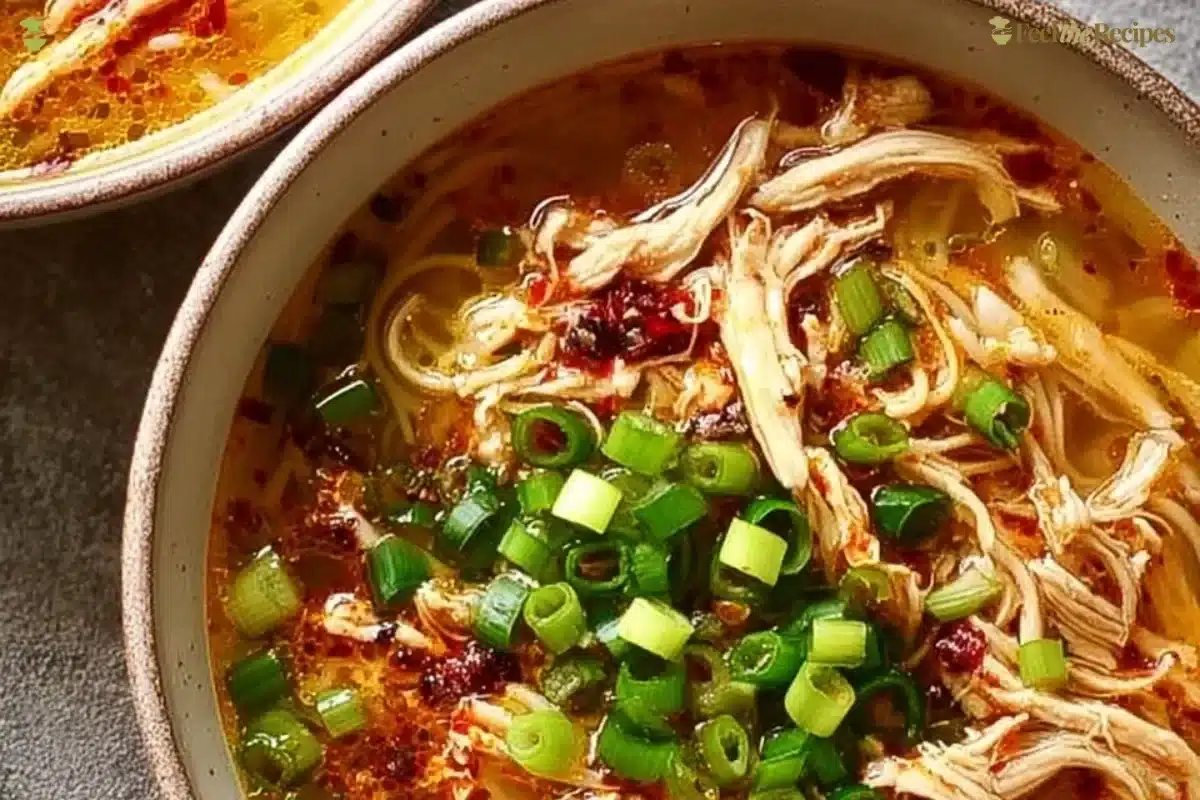
There’s something special about Classic Ginger Garlic Chicken Noodle Soup the way its warm steam curls up and the scent of garlic and ginger fills the kitchen makes everyone slow down and smile. It feels like a gentle hug in a bowl, something both simple and quietly confident, and it’s one of those recipes you’ll return to when you want comfort and clarity at the same time.
If you enjoy a straight-up, honest bowl of goodness, you might also enjoy how this recipe compares with a more traditional version like classic chicken noodle soup, but this ginger and garlic twist brings a bright, soothing lift that feels modern and familiar at once.
Why You’ll Love Making This Classic Ginger Garlic Chicken Noodle Soup
This soup is reliable, fast, and forgiving. It works whether you’re making a quick weeknight meal, soothing a sore throat, or feeding a small crowd. The ginger brightens the broth, the garlic deepens the savory notes, and the noodles make it satisfyingly filling.
It’s also flexible. Use leftover roast chicken, pick a different noodle shape, or make it more brothy or more noodle-forward. The technique is gentle and approachable, so even if you’re new to soups you’ll feel confident following along.
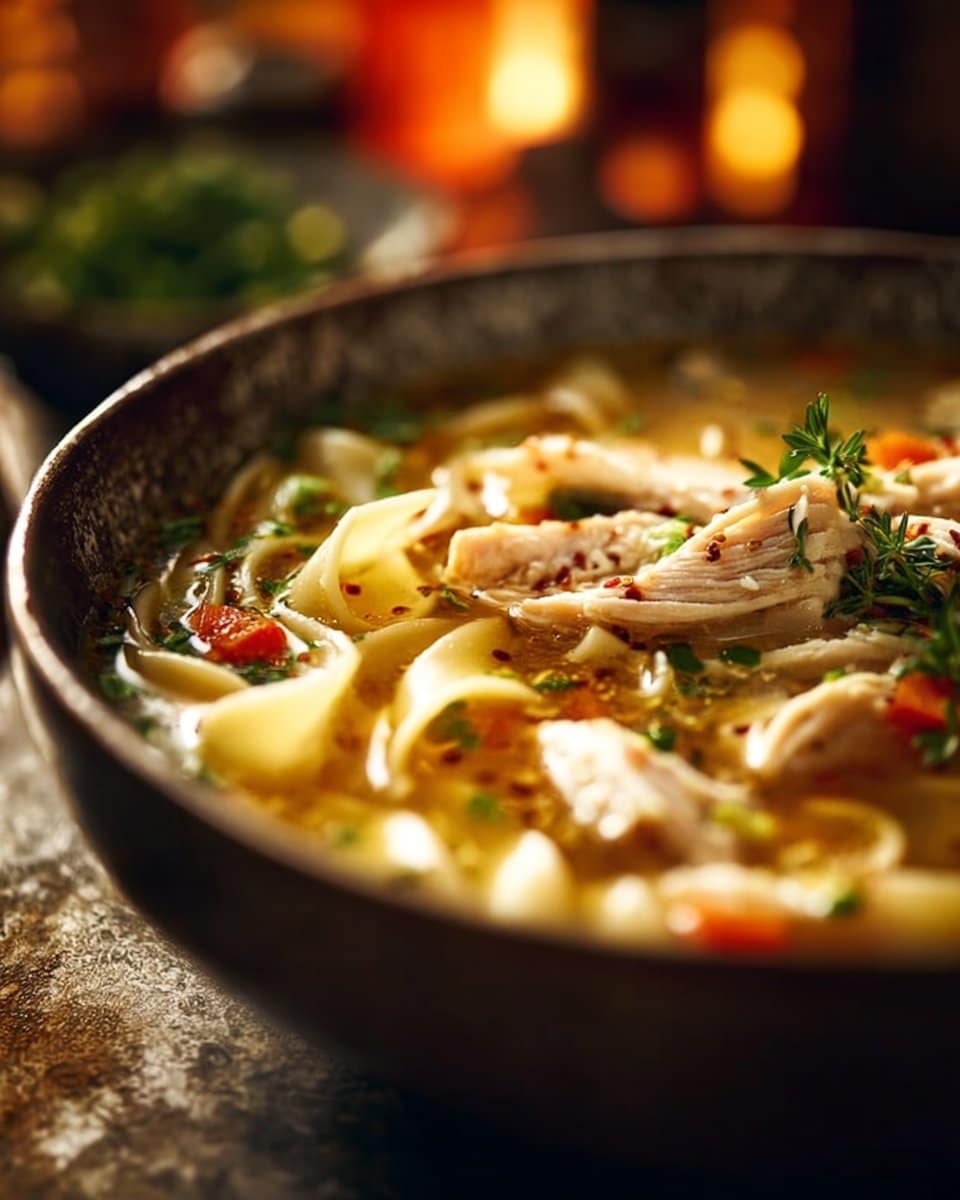
Step-by-Step: How to Make Classic Ginger Garlic Chicken Noodle Soup
“Cooking isn’t about perfection. It’s about enjoying every delicious step.”
Before we start, gather your tools: a large heavy-bottomed pot or Dutch oven, a wooden spoon, a cutting board, a sharp knife, a box grater or microplane for the ginger, and a ladle. Having everything within reach keeps the cooking flow smooth and calm.
A quick overview: you’ll soften aromatics, build a clear but flavorful broth, simmer the vegetables until tender, add cooked chicken and noodles, and finish with a bright garnish. If you want to compare technique notes, look at this simple chicken noodle soup guide that shares related ideas for timing and texture.
Now we’ll move through the exact numbered directions, then I’ll add small tips and cues so you know how it should look and feel at every stage.
- In a large pot, heat the vegetable oil over medium heat.
- Add the chopped onion, minced garlic, and grated ginger; sauté until the onion is translucent.
- Pour in the chicken broth and bring to a simmer.
- Add the sliced carrots and chopped celery; cook until softened.
- Stir in the cooked chicken and cooked egg noodles.
- Season with salt and pepper to taste.
- Serve hot, garnished with chopped green onions.
Those seven steps are the backbone. Now a little more guidance for each step so you can sense what you’re doing and why.
Step 1: Heat the oil until it shimmers just a bit. You want it hot enough to sizzle the aromatics but not so hot that the garlic browns too quickly. Medium heat is steady and forgiving.
Step 2: When you add the onion, garlic, and ginger you’ll hear a gentle sizzle. Stir often. The onion goes translucent in about 5 to 7 minutes. The garlic should smell fragrant and sweet but not bitter. If the garlic starts browning, lower the heat.
Step 3: Pour in the chicken broth and bring it to a soft simmer. If you have homemade broth, use it the flavor depth is noticeable. Store-bought works well too. Once the liquid simmers, you’ll see little bubbles along the edge and a steady, quiet steam. That’s when the vegetables will cook through evenly.
Step 4: Add the carrots and celery. Simmering these in the broth lets them release sweetness and build body. For tender-but-not-mushy carrots, cook 8 to 12 minutes depending on thickness. Taste one to check. The celery adds texture and a bit of bright herbaceousness once softened.
Step 5: Stir in the chicken and cooked noodles. If your chicken is cold from the fridge, let it warm in the pot until it’s heated through. If the noodles are fresh or already cooked, add them at the end so they don’t overcook and go mushy.
Step 6: Season with salt and pepper last. Broth concentrates as it simmers, so taste before you salt. Remember, you can always add more but you can’t take it away. Pepper adds a gentle counterpoint to the ginger’s warmth.
Step 7: Serve with chopped green onions. They add a clean, fresh finish that brightens each spoonful. A squeeze of lime or a splash of soy sauce are optional in case you want more acidity or umami.
Keep your strokes deliberate and calm. The soup rewards gentle attention, not speed.
Ingredients You’ll Need for Classic Ginger Garlic Chicken Noodle Soup
2 tablespoons vegetable oil use a neutral oil so the aromatics shine.
1 onion, chopped yellow or sweet onion works well.
3 cloves garlic, minced press or finely dice for even flavor.
1 inch fresh ginger, grated use a microplane for bright, fresh ginger.
4 cups chicken broth homemade or store-bought, low-sodium lets you control seasoning.
2 cups cooked chicken, shredded leftover roast or poached chicken both work.
2 cups egg noodles large or medium egg noodles give a comforting bite.
2 carrots, sliced cut on the bias for a nicer mouthfeel.
1 celery stalk, chopped trims the broth’s sweetness.
Salt and pepper to taste add gently and recheck as the soup reduces.
Chopped green onions for garnish the last touch that makes it feel finished.
If you’re looking for variations that change the cooking method, you might like ideas inspired by a slow-cooker version that trades hands-on time for unattended warmth. Fresh herbs make a big difference, so if you have parsley or cilantro on hand, they are lovely at the end.
Preparing the ingredients before you begin is one of the best ways to keep cooking calm. Chop the vegetables, shred the chicken, and measure the broth out. Mise en place helps you focus and enjoy the process.
Directions: Cooking with Confidence
- In a large pot, heat the vegetable oil over medium heat.
- Add the chopped onion, minced garlic, and grated ginger; sauté until the onion is translucent.
- Pour in the chicken broth and bring to a simmer.
- Add the sliced carrots and chopped celery; cook until softened.
- Stir in the cooked chicken and cooked egg noodles.
- Season with salt and pepper to taste.
- Serve hot, garnished with chopped green onions.
Those numbered steps match the simple sequence you can follow on busy nights. Below are a few clarifications to make each numbered instruction feel like a clear, dependable signal.
- When heating the oil, you’ll see it loosen across the bottom of the pot. That’s your cue to add the onion. The oil should not be smoking.
- For the aromatics, scrape the bottom of the pot with your spoon so nothing clings and burns. The onion is translucent when it appears glossy and you can see through the pieces.
- Bringing the broth to a simmer rather than a full boil keeps the chicken tender and the broth clear. A simmer is subtle: small, gentle bubbles that rise steadily.
- For the vegetables, cut them evenly so they cook at the same rate. If you like a softer carrot, cut them thinner or give them a head start in the pot.
- Add the chicken and noodles at the end. If your chicken is raw, poach it in the broth first until the internal temperature reaches 165 F, then shred it and return it to the pot. If it’s already cooked, just warm it through.
- Taste before you serve. A final pinch of salt or a grind of pepper might be all it needs.
If you ever worry about overcooking noodles, cook them separately to your desired texture and add them to individual bowls, then ladle hot broth over the top. That keeps noodles from soaking up all the broth if you plan to store leftovers.
How to Serve Classic Ginger Garlic Chicken Noodle Soup and Make It Shine
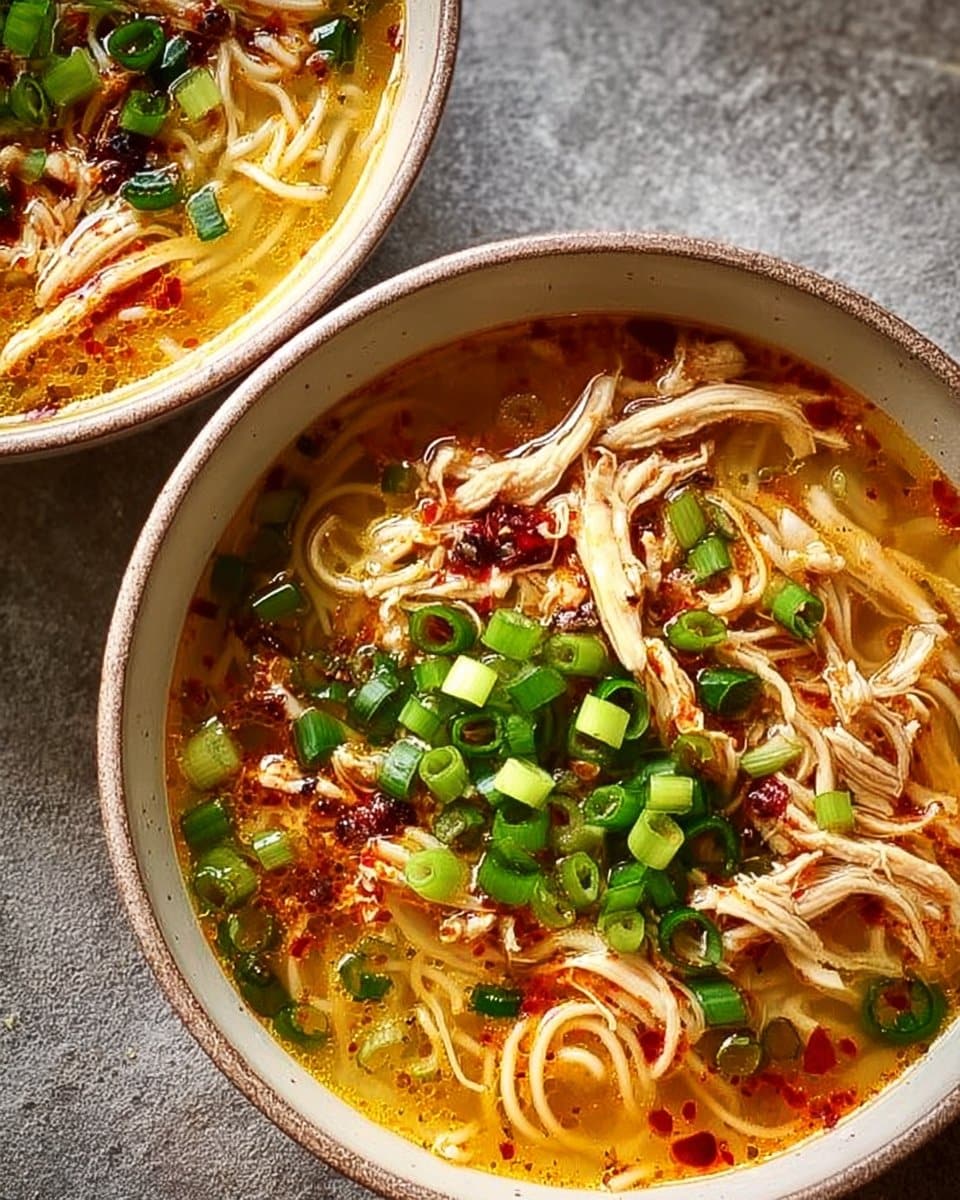
This soup is homely in the best way. Serve it in deep bowls so each spoonful captures broth, noodles, and chicken together. Add a scattering of chopped green onions for freshness and thinly sliced chilies if you like heat.
Pair it with a crisp salad or simply some crusty bread to soak up the broth. For a lighter meal, serve it with steamed greens or a side of roasted vegetables.
For a weeknight dinner, set out bowls and a small dish of extra garnishes: lime wedges, soy sauce, crushed red pepper, and extra green onions. Everyone can personalize their bowl.
If you want to be a little fancier, ladle the soup into warmed bowls and finish with a few drops of toasted sesame oil. The aroma will deepen and make the soup feel restaurant-quality without extra work.
How to Store Classic Ginger Garlic Chicken Noodle Soup for Later
Cool the soup uncovered until it stops steaming, then transfer to airtight containers. If you plan to eat it within two days, refrigeration is fine. For longer storage, freeze the soup in meal-sized portions.
When refrigerating, place a piece of plastic wrap directly on the surface of the soup to reduce oxidation and keep the top from drying out. It will keep in the fridge for up to 3 days.
For freezing, leave a little headroom at the top of the container so the liquid can expand. Label each container with the date. Frozen soup is best within 2 to 3 months.
Reheating is simple: thaw in the refrigerator overnight, then gently warm on the stove over medium-low heat until the soup reaches a steady simmer. If the noodles have absorbed most of the broth and the texture is thick, add a splash of chicken broth or water to loosen it up.
If you prefer to preserve the noodle texture exactly, store the broth and solids separately from the noodles. Combine them when reheating for a fresh, just-made mouthfeel. For more ideas about keeping soups creamy or thick, check these useful notes on creamy chicken noodle soup tips.
Clara’s Tips for Success
- Use fresh ginger and crush it slightly before grating to get the most fragrant oil. You’ll smell that bright, peppery note immediately as it cooks.
- If you have leftover bones or a rotisserie chicken, simmering them briefly gives you richer broth. Strain before adding delicate ingredients.
- Cook noodles separately when making soup ahead of time to avoid a mushy texture the next day.
- Taste and adjust. A squeeze of lemon or lime can brighten the whole bowl, and a small splash of soy sauce adds depth if your broth feels flat.
- If you want a clearer broth, skim the surface gently as it simmers to remove fat and foam.
These tips come from kitchen-tested habits that save time and improve results without fuss.
Simple Variations to Try
- Ginger-Forward Broth: Increase fresh ginger to 2 inches for a gingery punch that’s great when you’re under the weather. Add a teaspoon of honey for balance.
- Lemon-Garlic Brightness: Finish with a tablespoon of fresh lemon juice to lift the flavors. This works well if you prefer a brighter, tangier soup.
- Miso Add-In: Stir a tablespoon of white miso into a small ladle of warm broth, then mix into the pot for a gentle umami boost.
- Vegetable-Forward: Add thinly sliced mushrooms, bok choy, or baby spinach near the end for more greens and texture. These wilt quickly and keep the soup light.
- Coconut Twist: For a mildly creamy finish, add half a cup of light coconut milk at the end, plus a squeeze of lime. Pair with cilantro for a different flavor direction.
- Spicy Kick: Add a teaspoon of chili garlic sauce or a few sliced fresh chiles when the aromatics are sautéing. Start small and adjust to taste.
Each variation follows the same cooking rhythm, so you can experiment confidently.
Classic Ginger Garlic Chicken Noodle Soup
Ingredients
Method
- In a large pot, heat the vegetable oil over medium heat.
- Add the chopped onion, minced garlic, and grated ginger; sauté until the onion is translucent.
- Pour in the chicken broth and bring to a simmer.
- Add the sliced carrots and chopped celery; cook until softened.
- Stir in the cooked chicken and cooked egg noodles.
- Season with salt and pepper to taste.
- Serve hot, garnished with chopped green onions.
Nutrition
Notes
Tried this recipe?
Let us know how it was!FAQs About Classic Ginger Garlic Chicken Noodle Soup
Can I make this ahead of time?
Yes. Make the soup and store the broth and solids in the refrigerator for up to three days. For best texture, cook the noodles just before serving or store them separately and combine when reheating.
Can I use rotisserie chicken or leftover cooked chicken?
Absolutely. Shredded rotisserie chicken is a great shortcut. Add it near the end to warm through, not to cook further.
What noodles work best?
Egg noodles are classic, but you can use any short pasta, such as small shells or ditalini. Rice noodles are a good gluten-free option; if you use rice noodles, add them at the end since they soften quickly.
How spicy is this soup?
The ginger adds warmth rather than heat. If you want definite spice, add chili flakes, fresh chilies, or chili paste to taste.
Can I make this vegetarian?
Yes. Replace the chicken broth with vegetable broth and swap shredded chicken for firm tofu or a mix of mushrooms and chickpeas for protein. Increase the ginger and garlic slightly to maintain depth.
How do I keep the broth clear?
Simmer gently rather than boiling hard. Strain any solids if you simmered bones first, and skim the surface if foam forms.
Final Encouragement or Closing Note
I hope this Classic Ginger Garlic Chicken Noodle Soup helps you discover how simple and rewarding homemade cooking can be. You’ve got this. Take your time with the aromatics and taste as you go. The soup will reward your attention with warmth and calm.
Conclusion
If you enjoy exploring similar flavor combinations, this Ginger Chicken Noodle Soup (Gluten Free!) on One Lovely Life offers a gluten-free perspective that might inspire a future twist. For another take on the classic ginger and garlic pairing, see Ginger Garlic Chicken Noodle Soup – Elle Gourmet for additional ideas and presentation tips.
