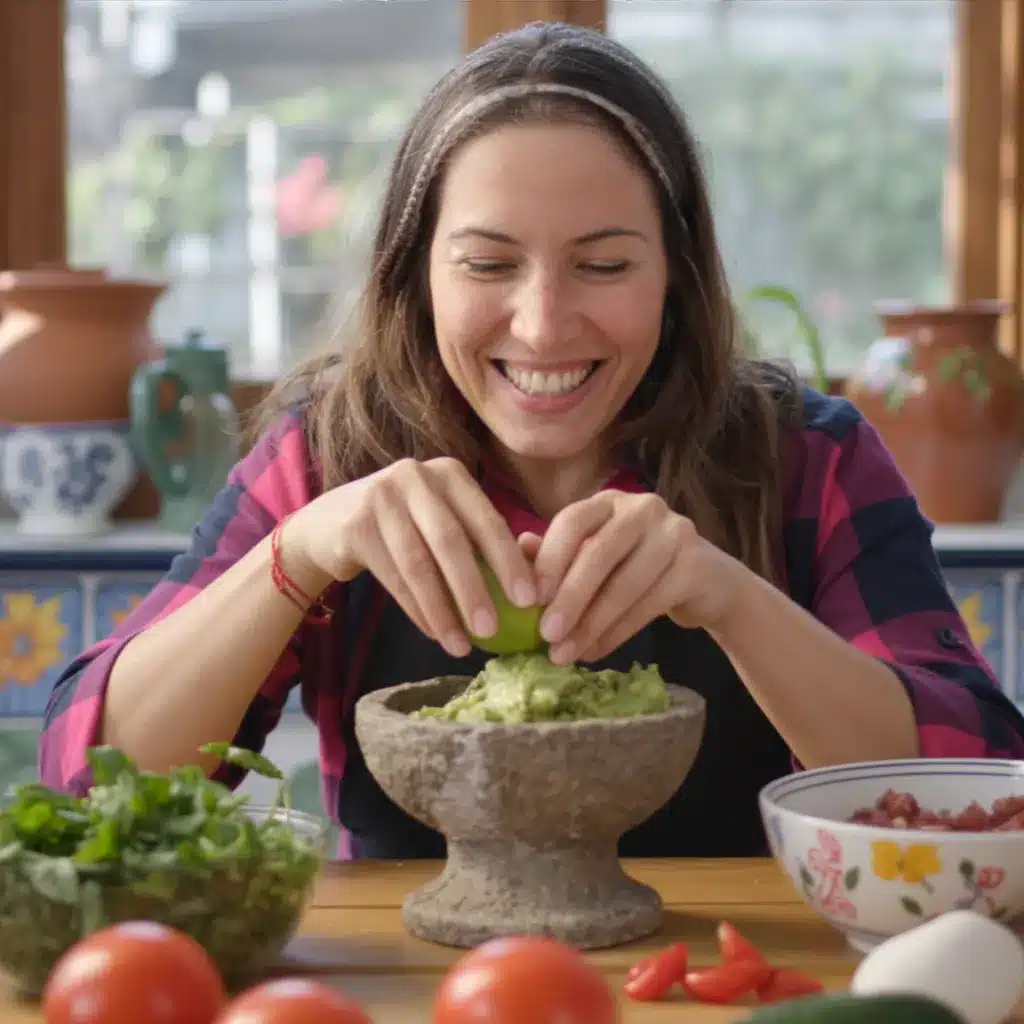
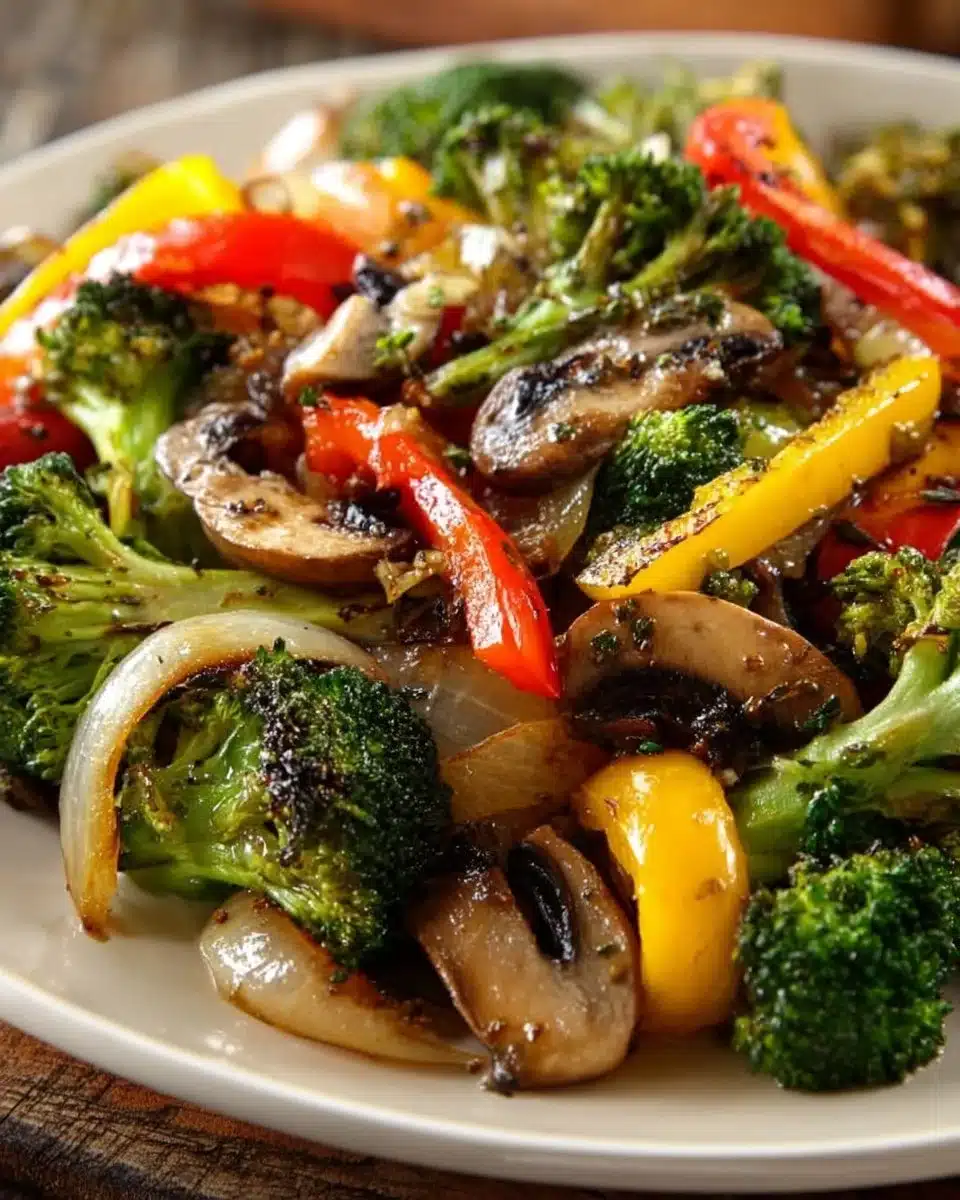
There is a quiet kind of peace that comes when a skillet warms on the stove and a rainbow of vegetables begin to sizzle softly in a ribbon of oil. The steam lifts like a small, knowing breath, carrying the scent of garlic and lemon, and the kitchen fills with a calm that feels like home. This Healthy Sautéed Vegetables – Quick, Flavorful & Nutritious Side is the kind of dish that asks only for your presence, a gentle stir, and a little patience, and it returns comfort and nourishment to the table.
If you enjoy meals that steady the heart and settle the mind, you might find comfort in other simple recipes and collections that celebrate warmth and flavor, such as these easy Thanksgiving side dishes that bring people together.
Possible Headings: A Gentle Recipe for Body & Soul
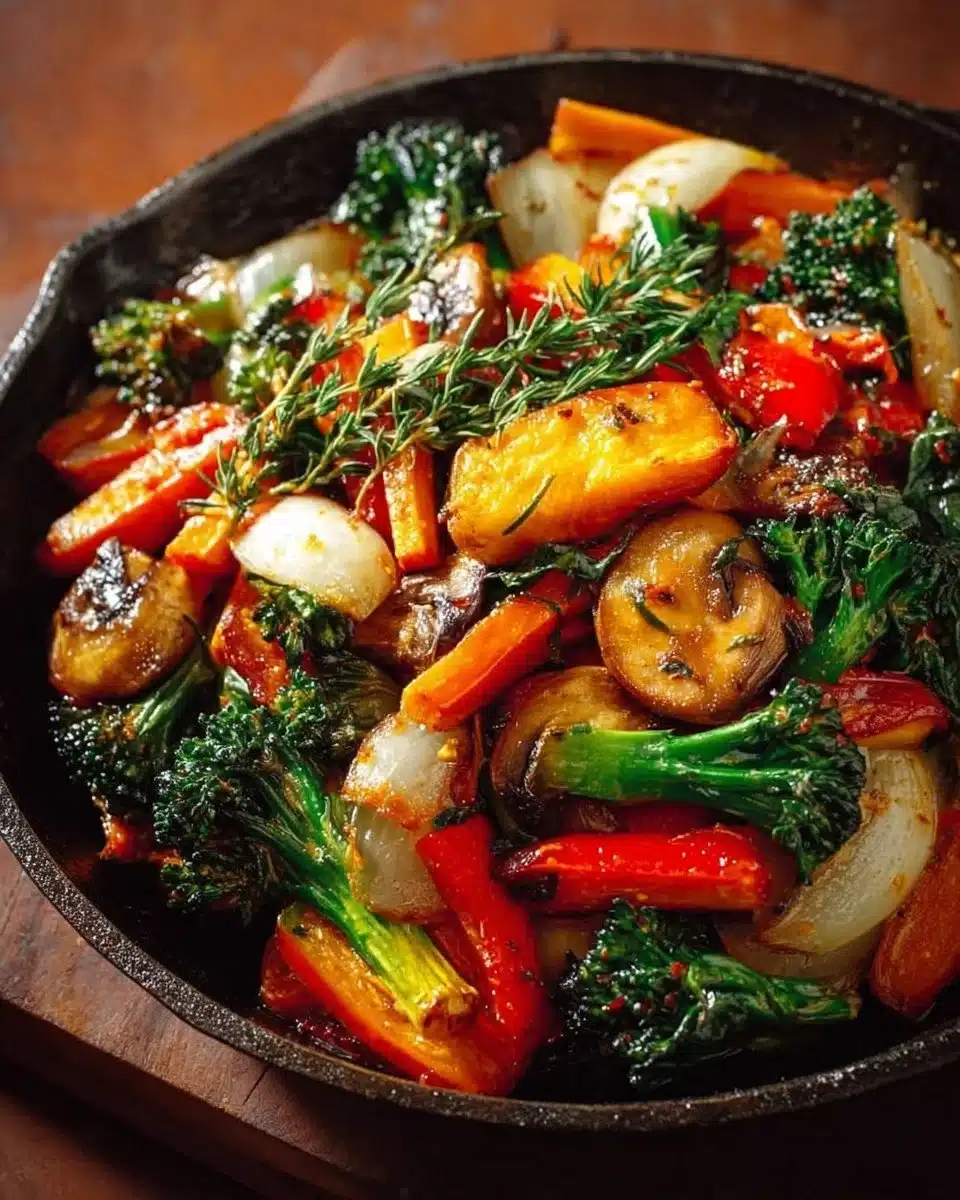
This Healthy Sautéed Vegetables – Quick, Flavorful & Nutritious Side is more than a list of ingredients and steps. It is an invitation to slow down, breathe, and welcome nourishment into the body in a simple, honest way. Vegetables carry a kind of quiet abundance. When they meet heat, a small transformation happens. Natural sugars coax out a soft sweetness. Fibers offer grounding texture. Colors lift the spirit.
This recipe supports well being because it is balanced and flexible. It meets many needs: a fast weeknight side, a gentle dish for someone feeling low appetite, or a colorful accompaniment that adds light and life to a shared meal. The method keeps nutrients intact by using quick, even cooking, and the gentle seasoning highlights the vegetables rather than masking them. Take your time as you gather ingredients. Let the light through the window accompany you as you prepare, and remember that cooking can be an act of tenderness.
Step by Step: How to Prepare Healthy Sautéed Vegetables
“Cooking is a quiet way of caring for yourself and the ones you love.”
Before the pan warms, take a moment to set your intention. Gather your vegetables and tools. Breath in the cool air and exhale slowly. This dish asks for simple attention: even cuts, steady heat, a kind hand at the spatula. The following steps are gentle and reliable. Move through them at your own pace, and let the sound of the vegetables meeting the skillet be your guide.
- Prep Vegetables: Wash, peel if needed, and cut all vegetables into uniform pieces.
Take time to make the pieces similar in size so they cook evenly. Use a comfortable grip and a sharp knife. Rinse broccoli and snap peas in cool water, and gently pat everything dry so the oil sizzles rather than steam. - Heat Pan: Place skillet over medium-high heat and add oil.
Choose a sturdy pan and allow it to warm for a minute so the oil shimmers but does not smoke. The right temperature is a friendly balance: warm enough to encourage browning, gentle enough to preserve tenderness. - Cook Aromatics: Add garlic and onions, sauté 1 to 2 minutes until fragrant.
Stir slowly so the garlic does not burn. The aroma will rise and fill the room. This is the moment when the dish begins to speak to you. Breathe as you stir and remember that small, mindful motions make a steady rhythm. - Add Harder Vegetables: Add carrots and broccoli first; cook 3 to 4 minutes, stirring frequently.
These vegetables need a touch more time. Keep them moving in the pan so they soften and brighten without becoming mushy. Look for a vibrant color and a slight give when poked with a fork. - Add Softer Vegetables: Add bell peppers, zucchini, mushrooms, and snap peas; sauté another 4 to 5 minutes until crisp-tender.
Softer vegetables finish the melody. They will release a little moisture and create a gentle steam. Stir slowly until everything feels balanced, tasting as you go for texture and seasoning. - Season: Add salt, pepper, and optional flavorings such as lemon juice, balsamic vinegar, or soy sauce.
Season gently and adjust to your taste. A small splash of acid, like lemon juice or balsamic vinegar, lifts the flavors and ties the vegetables together like a soft thread. - Finish & Serve: Toss well and garnish with herbs, seeds, or nuts. Serve immediately for best texture.
Fresh herbs add a final breath of brightness, and toasted seeds or nuts bring a grounding crunch. Serve the vegetables while they are warm and tender, and relish the quiet comfort of a simple, nourishing side.
Wholesome Ingredients You’ll Need for Healthy Sautéed Vegetables
2 tbsp olive oil (or avocado oil/butter)
2 cloves garlic, minced
1 small onion, thinly sliced
1 bell pepper, sliced
1 zucchini, sliced into half-moons
1 cup broccoli florets
1 medium carrot, julienned or sliced thin
½ cup snap peas
½ cup mushrooms, sliced
Salt and black pepper, to taste
1 tsp lemon juice (optional)
1 tsp balsamic vinegar or soy sauce (optional)
Optional toppings: toasted nuts, seeds, fresh herbs, grated Parmesan
Use the freshest vegetables you can find. Fresh herbs carry a gentle energy that brightens a dish, and a small knob of butter at the end can add a nurturing silkiness. If you enjoy a touch of sweetness, a sprinkle of toasted nuts or a little grated Parmesan can be restorative and grounding in its own way. While you are savoring simple sides, you might also enjoy baking something sweet and wholesome later, such as these healthy apple pie oatmeal cookies for a comforting finish.
Step-by-Step How to Prepare Healthy Sautéed Vegetables
Prep: Lay out all vegetables on a cutting board. Wash thoroughly and dry with a clean towel.
Cut each vegetable into uniform shapes so they cook evenly. Arrange them in bowls by cooking time: quicker vegetables together, heartier ones in another bowl. This little practice keeps the flow steady and calm.
Warm the pan: Heat a large skillet over medium-high heat and add the olive oil.
Let the oil warm until it shimmers. A drop of water should dance when it hits the surface. This is the moment to ground yourself. Feel the warmth from the stove through the pan and know that you are creating comfort.
Aromatics first: Add the thinly sliced onion and minced garlic to the pan. Sauté for 1 to 2 minutes until fragrant and slightly translucent.
Keep stirring slowly, letting the aroma open the space. If the garlic begins to brown too quickly, turn the heat down a touch. Gentle heat protects delicate flavors.
Hard vegetables: Add the carrots and broccoli to the pan. Sauté for 3 to 4 minutes, stirring frequently.
Hold the pan at a slight angle if needed so the vegetables make good contact with the surface. Watch for the color to deepen and the vegetables to soften while still keeping their structure.
Softer vegetables: Add bell peppers, zucchini, mushrooms, and snap peas. Sauté for another 4 to 5 minutes until crisp-tender.
These vegetables release moisture and meld with the earlier layers of flavor. Stir slowly until everything feels balanced. If the pan becomes dry, add a teaspoon of water to prevent sticking.
Seasoning: Add salt, black pepper, and any optional flavorings like lemon juice, balsamic vinegar, or soy sauce.
Taste as you go and adjust gently. A small splash of acid brightens and pulls the flavors together. Add it near the end so the brightness stays fresh.
Finish: Toss everything to coat and remove from heat. Garnish with fresh herbs, toasted seeds, nuts, or a fine grating of cheese.
Serve immediately for the best texture. If you pause to breathe and set the table, the vegetables will still hold a warm, comforting presence.
How to Serve Healthy Sautéed Vegetables
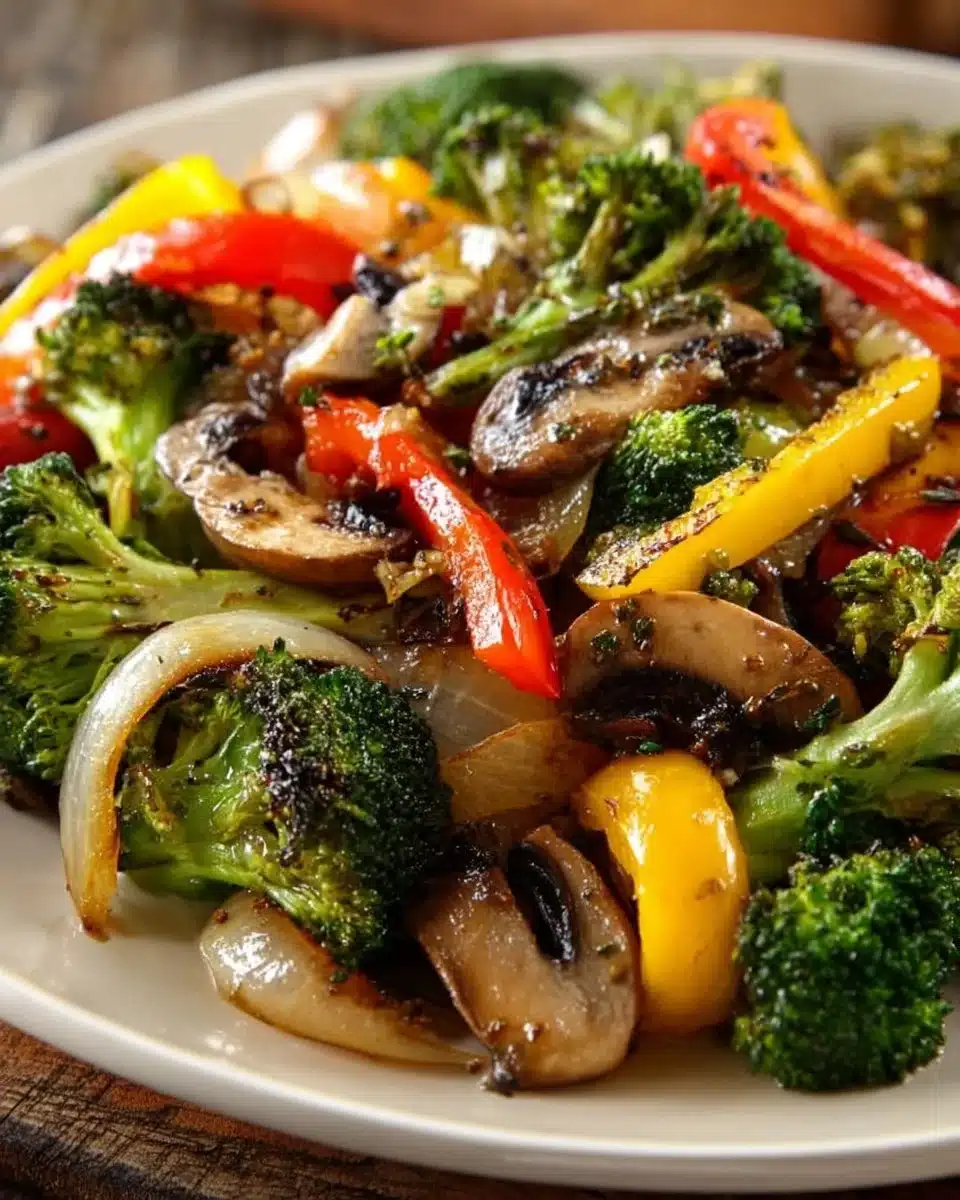
Serving is a small ritual. Choose a warm, shallow bowl or a simple platter. Let the vegetables settle into their own pattern so the colors show through. Spoon gently and leave a few herb sprigs on top to catch the eye. A sprinkle of toasted sesame seeds or crushed almonds brings a soft, nutty crunch. A little lemon wedge on the side can be squeezed at the table to wake the flavors for whoever needs that extra lift.
Think about how the dish will be experienced. If you are sharing, place the vegetables at the center of the table and invite others to serve themselves slowly. If you are serving for one, arrange the plate with warmth and care. Set a cloth napkin nearby, light a candle if it feels right, and take a breath before you taste. The first bite is a moment of gratitude for the work your hands have done and the nourishment you are about to receive.
How to Store Healthy Sautéed Vegetables
Store cooled vegetables in an airtight container and place them in the refrigerator for up to 3 to 4 days.
Allow leftovers to rest in the fridge so the flavors deepen. Reheat gently in a skillet with a sprinkle of water or a touch of oil to revive texture, stirring slowly until warmed through. Avoid microwaving for long periods as that can make the vegetables lose their crispness.
For longer preservation, vegetables may be frozen, though texture will change. Flash freeze on a tray first, then transfer to a freezer-safe bag. Use frozen vegetables in soups, stews, or casseroles where a softer texture is welcome. When you thaw them, be mindful of their softened state and use them in dishes that benefit from that tenderness.
Leftovers often taste even cozier the next day as the flavors meld. A bowl of reheated sautéed vegetables can feel like a small gift of calm on a busy evening. Trust that simple food grows more comforting with time.
Mama Lila’s Helpful Tips
- Balance textures. Combine a crunchy vegetable like snap peas with a soft one like zucchini for a pleasing mouthfeel.
Mama Lila always says texture is like the rhythm of a song. A mix of notes keeps the experience lively and satisfying. - Keep a sharp knife. Even cuts make even cooking.
A sharp knife protects your fingers and your patience. When vegetables are cut uniformly, they cook predictably and you can relax into the rhythm of stirring. - Toast spices and seeds first to release their oils and scent.
A quick toast in the pan before tossing them on top brightens flavor. Work gently and watch carefully so they do not burn. - Use seasonal vegetables and trust your intuition.
If you have a market find like tender asparagus in spring, welcome it. Swap things in and out based on what feels inviting. For inspiration on simple, warming bowls that pair well with sides like this, remember recipes such as the nourishing 7 flavorful chicken tortilla soup secrets I love to make when I want a soothing main. - Finish with a cold fat if you like, such as a smear of butter or a drizzle of extra-virgin olive oil.
This small act softens the edges of heat and ties the flavors together with a gentle sheen.
Peaceful Variations to Explore
Herb swaps: Try basil in summer, parsley in spring, or a little thyme in autumn. Each herb brings a different kind of warmth.
Add comfort: Stir in a small spoonful of tahini or a splash of coconut milk for a creamy, nourishing note.
Spice options: A pinch of smoked paprika or a light sprinkle of cumin brings a cozy depth that feels like a soft blanket.
Grains and proteins: Serve over warm quinoa, farro, or brown rice for a heartier bowl. Top with a poached egg or a handful of chickpeas for gentle protein.
Slow cooker twist: If you prefer slow, gentle cooking, toss the vegetables in a wide, low-temperature slow cooker with a little broth and a splash of lemon toward the end. Let them rest until tender and slightly caramelized.
Each variation is a small invitation to play, to adapt, and to meet your needs. There is no right or wrong. The heart of this Healthy Sautéed Vegetables – Quick, Flavorful & Nutritious Side is openness.
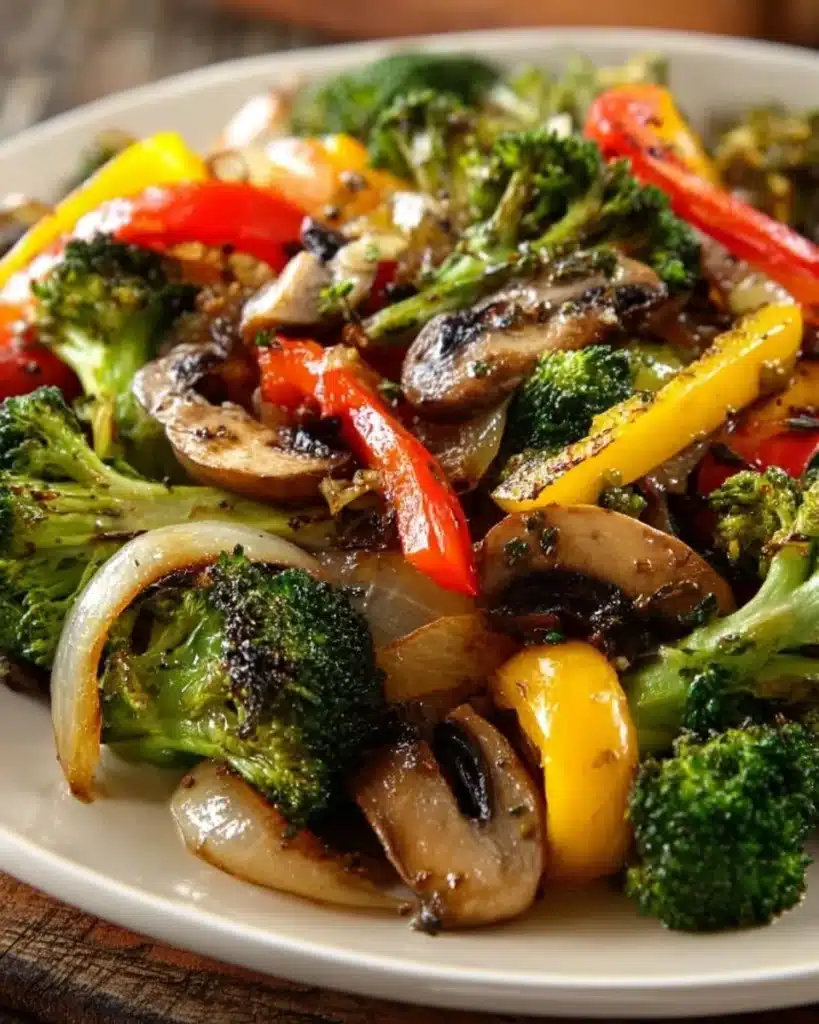
Healthy Sautéed Vegetables
Ingredients
Method
- Wash, peel if needed, and cut all vegetables into uniform pieces.
- Rinse broccoli and snap peas in cool water, and gently pat everything dry.
- Place skillet over medium-high heat and add oil. Allow it to warm until shimmering.
- Add garlic and onions, sauté for 1 to 2 minutes until fragrant.
- Add carrots and broccoli first; cook for 3 to 4 minutes, stirring frequently.
- Add bell peppers, zucchini, mushrooms, and snap peas; sauté additional 4 to 5 minutes until crisp-tender.
- Season with salt, pepper, and any optional flavorings like lemon juice or balsamic vinegar.
- Toss well and garnish with herbs, seeds, or nuts. Serve immediately.
Nutrition
Notes
Tried this recipe?
Let us know how it was!Common Questions About Healthy Sautéed Vegetables
Can I make this ahead of time?
Yes, and it often tastes even more comforting the next day as the flavors blend. Store in the refrigerator for up to 4 days and reheat gently in a skillet. A little fresh herb or lemon squeezed at the table revives brightness.
Will the vegetables lose nutrients when I sauté them?
Sautéing is a gentle method that preserves many nutrients because cooking times are short and water loss is minimal. Using a modest amount of healthy oil helps absorb fat-soluble vitamins, and quick cooking maintains color and texture.
How can I keep vegetables crisp instead of soggy?
Cut vegetables to uniform sizes and do not overcrowd the pan. High heat and space allow them to brown slightly and stay crisp-tender. If needed, cook in batches and combine at the end.
What can I serve with these vegetables to create a balanced meal?
Pair them with a whole grain, a gentle protein such as lentils or fish, or a soft grain bowl topped with a poached egg. The vegetables will complement richer mains and also stand alone as a light, nourishing meal.
Are there substitutions for people with dietary restrictions?
Absolutely. Use avocado oil or butter for different flavor profiles. Substitute tamari for soy sauce for gluten-free needs. For a nut-free topping, choose seeds like pumpkin or sunflower.
Final Reflection or Closing Note
This Healthy Sautéed Vegetables – Quick, Flavorful & Nutritious Side is meant to be a small ritual of care. Each time I cook it in my kitchen, I imagine a long table where conversation is easy and plates are passed slowly. The act of cooking becomes a meditation, and the result is simple, gentle nourishment that comforts the body and steadies the soul. Take your time. Taste as you go. Let the warm steam and the scent of garlic and herbs remind you of calm moments and tender connections.
Conclusion
I hope this Healthy Sautéed Vegetables – Quick, Flavorful & Nutritious Side brings you the same peace and warmth it brings to my home each time I cook it. For more ideas and variations on quick vegetable sides, you might enjoy this inspired Sauteed Vegetables, Easy Side Dish Recipe that offers a playful Italian twist. If you are looking for simple techniques and budget-friendly options to keep weeknight cooking nourishing and manageable, this resource on Simple Sautéed Vegetables – Easy Side Dish – Budget Bytes can be a helpful companion.