
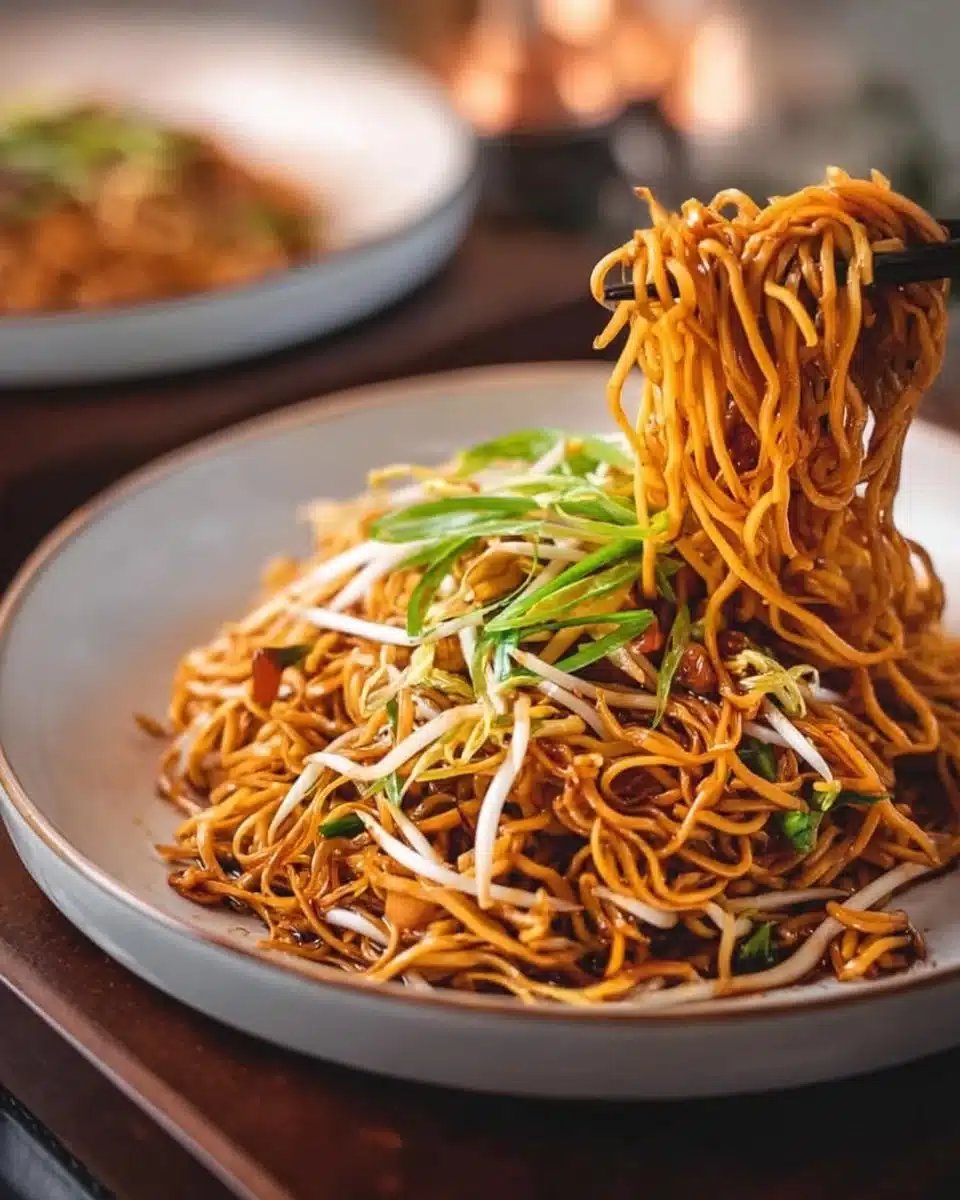
There’s something special about Classic Chinese Fried Noodles the way its aroma fills the kitchen and makes everyone wander in for a taste. It is one of those recipes that feels like a warm welcome, simple comfort, and a quick celebration all at once. Whether you grew up with this dish or you are meeting it for the first time, it has a friendly, approachable magic.
If you like cozy, quick dinners, you might also enjoy a bowl of classic chicken noodle soup on a chilly night. That gentle, homey feeling is the same spirit that makes these noodles a go-to weeknight winner.
Why You’ll Love Making This Classic Chinese Fried Noodles
This recipe is honest and practical. It moves fast on the stove, uses a handful of common ingredients, and yields deep, satisfying flavor with a crisp, slightly charred edge on the noodles. It’s a dish that feels impressive but is forgiving, which makes it perfect for beginners.
You can make it your own in minutes. Swap vegetables based on what’s in your fridge, add a protein if you like, or keep it vegetarian. The soy sauce gives it a savory backbone, while garlic and ginger add brightness. The technique is straightforward: high heat, quick tossing, and a few sensory cues to tell you when it’s done.
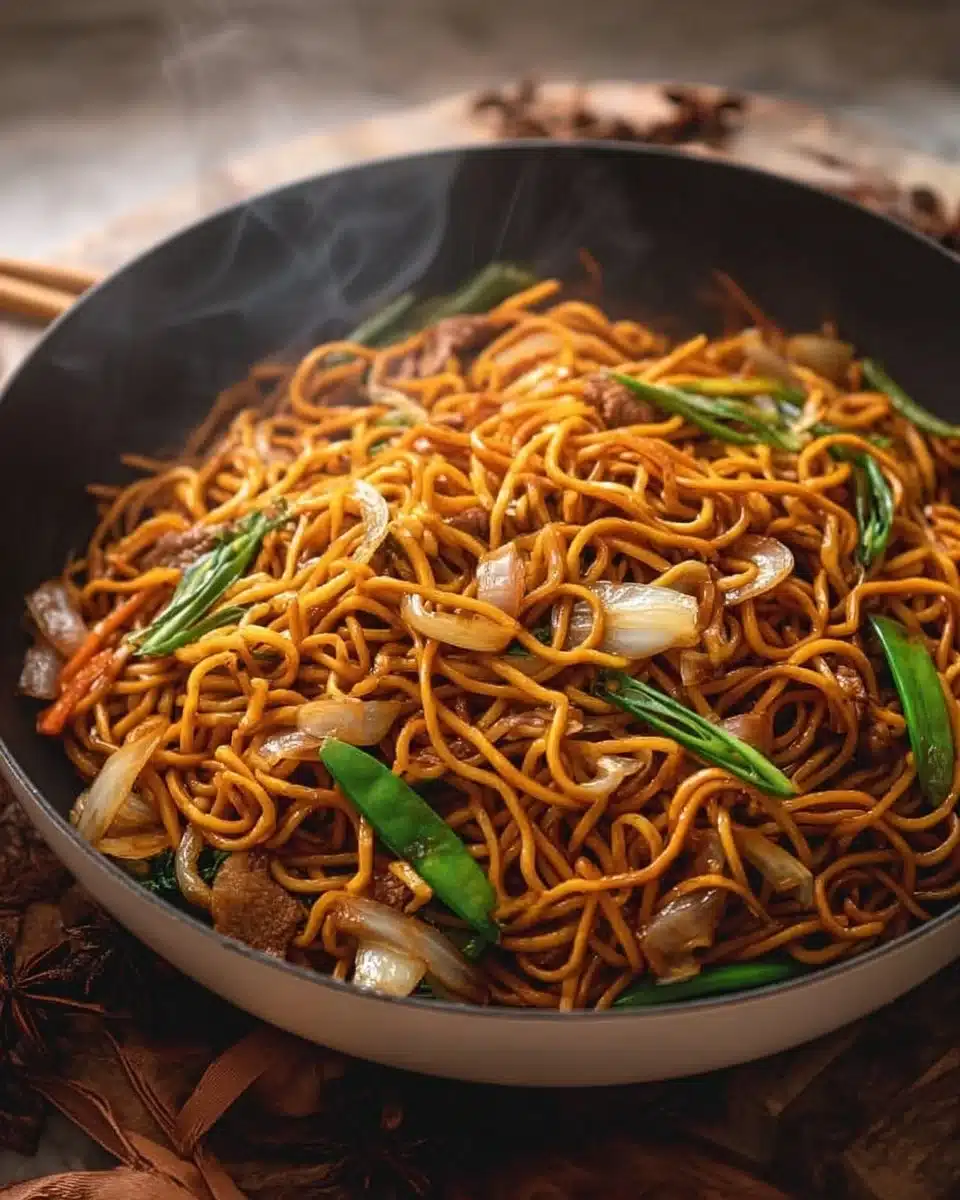
Step-by-Step: How to Make Classic Chinese Fried Noodles
“Cooking isn’t about perfection. It’s about enjoying every delicious step.”
Before we dive in, gather your equipment and ingredients. A large wok or a heavy skillet is best because it gives you room to toss and lets the food touch hot metal. Have a colander ready for the noodles, a small bowl for your soy sauce, and a spatula or tongs for stirring.
If you like a fresh, crunchy side, this pairs nicely with a classic house salad. That combination makes a balanced meal with bright greens and warm, savory noodles.
Now let’s move step by step and keep the pace relaxed. I’ll walk you through each action with little signs to look for so you feel confident at the stove.
Ingredients You’ll Need for Classic Chinese Fried Noodles
8 oz chow mein noodles (use dried or fresh chow mein; dried is fine if boiled then cooled)
2 tablespoons vegetable oil (neutral oil like canola or peanut works best for high heat)
2 cups mixed vegetables (e.g., bell peppers, carrots, bean sprouts) (choose colors and textures you enjoy)
2 cloves garlic, minced (fresh garlic gives the best fragrance)
1 teaspoon fresh ginger, minced (grated ginger brings warmth and bite)
3 tablespoons soy sauce (adjust to taste; low-sodium is fine)
Salt and pepper to taste (add sparingly at first; soy sauce is already salty)
Optional: sliced green onions for garnish (fresh scallions add color and mild onion flavor)
Notes: use fresh garlic and ginger for the brightest flavor. If you like a richer finish, add a tiny splash of sesame oil at the end. Fresh herbs make all the difference in aroma and finish.
Directions: Cooking with Confidence
- Cook the chow mein noodles according to package instructions and set aside.
Start by boiling the noodles just until tender. If you are using dried noodles, follow the time on the package and then drain them thoroughly. Rinse briefly under cold water to stop cooking and to separate the strands. Toss with a drop of oil so they do not clump. - In a large pan or wok, heat the vegetable oil over medium-high heat.
Let the oil get hot but not smoking. You want it shimmering. If the pan is hot enough, a small piece of garlic will sizzle immediately when it touches the oil. - Add the minced garlic and ginger, stir-frying for about 30 seconds until fragrant.
Stir constantly so the garlic and ginger do not burn. When they release their aroma and the pan smells lively, you are ready for the vegetables. This fragrance is one of the best early signals that the dish is progressing nicely. - Add the mixed vegetables to the pan and stir-fry for 3-4 minutes until they are crisp-tender.
Use vegetables that differ in texture. Start with heartier pieces like carrots and bell peppers first, then add softer things like bean sprouts near the end. Keep the motion quick and purposeful so the vegetables develop a little color but keep their snap. - Add the cooked chow mein noodles to the pan and pour the soy sauce over the top.
Spread the noodles in the pan and let them sit for a few seconds so some strands touch the hot surface. That small contact creates the lovely toasted bits that make the dish stand out. - Toss everything together until well combined and heated through.
Use tongs or a wide spatula to fold the vegetables and noodles together gently. Taste as you go. The soy sauce should coat the noodles evenly and warm through in a minute or two. - Season with salt and pepper to taste.
Be careful with salt because soy sauce is salty. Add a pinch at a time, taste, then add more only if needed. A small grind of black pepper brightens the flavor. - Garnish with sliced green onions if desired. Serve hot and enjoy!
Finish with fresh scallions for color and a mild crunch. If you like, add a tiny drizzle of sesame oil or a sprinkle of toasted sesame seeds right before serving.
Each of these steps is an invitation to trust your senses. When the pan smells good, when the noodles have some toasty spots, and when the vegetables still have bite, you are on the right track.
How to Serve Classic Chinese Fried Noodles and Make It Shine
Think simple and pleasing. Classic Chinese Fried Noodles are happiest hot and slightly glossy from the soy sauce. Serve them straight from the pan into warm bowls so the noodles stay soft and the vegetables stay bright.
For family dinners, plate a large shallow bowl and let everyone help themselves. If you want to make a composed plate, set the noodles next to a crisp, chilled salad or a bowl of light broth. These noodles are also a great base for a protein like grilled chicken, shrimp, or tofu. Lay sliced protein on top or toss it in at the end to warm through.
Add garnishes that contrast texture and color. Sliced green onions, a few toasted sesame seeds, or a sprinkle of crushed peanuts are all simple but effective. A small wedge of lime on the side gives a zesty balance if you like brightness.
For a relaxed meal, pair the noodles with steamed greens or a cold cucumber salad. If you prefer something heartier, a warm soup works well, too. Try a gentle pairing with a light broth or a simple vegetable soup to round out the meal.
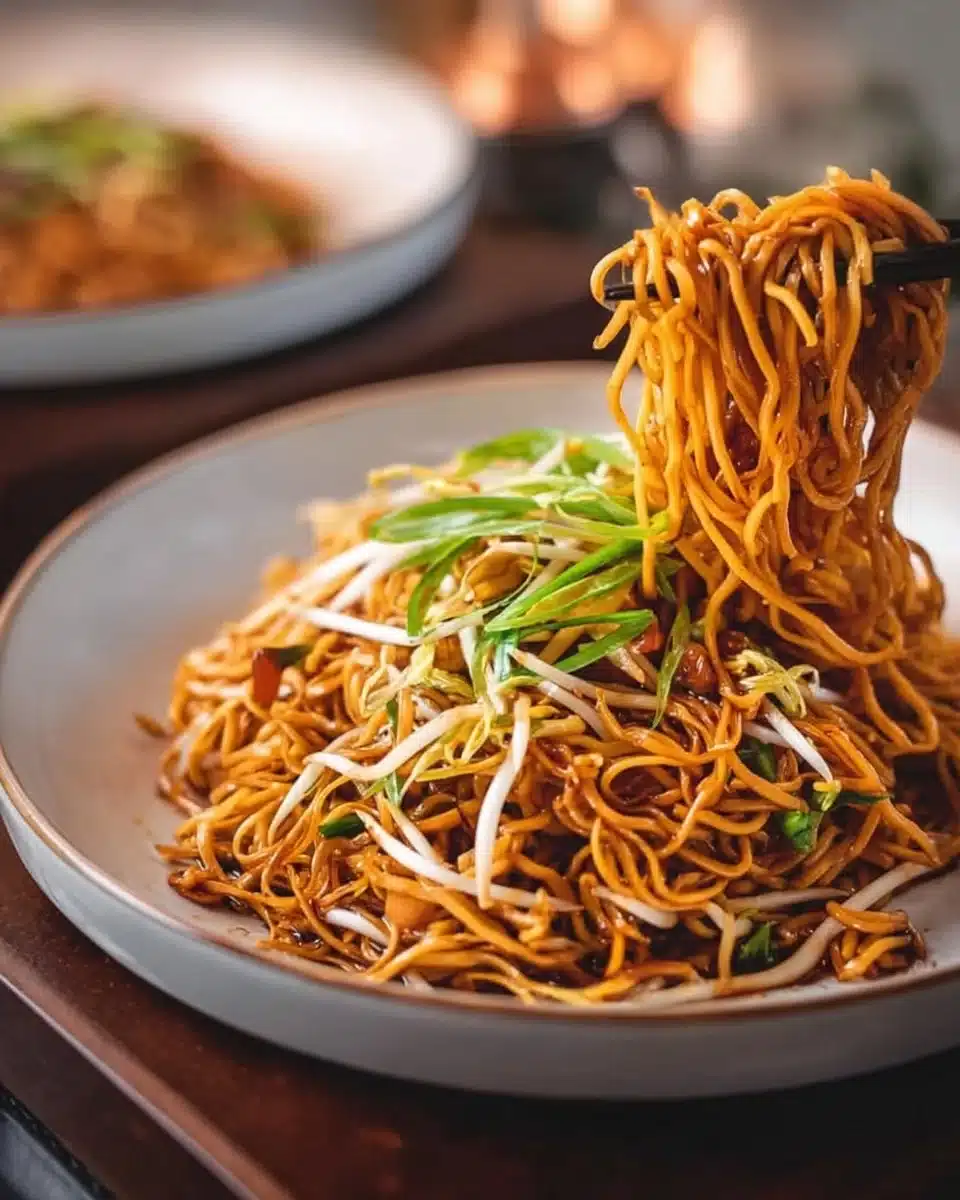
How to Store Classic Chinese Fried Noodles for Later
Leftovers are common and welcome because these noodles reheat beautifully. Cool the noodles to room temperature within an hour, then transfer to an airtight container. Stored in the refrigerator, they will keep for 3 to 4 days.
To reheat, use a hot skillet with a drizzle of oil. Add the noodles and stir-fry over medium-high heat just until warmed through. A touch of water or extra soy sauce can help loosen clumped noodles and refresh the texture. You can also microwave them in a covered dish with a splash of water for a quick fix. Heat for short intervals and stir between each burst so the heat is even.
If you freeze leftovers, know that the texture will change. Freeze in a shallow container for up to 1 month. Thaw overnight in the refrigerator and reheat in a skillet rather than the microwave for the best texture.
If you plan to pack these for lunch, place garnishes separately and add them right before eating. That keeps green onions bright and crunchy and prevents the noodles from becoming soggy.
Clara’s Tips for Success
- Use high heat and keep things moving.
A hot pan creates those small charred bits on the noodles and keeps vegetables from steaming. Toss constantly and work quickly. - Don’t overcook the noodles at the boiling stage.
Slightly undercook them or remove them as soon as they are al dente. They will finish cooking in the wok. This prevents them from becoming mushy. - Prep everything before you turn on the heat.
Chinese-style stir-frying is fast. Have your garlic minced, vegetables chopped, sauce measured, and noodles drained. Once the pan is hot, you do not want to pause. - Taste and adjust at the end.
Soy sauce gives salt and color. Add it little by little, then adjust with a pinch of sugar, a squeeze of lime, or a few drops of sesame oil if you want more depth. - Use a mix of textures in vegetables.
Combine crunchy and soft vegetables to keep each bite interesting. Carrots, cabbage, bell pepper, and bean sprouts make a pleasing mix.
Simple Variations to Try
- Classic Chicken or Shrimp Fried Noodles: Add thinly sliced cooked chicken or shrimp at the end and toss until warmed. It turns the dish into a satisfying main course.
- Spicy Twist: Add a teaspoon of chili garlic sauce or a few flakes of dried chili while stir-frying the garlic. It brings heat without hiding the noodles’ flavor.
- Vegetarian Boost: Stir in cubed firm tofu that has been pan-fried until golden. It offers protein and a pleasant contrast to the noodles.
- Sesame-Soy Style: Add 1 teaspoon of sesame oil and a tablespoon of oyster sauce for extra richness and that signature savory-sweet balance. (Oyster sauce is not vegetarian.)
- Noodle Swap: If you do not have chow mein noodles, use thin egg noodles or even leftover spaghetti in a pinch. The cooking approach is the same, but keep an eye on cook time.
These small changes keep the core technique intact while letting you tailor the meal to what you have and what you love.
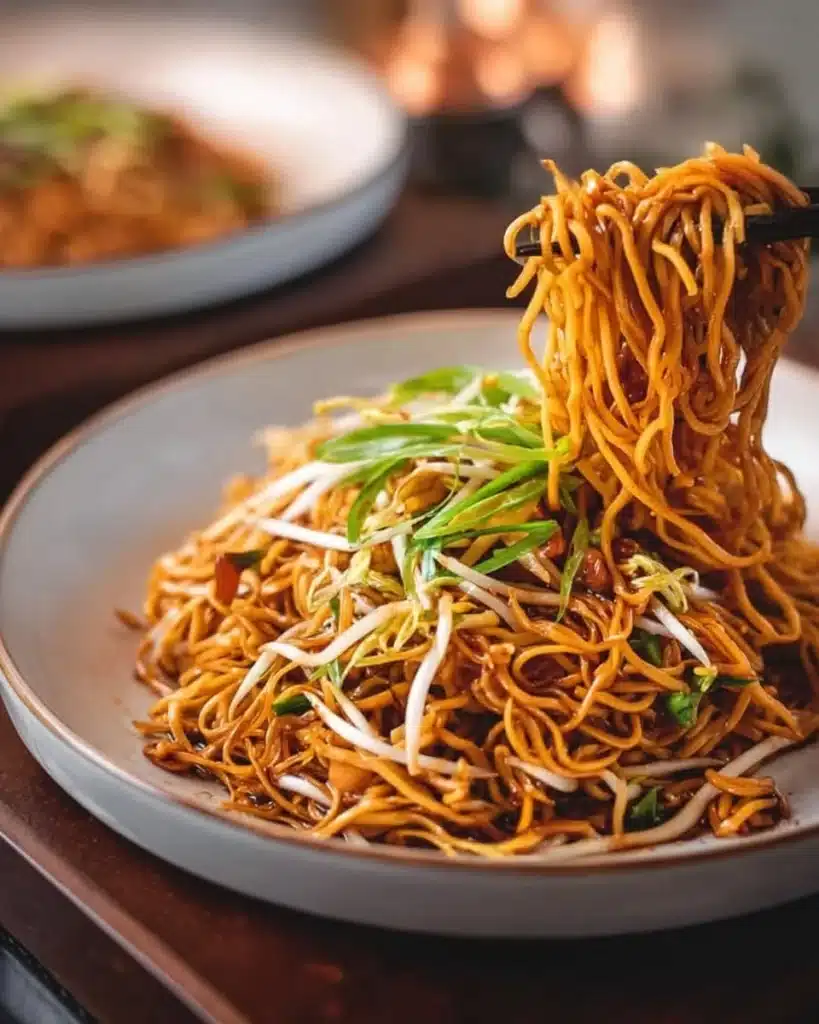
Classic Chinese Fried Noodles
Ingredients
Method
- Cook the chow mein noodles according to package instructions and set aside.
- If using dried noodles, boil just until tender, then drain and rinse under cold water to stop cooking.
- Toss noodles with a drop of oil to prevent clumping.
- In a large pan or wok, heat the vegetable oil over medium-high heat until shimmering.
- Add the minced garlic and ginger, stir-frying for about 30 seconds until fragrant.
- Add the mixed vegetables to the pan and stir-fry for 3-4 minutes until crisp-tender.
- Add the cooked chow mein noodles and pour soy sauce over the top.
- Toss everything together until well combined and heated through.
- Season with salt and pepper to taste.
- Garnish with sliced green onions if desired. Serve hot and enjoy!
Notes
FAQs About Classic Chinese Fried Noodles
Can I make this ahead of time?
Yes. You can cook the noodles and vegetables early and store them separately. Reheat in a hot pan just before serving so the noodles regain their texture. Add garnishes at the last moment.
What if my noodles stick together?
If noodles clump, toss them with a little oil after boiling and before stir-frying. If they still stick in the pan, add a splash of water or soy sauce and separate with tongs over heat.
Can I use gluten-free soy sauce?
Absolutely. Use a gluten-free tamari or coconut aminos if you need a gluten-free option. Taste and adjust, since different sauces vary in saltiness.
How do I prevent vegetables from becoming soggy?
Stir-fry vegetables on high heat and in small batches if needed. Add slower-cooking vegetables first and softer ones near the end. Cooking time for most vegetables should be short so they stay crisp-tender.
Will adding oil at the end make the dish greasy?
A little sesame oil at the end adds aroma without making the noodles greasy. Use it sparingly. If the dish seems oily, blot the pan with a paper towel before serving or reduce oil next time.
Final Encouragement or Closing Note
Cooking this Classic Chinese Fried Noodles is a gentle skill-builder. It teaches you how heat, timing, and simple ingredients come together. Trust your senses, move with confidence, and know that small adjustments are part of the fun. You’ve already got what you need: good ingredients, a warm pan, and a willingness to try. You can do this.
Conclusion
If you want a deeper look at traditional Chow Mein techniques and regional notes, I recommend reading the detailed guide at Red House Spice’s Chow Mein guide. For a helpful video walkthrough that shows every step in real time, check out the Classic Chinese Chow Mein Recipe video from Dinner, then Dessert.
I hope this Classic Chinese Fried Noodles helps you discover how simple and rewarding homemade cooking can be. You’ve got this.
