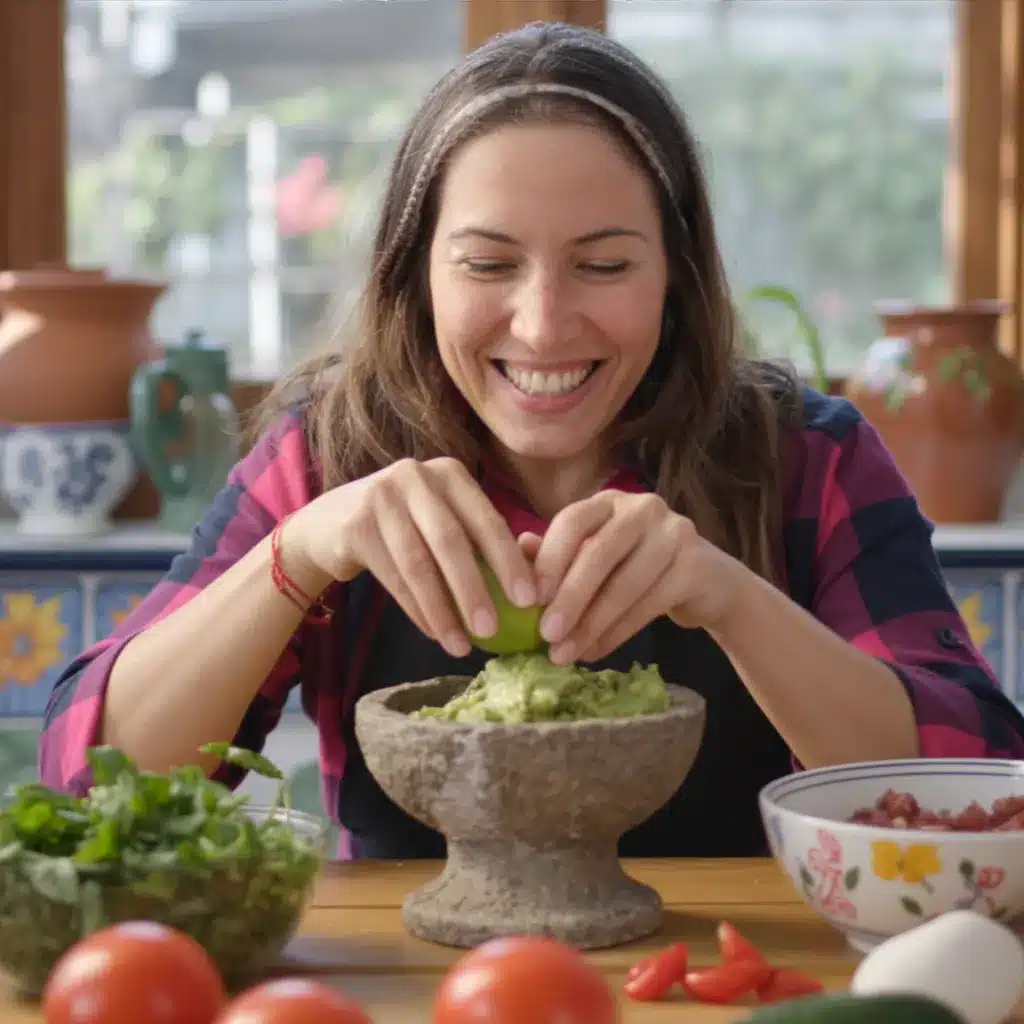
There’s something special about Garlic Sesame Noodles the way the garlicky aroma curls through the air and makes the whole kitchen feel like a small, cozy restaurant. It’s a bowl that comforts without fuss, a quick dinner that feels thoughtful. Clara would nudge you gently and say, the best versions are the ones you make at home, with a little patience and a few good smells.
If garlic-forward dishes make you smile, you might enjoy pairing these noodles with other comforting bites like buttery cheese garlic rolls that soak up sauce beautifully.
Why You’ll Love Making This Garlic Sesame Noodles or The Story Behind My Garlic Sesame Noodles
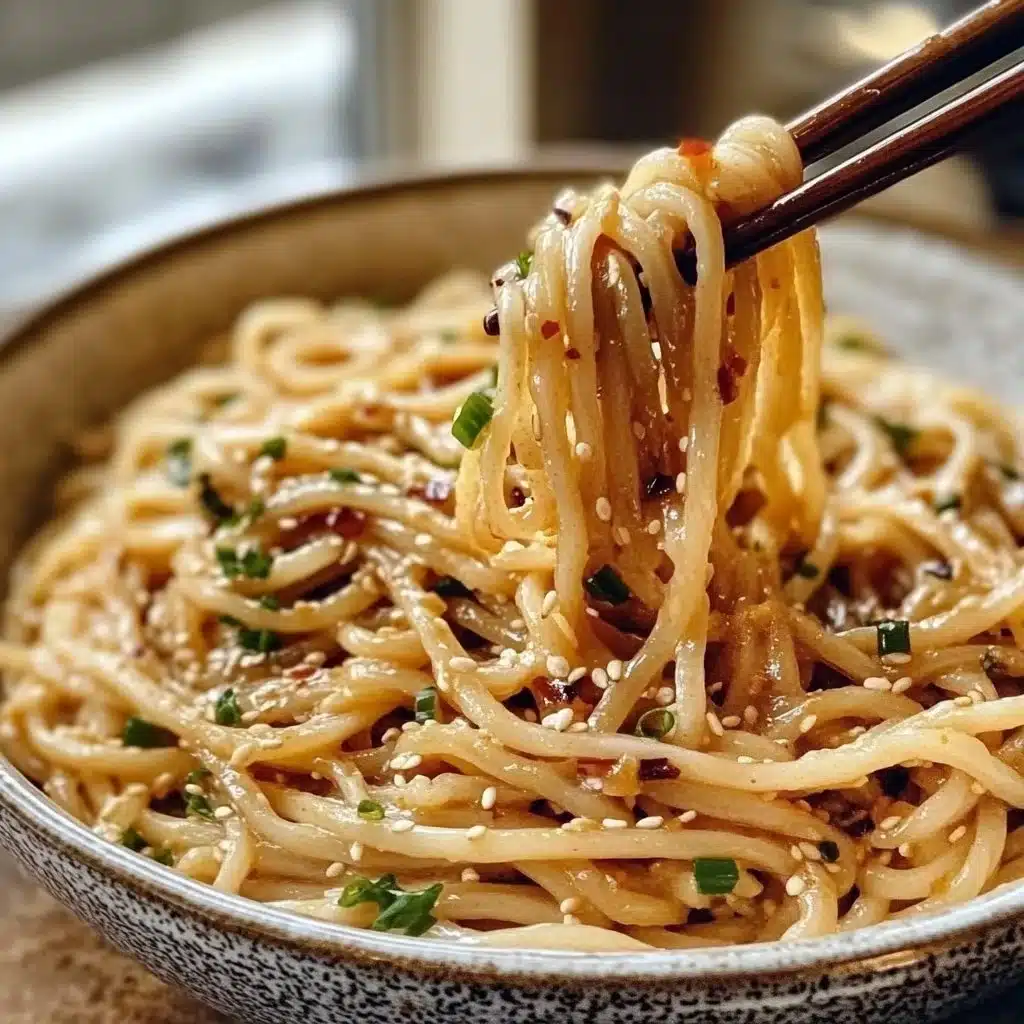
I remember the first time I made these noodles for friends. I wanted something fast but full of flavor. The sauce came together in minutes, and the kitchen filled with warm, toasty sesame and garlic. People gathered around the counter, drawn by scent more than ceremony. That’s the magic: this recipe is quick, reliable, and kind.
You’ll love how easily the sauce clings to noodles and how the toasted sesame oil gives a nutty finish. It’s a meal that works on its own, or as a base for greens, protein, or crunchy toppings. Make it for a weeknight dinner, a potluck, or a calming weekend lunch. Clara’s promise is simple: few ingredients, little trouble, and a lot of reward.
Step-by-Step: How to Make Garlic Sesame Noodles or Your Kitchen Game Plan
“Cooking isn’t about perfection. It’s about enjoying every delicious step.”
Before we dive into the ingredients and the pan, take a moment to set up your workspace. Gather the noodles, measure the sauce, mince the garlic, and have a bowl or plate ready for finished noodles. Prepping like this keeps the flow easy and calm.
This recipe is intentionally forgiving. The sauce balances salty, sweet, tangy, and spicy, so small adjustments are fine. Taste as you go and trust your palate. Clara will guide you through timing, texture, and simple swaps so you feel confident from start to finish.
Ingredients You’ll Need for Garlic Sesame Noodles
12 ounces brown rice noodles sturdy and whole-grain with a chewy bite; cook to package timing for best texture.
1 tablespoon oil (neutral oil works best) use vegetable, canola, or light olive oil for a clean sauté.
6 cloves garlic fresh, peeled, and finely minced for the brightest flavor.
1/4-1/3 cup low sodium soy sauce or tamari choose low sodium so you can control salt; tamari is great if you need gluten-free.
2 tablespoons veggie broth adds body and thins the sauce slightly; water works in a pinch.
1 1/2 tablespoons rice vinegar brightens the sauce; white wine vinegar can substitute.
2 tablespoons toasted sesame oil a little goes a long way; this is the key nutty flavor.
1 tablespoon honey or maple syrup balances salt and acid; maple is vegan-friendly.
2 tablespoons tahini adds creaminess and depth; substitute peanut butter in a pinch.
2 teaspoons sriracha for gentle heat; adjust up or down to taste.
1/2 teaspoon ground ginger warm and slightly sweet; fresh grated ginger is excellent if you have it.
Scallions or crushed peanuts for garnish scallions add a fresh bite; crushed peanuts add crunch and texture.
Directions: Cooking with Confidence
- Bring a large pot of water to a boil and cook the pasta according to package instructions.
Start with plenty of water. Salt it lightly if you like, though the sauce is salty too. Brown rice noodles can be more sensitive than wheat pasta, so check them a minute or two before the package time. You want them tender with a little bounce, not mushy. Drain and reserve a little pasta water if you like to loosen the sauce later. - Drain the pasta and toss briefly with a drop of oil.
A single teaspoon of the neutral oil tossed with the drained noodles keeps them from sticking. Toss gently and set them aside in a wide bowl so the sauce will coat each strand. If the noodles cool and stick together, briefly dunk them in hot water, then drain again. - Mince the garlic and heat it gently in a pan with the neutral oil until golden brown.
Use medium-low heat. Garlic goes from golden to bitter quickly, so watch closely and stir often. The oil will carry the flavor; once the garlic is fragrant and lightly golden, it’s time for the next step. If you like more roasted garlic flavor, cook a little longer but keep the heat controlled. - Whisk together the remaining sauce ingredients and add to the pan with the garlic.
Combine soy sauce or tamari, veggie broth, rice vinegar, toasted sesame oil, honey or maple syrup, tahini, sriracha, and ground ginger in a small bowl. Whisk until smooth and slightly glossy. Pour the sauce into the pan with the garlic and stir to combine so the flavors mingle. - Let simmer for 2-3 minutes until slightly thickened.
Simmer just long enough to meld flavors and slightly reduce the sauce. Tahini and sesame oil will deepen in aroma. If the sauce seems too thick, add a tablespoon or two of reserved pasta water; if it is too thin, simmer a little longer. The goal is a sauce that clings to noodles but is still silky. - Combine the pasta with the sauce and toss until well coated.
Add the noodles to the pan, or pour the sauce over your bowl of noodles. Toss patiently so every strand is coated. Taste and adjust for salt, sweetness, or heat. A little extra sesame oil at the end adds gloss and aroma, and a splash of vinegar can brighten it after tasting. - Garnish with scallions or crushed peanuts before serving.
Finish with fresh scallions for color and bite, or crushed peanuts for crunch. A sprinkle of toasted sesame seeds or a few thinly sliced cucumbers also brings freshness. Serve warm and enjoy the first fragrant spoonful.
How to Serve Garlic Sesame Noodles and Make It Shine
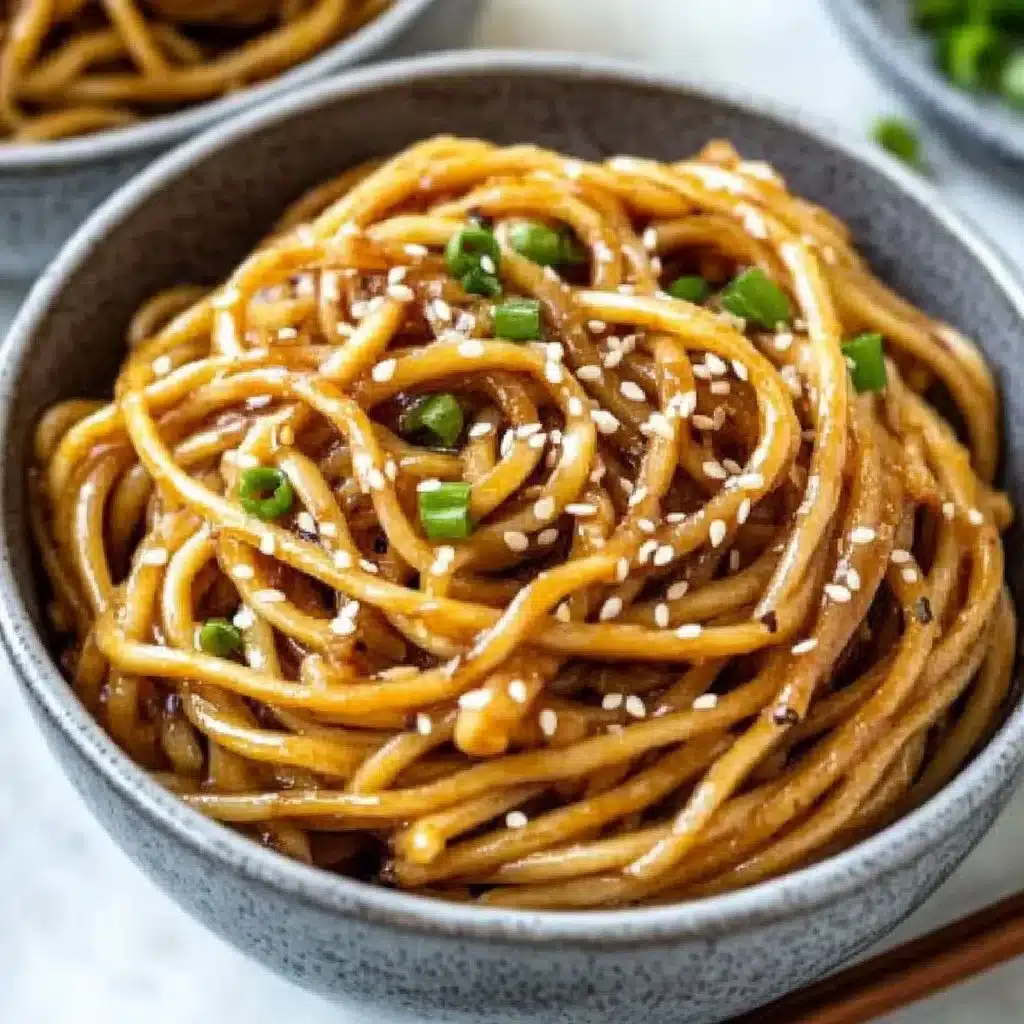
Garlic Sesame Noodles are a wonderfully flexible dish. Serve them simply in a wide bowl so the steam and scent invite everyone in. Add a small mound of blanched greens on the side, or pile in roasted vegetables for color and heft. For a heartier plate, top with sliced grilled chicken, sautéed tofu, or a soft-boiled egg.
For a casual family dinner, set out garnishes in small bowls: scallions, crushed peanuts, extra sriracha, and lime wedges. This lets everyone personalize their bowl. For a more composed meal, plate the noodles with a sprinkle of sesame seeds and a neat pile of roasted broccoli or bok choy along one side.
A little plating tip: twirl a serving with tongs into the center of a warmed bowl so it sits in a tidy, inviting mound. Add garnishes last so they stay crisp. If you want a crisp contrast, serve a pan-seared piece of fish or tofu on top and drizzle a touch more sesame oil before serving.
If you are looking for a warming side to pair with these noodles, try a comforting bowl of cheddar garlic herb potato soup which balances the noodles beautifully.
How to Store Garlic Sesame Noodles for Later
Leftovers store well if you keep freshness in mind. Place cooled noodles and sauce in an airtight container. Refrigerate for up to three days. Because sesame oil and tahini can thicken when cold, the sauce may firm up in the fridge.
To reheat, gently warm in a skillet over low heat with a splash of water or veggie broth. Toss until the sauce loosens and coats the noodles again. Microwaving works too; heat in short bursts, stirring in between and adding a little liquid to keep the texture silky.
If you want to meal-prep, store sauce separately from noodles. Keep sauce in a jar in the fridge for up to a week, and cook fresh noodles when you’re ready. Combine them just before serving for the best texture and flavor.
Freezing is not ideal because the tahini and sesame oil can separate and the brown rice noodles may become gummy. If you must freeze, freeze only the sauce in a freezer-safe container, thaw slowly in the refrigerator, then whisk to recombine before using.
Clara’s Tips for Success
- Use toasted sesame oil sparingly.
A little toasted sesame oil adds a lot of flavor. Add most during cooking and just a small drizzle at the end for aroma. Too much can make the dish too heavy. - Taste and adjust as you cook.
Salt, sweet, acid, and heat should balance. Start with less soy sauce or sriracha and add gradually. A squeeze of fresh lime juice at the end brightens everything. - Don’t overcook the noodles.
Brown rice noodles can go from perfectly chewy to soft quickly. Check them a minute or two before the package time. If they seem a touch underdone, they’ll finish in the pan with the sauce. - Make the sauce ahead if you like.
The sauce keeps well and improves in flavor after a few hours. Store in a jar and bring to room temperature or warm gently before combining with noodles. This saves time on busy evenings. - Create texture with toppings.
A soft texture needs contrast. Add crushed peanuts, roasted sesame seeds, or chopped cabbage for crunch. Fresh herbs like cilantro add lift.
You can try a rich twist with a garlic butter pasta base inspired by a simple comfort approach, and compare textures with this dish using the creamy approach from creamy garlic butter pasta with ground beef as a reference for mixing sauces with noodles.
Simple Variations to Try
- Vegan and protein-packed: Add cubes of crispy tofu or tempeh. Press the tofu, toss with a little cornstarch, and pan-fry until golden. Toss with noodles and sauce for a plant-forward meal.
- Peanut lover’s version: Substitute peanut butter for tahini and add a splash of lime. It becomes a deeper, slightly sweeter sauce that pairs perfectly with shredded carrots and cilantro.
- Greens-forward bowl: Stir in sautéed spinach, kale, or bok choy. Wilt the greens in the pan after the garlic, then add the sauce to bring flavors together.
- Spicy-sesame: Increase sriracha or add a teaspoon of chili crisp for a punchy, aromatic heat. Toasted chili oil on top is a lovely finishing touch.
- Citrus lift: Add a spoonful of orange or lemon zest to the sauce for a bright, fragrant variation that lifts the sesame notes.
- Cold noodle salad: Chill the cooked noodles and toss with the sauce to serve cold. Add julienned cucumbers, shredded carrots, and cilantro for a refreshing lunch.
- Protein swap: Top the noodles with shredded rotisserie chicken, sautéed shrimp, or thinly sliced steak. Each protein brings a new vibe, turning the noodles from light to hearty.
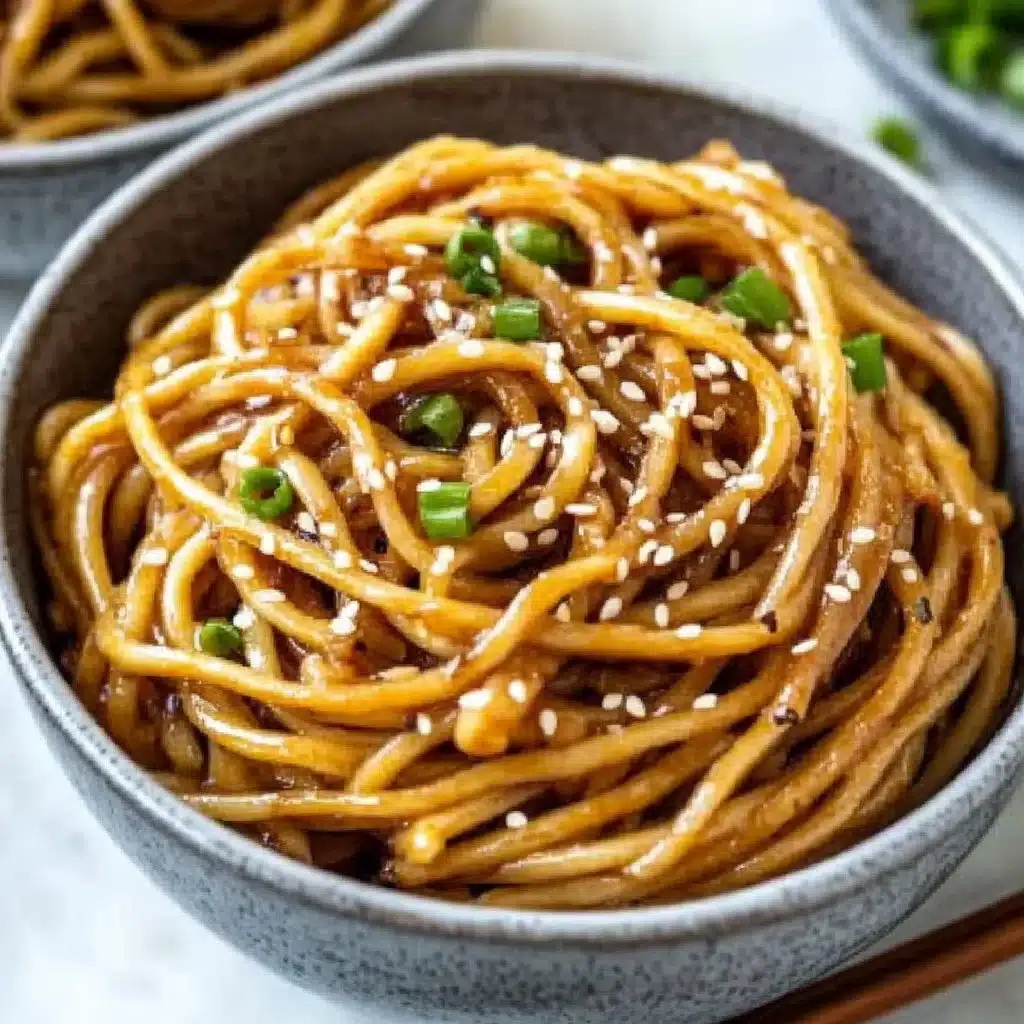
Garlic Sesame Noodles
Ingredients
Method
- Bring a large pot of water to a boil and cook the pasta according to package instructions.
- Drain the pasta and toss briefly with a drop of oil to keep them from sticking.
- Mince the garlic and heat it gently in a pan with the neutral oil until golden brown.
- Whisk together the remaining sauce ingredients and add to the pan with the garlic.
- Let simmer for 2-3 minutes until slightly thickened.
- Combine the pasta with the sauce and toss until well coated.
- Garnish with scallions or crushed peanuts before serving.
Notes
FAQs About Garlic Sesame Noodles
Can I make this ahead of time?
Yes. Make the sauce ahead and store it in the refrigerator for up to a week. Cook noodles fresh and toss just before serving to keep the texture ideal. Leftovers of combined noodles keep well for about three days in the fridge.
Is there a gluten-free option?
Absolutely. Use tamari instead of soy sauce and ensure your brown rice noodles are certified gluten-free. Most other ingredients are naturally gluten-free.
How can I make the sauce creamier without tahini?
Stir in a spoonful of creamy nut butter like peanut butter, or a splash of coconut milk for a different but silky finish. A dab of plain yogurt added off the heat can also add creaminess if you do not need vegan options.
What if I don’t have toasted sesame oil?
You can still make the dish. Substitute with a smaller amount of neutral oil and add a tablespoon of sesame seeds toasted in a dry pan to mimic some toasted flavor. The dish will be slightly different but still delicious.
How can I add more veggies?
Sauté quick-cooking vegetables in the pan after the garlic or roast hearty vegetables like cauliflower and toss them in. Greens like spinach or bok choy wilt quickly and pair naturally with the sauce.
Can I double the recipe for a gathering?
Yes. This recipe scales well. Keep sauce proportions consistent and cook noodles in batches if needed so they maintain texture.
Final Encouragement or Closing Note
I hope this Garlic Sesame Noodles helps you discover how simple and rewarding homemade cooking can be. You’ve got this. Trust the smells, taste as you go, and make small adjustments to suit your family’s preference. Every time you cook, you learn a little more about what you like and how your kitchen sings.
Conclusion
If you want to compare this version with another clear recipe, take a look at this detailed Garlic Sesame Noodles recipe on Eat With Clarity for additional tips and photos. For a quick vegan and gluten-free take that’s made to come together fast, see this Easy Garlic Sesame Noodles – 10-Minute Vegan, Gluten-free Meal.