There’s something special about Effortless Szechuan Noodles the way its aroma fills the kitchen and makes everyone wander in for a taste. The heat wakes up your senses, the savory sauce hugs every noodle, and suddenly a simple weeknight meal feels like a little celebration. Clara is right beside you here, ready to turn familiar pantry staples into something bold and comforting.
Why You’ll Love Making This Effortless Szechuan Noodles
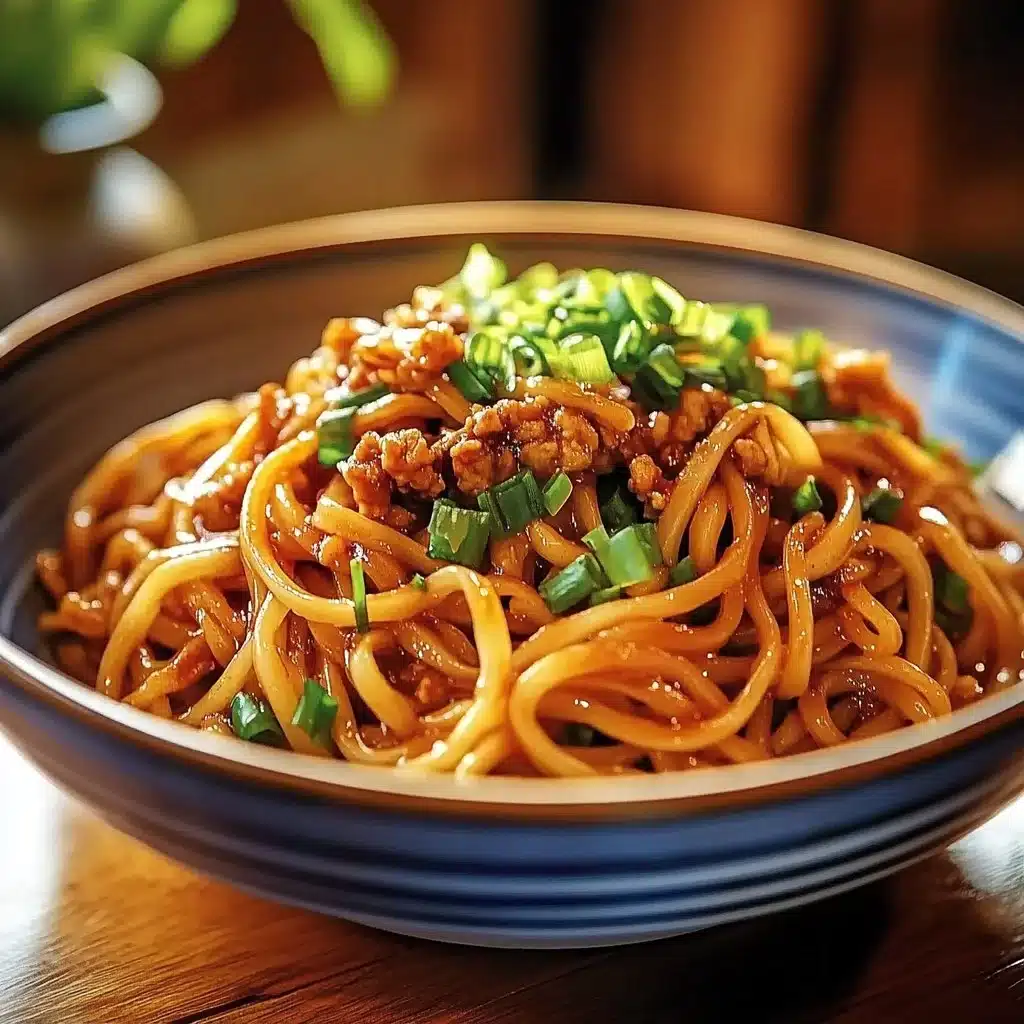
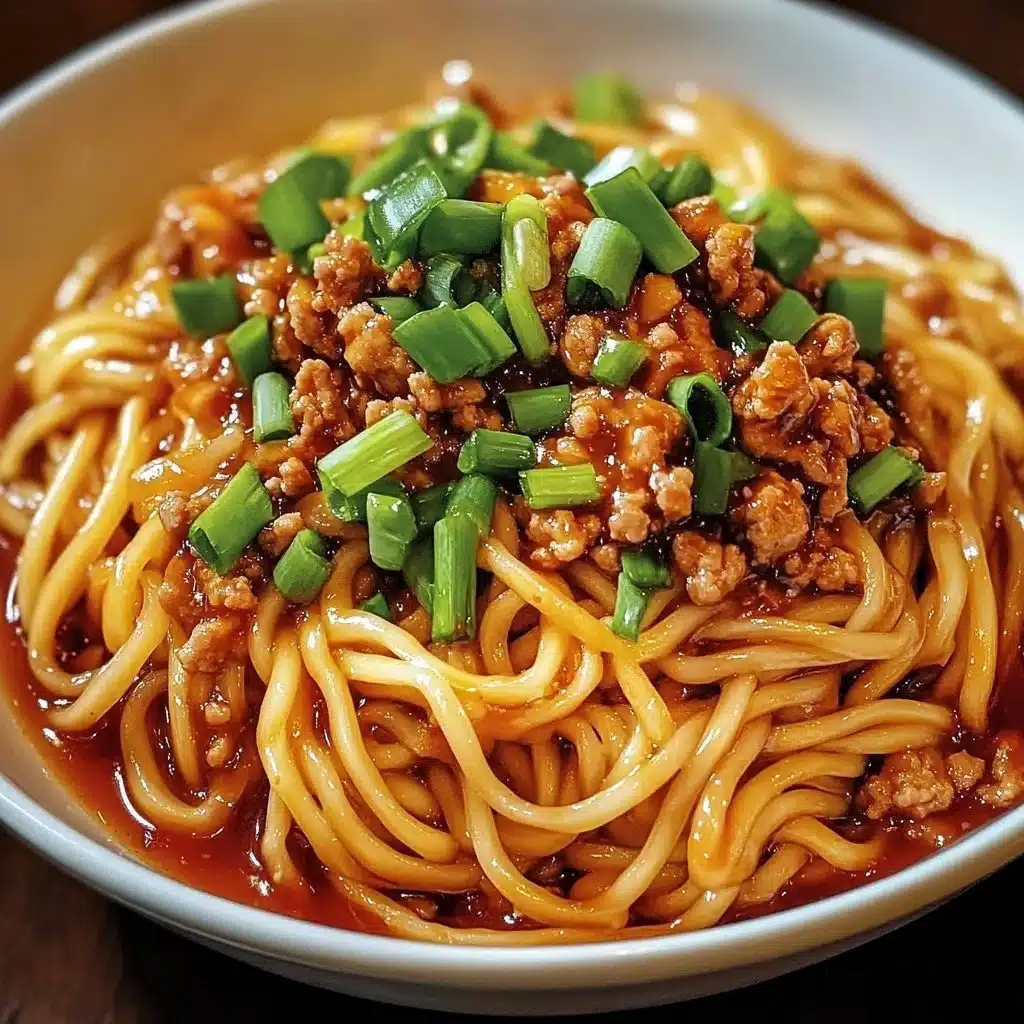
This recipe is quick, forgiving, and full of flavor. It comes together in about 20 minutes once your ingredients are ready. The sauce is tangy, savory, and spicy in a friendly way, and it clings to the noodles so every bite is balanced. You do not need fancy equipment or rare ingredients to get a restaurant-style result.
It is great for busy nights, for feeding a small crowd, or for making ahead and reheating. You can easily swap in vegetables or proteins you already have. Best of all, it teaches a few basic techniques that make other Asian-style dishes easier next time you cook. Follow Clara’s clear steps and you will feel proud of what comes off your stove.
Step-by-Step: How to Make Effortless Szechuan Noodles
“Cooking isn’t about perfection. It’s about enjoying every delicious step.”
Before you start, read the ingredient list once and have your sauce whisked together nearby. That small prep step keeps the cooking fast and calm. Put a large pot of water on to boil and lay out a cutting board. Aromas are part of the fun, so notice the fragrance of garlic and ginger as you cook.
Overview: You will cook the noodles, make the sauce, sauté aromatics and vegetables, then toss everything together in one pan. The technique is straightforward but the timing matters. Keep your pan hot and move deliberately, and the result will be glossy, spicy noodles with a bright finish.
Ingredients You’ll Need for Effortless Szechuan Noodles
8 ounces of dry noodles (spaghetti or Chinese-style wheat noodles) use what you like or have on hand.
3 cloves of garlic, finely chopped fresh garlic gives the best punch.
½ cup finely sliced green onion save a little green for garnish.
1 tablespoon of grated ginger freshly grated is bright and fragrant.
2 tablespoons of rice vinegar it brings a clean, tangy lift.
¼ cup of soy sauce use low-sodium if you prefer less salt.
1 tablespoon of hoisin sauce adds sweetness and depth.
½ cup of chicken or veggie broth stock keeps the sauce silky.
1 teaspoon sugar helps round the flavors without making it sweet.
2 tablespoons of Szechuan chili sauce or paste adjust the heat to your taste.
½ cup of trimmed snow peas crisp-tender vegetables add color and snap.
2 tablespoons of cooking oil a neutral oil like vegetable or canola works well.
Optional: crushed peanuts or sesame seeds for topping add crunch and a nutty finish.
Directions: Cooking with Confidence
- Boil a generous pot of water, toss in the noodles, and cook them per the package instructions. Drain and set aside.
Start the water early so it is ready when you need it. Salt the water lightly if you like. Cook the noodles until they are just tender, or al dente. Overcooked noodles become soft quickly when they meet the sauce, so aim for a firm bite. Drain and toss with a tiny drizzle of oil so they do not stick. - Whisk together the soy sauce, rice vinegar, Szechuan chili paste, hoisin sauce, sugar, and broth in a small bowl.
Mix this once and taste it gently. The sauce should be a little salty, a little tangy, and have a spicy edge. If it feels too sharp, add a splash more broth. If you prefer it less spicy, reduce the chili paste and add a pinch more sugar. - Heat oil in a large pan or wok over medium-high heat, add garlic and ginger, sauté for 1-2 minutes until golden.
You want the pan hot but not smoking. When the oil shimmers, add the garlic and ginger. Stir constantly so they do not burn. You are aiming for a fragrant, slightly golden look. That scent is reassuring and tells you the base flavor is ready. - Add snow peas and stir for a couple of minutes until crisp yet softened.
Snow peas cook fast. Toss them in and keep the pan moving. They should stay bright green and just tender. If using other vegetables, add them according to how long they take to cook. Harder vegetables go in first. - Incorporate the drained noodles into the wok. Pour in the sauce and stir for 2 minutes until evenly coated.
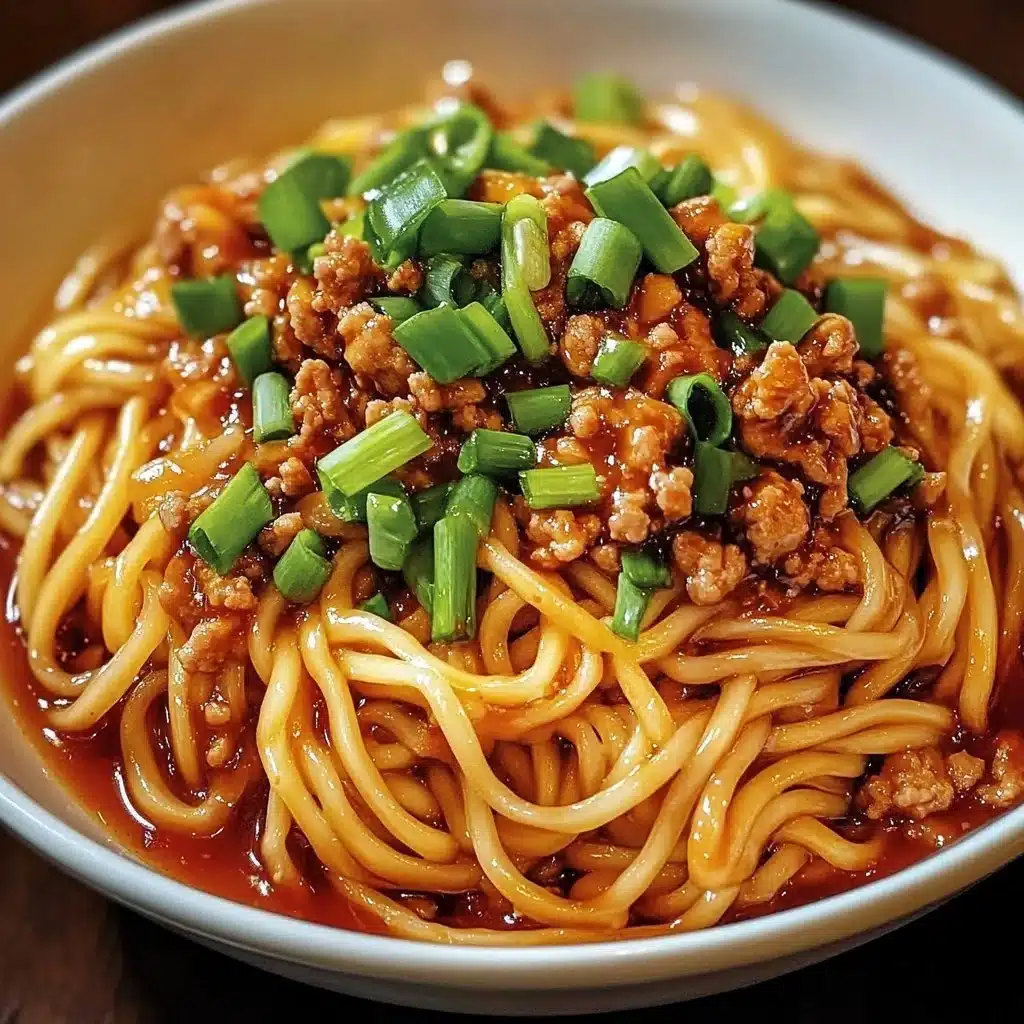
Work quickly so the noodles pick up the sauce and heat through. Use tongs or two spatulas to lift and toss. The sauce will start to cling to the noodles and look glossy. Taste a small bite and adjust salt or heat if needed. - Remove from heat, sprinkle with chopped green onions, and top with crushed peanuts or sesame seeds if desired.
Finishing off the heat keeps the noodles from cooking further and drying out. The green onions add freshness and the peanuts add textural contrast. If you like it saucier, reserve a spoonful of the sauce and add at the table. - Serve warm, allowing the aroma to fill the air before calling everyone to the table.
This is one of those dishes that smells as good as it tastes. Place bowls on the table, hand out chopsticks or forks, and enjoy the first steamy bite together. Simple plating can be just as satisfying as fancy presentation.
How to Serve Effortless Szechuan Noodles and Make It Shine
Serve these noodles in shallow bowls so the sauce pools just enough for each bite. Sprinkle extra sliced green onions on top for color. A small drizzle of toasted sesame oil right before serving adds a warm, nutty note. If you like acid, a wedge of lime on the side brightens the flavors.
Pair this with something cool and crunchy like a simple cucumber salad or lightly dressed shredded cabbage. A mellow side, such as steamed broccoli or a soft-boiled egg, balances the heat nicely. For protein, quick pan-seared tofu, grilled chicken, or thinly sliced steak work well. Keep portions modest so the bold flavors of the noodles remain the star.
Presentation tip: twist a portion of noodles around a fork or chopsticks before placing in the bowl for tidy serving. Scatter a few crushed peanuts or toasted sesame seeds on top for contrast. The dish is homely and bold, so a little careful plating goes a long way.
How to Store Effortless Szechuan Noodles for Later
To store: cool the noodles quickly and place in an airtight container. They will keep in the refrigerator for up to 3 days. If you expect to keep them longer, store the sauce and noodles separately. That preserves the texture better.
To reheat: add a splash of broth or water to loosen the sauce and heat gently in a skillet over medium heat. Toss frequently until warmed through. Microwaving works in a pinch, but heat in short bursts and stir between intervals to avoid drying out. If the noodles thicken, stir in a little extra liquid to bring them back to glossy tenderness.
Freezing is not recommended for the noodles themselves because the texture changes. If you must freeze, cook and freeze the sauce alone, and combine with fresh noodles after thawing.
Discover More Nourishing Recipes
Head over to our Recipe Trends page and uncover a world of fresh, plant-forward ideas that fit right into your daily routine. From vibrant seasonal flavors to calming, wholesome dishes, each recipe is designed to spark inspiration and bring a sense of balance to your kitchen. Find comfort, joy, and connection in every meal while exploring what’s trending right now.
Clara’s Tips for Success
- Prep everything first. Chop garlic, grate ginger, slice green onions, and whisk the sauce before you turn on the heat. A calm mise en place makes the cooking smooth.
- Keep the pan hot and keep moving. Szechuan-inspired flavors are built quickly in a hot wok. Stir often so nothing burns.
- Taste as you go. Small adjustments to acid, salt, or sweetness make a big difference. If it tastes flat, add a little rice vinegar or soy.
- Use fresh aromatics. Fresh ginger and garlic provide brightness you will notice immediately. Powdered substitutes are okay in a pinch but are not the same.
- Adjust the heat to your household. Start with one tablespoon of chili paste and add more at the table for those who like more fire.
Simple Variations to Try
- Protein boost: Add sliced chicken breast, thin pork strips, or shrimp. Marinate briefly in a teaspoon of soy and a sprinkle of cornstarch, then cook first and set aside before proceeding with the steps. Return the protein to the pan with the noodles for a complete meal.
- Veg-forward: Double the vegetables. Use bell peppers, shredded carrots, baby bok choy, or snap peas. Add heartier vegetables earlier so they have time to soften.
- Vegetarian swap: Use mushroom broth or water instead of chicken broth and replace any animal protein with firm tofu cubes. Press and pan-fry the tofu until golden before tossing it in.
- Peanut-sesame twist: Stir in a tablespoon of natural peanut butter or tahini into the sauce. It adds silkiness and a toasty note. Thin with a splash of broth if it gets too thick.
- Mild version: Reduce the Szechuan chili paste and add a teaspoon of chili oil at the end so diners can control their spice. The aroma of chili oil is lovely without making the entire batch fiery.
FAQs About Effortless Szechuan Noodles
Can I make this ahead of time?
Yes. Prepare the sauce and noodles separately, and keep them refrigerated. Combine and reheat gently before serving. This keeps textures fresher than storing everything together.
How spicy will this be?
It depends on the chili paste you use. Start with less if you are unsure. You can always add more at the table. The flavor is layered, so even a small amount of paste contributes color and warmth.
What noodles work best?
Chinese-style wheat noodles are ideal for texture and flavor, but regular spaghetti is a fine, widely available substitute. Rice noodles work too, though they absorb sauce differently. Match the noodle to the texture you enjoy.
Can I freeze leftovers?
I do not recommend freezing the cooked noodles. The texture changes on thawing. Freeze the sauce on its own if you want a convenient make-ahead option and combine with fresh noodles later.
Is there a gluten-free option?
Yes. Use tamari or a gluten-free soy sauce and swap in rice noodles. Make sure your hoisin or chili paste is labeled gluten-free, as some commercial products contain wheat.
Final Encouragement
Cooking a bold, flavorful dish like Effortless Szechuan Noodles is about small, confident choices. Keep your pan hot, taste often, and remember that slight adjustments are part of the process. The first time you make it you might tweak the heat or the tang, and that is how you make the recipe your own. Clara believes you can cook this with ease, and the scent of garlic, ginger, and chili will be your proof.
Conclusion
I hope this Effortless Szechuan Noodles recipe helps you discover how simple and rewarding homemade cooking can be. You’ve got this, and every time you make it you will find little ways to make it truly yours.
For another quick spicy noodle inspiration, see Super Easy Spicy Szechuan Beef Noodles In Under 30 Minutes. If you want a slightly different take with clear step photos, check Schezwan Noodles – Cook With Manali.
Effortless Szechuan Noodles
Ingredients
Method
- Boil a generous pot of water, toss in the noodles, and cook them per the package instructions. Drain and set aside.
- Start the water early so it is ready when you need it. Salt the water lightly if you like. Cook the noodles until they are just tender, or al dente. Overcooked noodles become soft quickly when they meet the sauce, so aim for a firm bite. Drain and toss with a tiny drizzle of oil so they do not stick.
- Whisk together the soy sauce, rice vinegar, Szechuan chili paste, hoisin sauce, sugar, and broth in a small bowl.
- Mix this once and taste it gently. The sauce should be a little salty, a little tangy, and have a spicy edge. If it feels too sharp, add a splash more broth. If you prefer it less spicy, reduce the chili paste and add a pinch more sugar.
- Heat oil in a large pan or wok over medium-high heat, add garlic and ginger, sauté for 1-2 minutes until golden.
- You want the pan hot but not smoking. When the oil shimmers, add the garlic and ginger. Stir constantly so they do not burn.
- Add snow peas and stir for a couple of minutes until crisp yet softened.
- Incorporate the drained noodles into the wok. Pour in the sauce and stir for 2 minutes until evenly coated.
- Taste a small bite and adjust salt or heat if needed.
- Remove from heat, sprinkle with chopped green onions, and top with crushed peanuts or sesame seeds if desired.
- Serve warm, allowing the aroma to fill the air before calling everyone to the table.