Cabbage Boil is my answer to those nights when you are tired, hungry, and absolutely not in the mood to babysit dinner. You toss a few simple things into one big pot, let it bubble away, and suddenly the whole kitchen smells like comfort. I started making it during a stretch of cold, busy weeks, and it quickly turned into a repeat meal because it is warm, filling, and forgiving. If you have ever stared into the fridge hoping food would magically cook itself, this is for you. And if you think cabbage is boring, I promise this will change your mind. 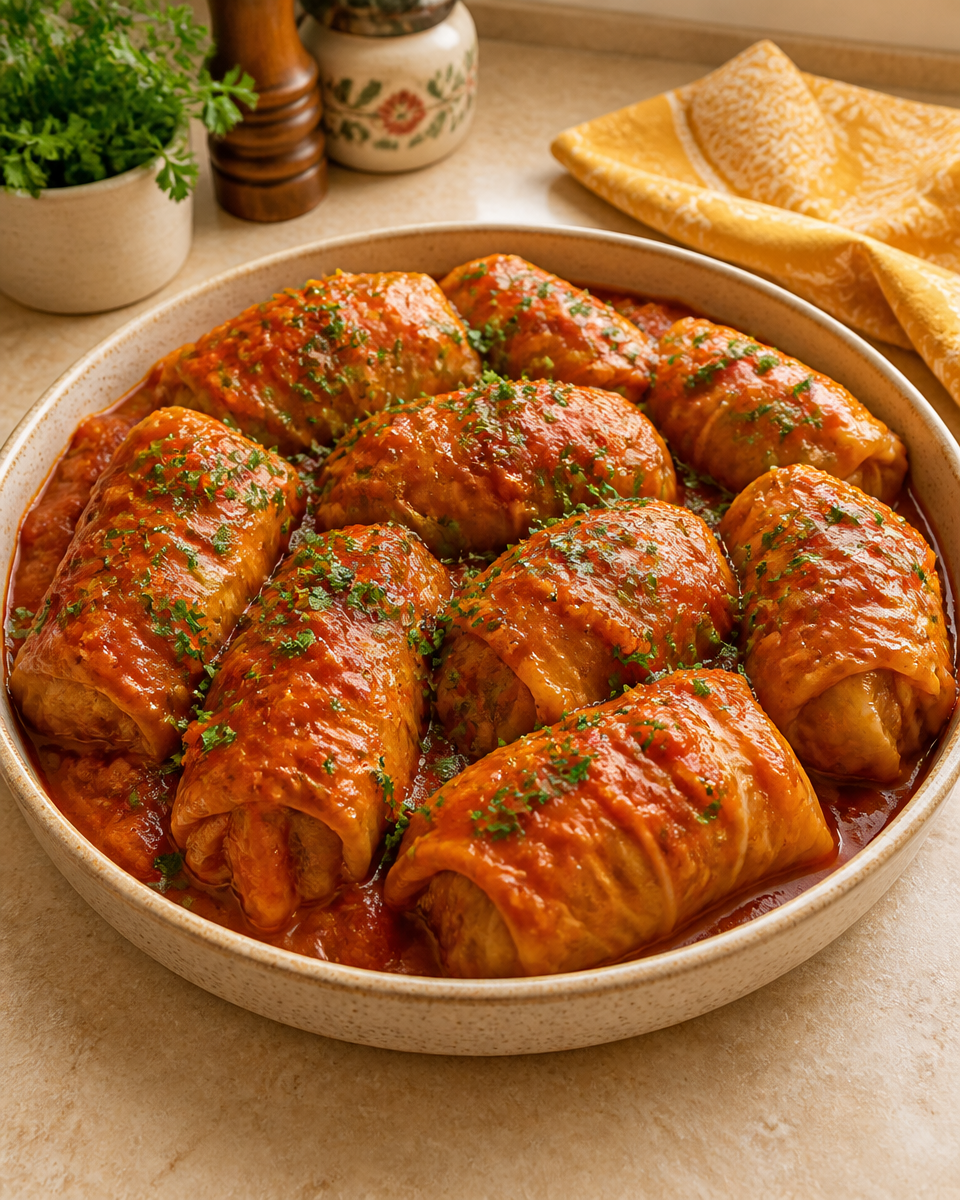
3 Mistakes to Avoid When Cooking Cabbage
I used to think cabbage was just cabbage. Then I wondered why it sometimes came out harsh, watery, or kind of sad. After a lot of trial and error, these are the big mistakes that can mess with the flavor and texture, especially if you are making a Cabbage Boil for the family.
1) Overcooking it until it turns limp
Cabbage can go from tender to mushy fast. The trick is to cook it until it is soft but still has a little bite. If you are boiling, check it earlier than you think. I start checking around the 10 to 12 minute mark once the cabbage goes in, depending on how big the pieces are.
2) Forgetting salt and seasoning early
Cabbage really needs help from salt, pepper, and something flavorful in the pot. If you wait until the end, it tastes flat. I like seasoning the broth or cooking water first, then adding cabbage so it soaks up that flavor while it cooks.
3) Cutting the pieces too small
If you shred it into tiny bits and boil it, it can disappear into the pot and turn watery. For a boil, cut cabbage into wedges or big chunks so it stays hearty and satisfying. Plus, it is easier to serve without it turning into a pile of noodles.
Quick tip I learned the hard way: if your pot smells a little strong while cabbage cooks, that is normal. But if it smells bitter, it is usually overcooked. 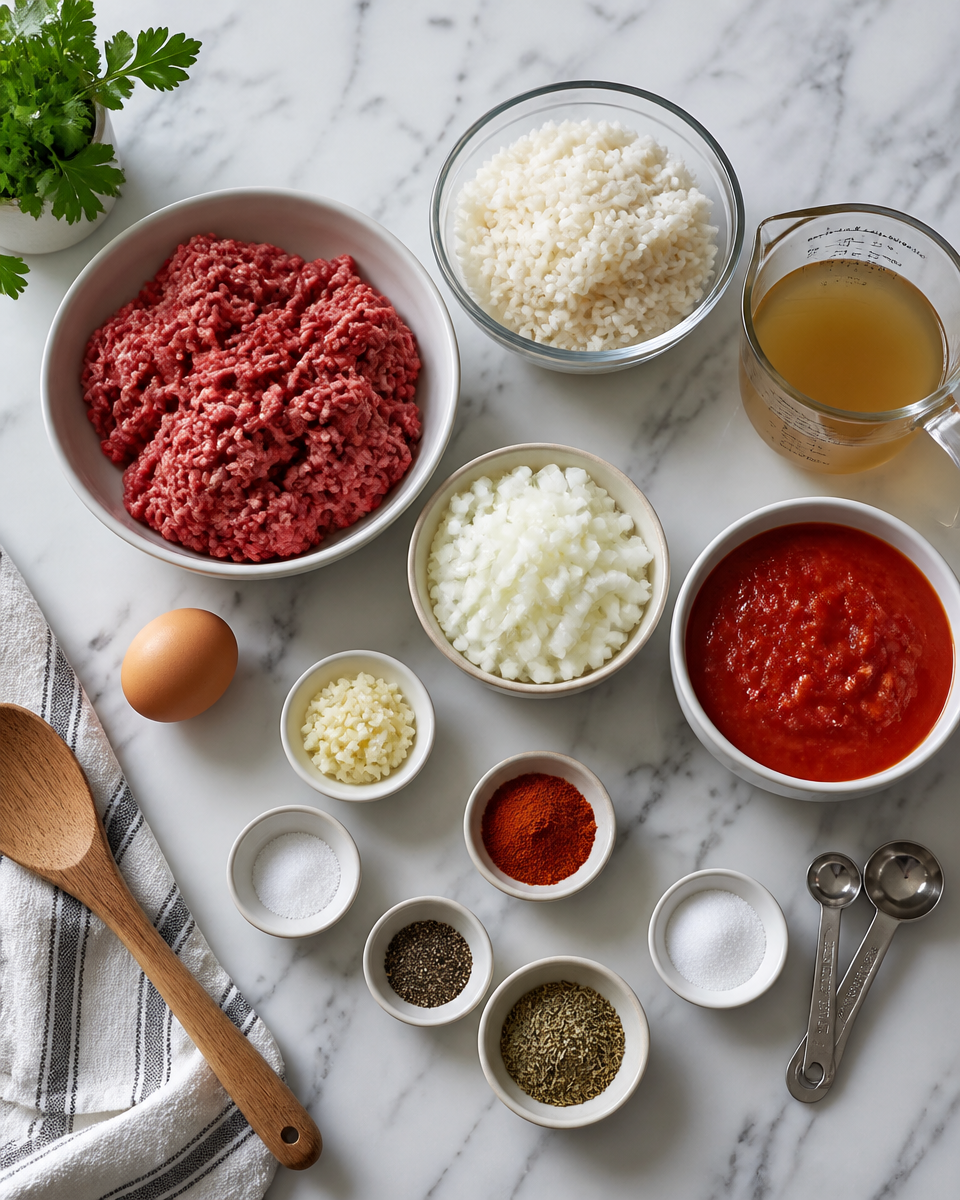
Authentic Polish Golumpki Recipe
Before we get to stuffed cabbage, I want to share the cozy base recipe I use for an Authentic Polish Golumpki Recipe filling. Even if you do not roll a single leaf, this mixture is great in a bowl with cabbage on the side, or tucked into peppers, or even turned into meatballs. When I am already doing a Cabbage Boil, I like making this filling at the same time because it uses similar ingredients and keeps the vibe the same: simple, filling, comforting.
Here is what I use most often, written the way I actually cook it at home. This makes enough filling for about 10 to 12 medium rolls, depending on your cabbage leaves.
- Ground meat: 1 to 1.5 pounds, beef or a beef and pork mix
- Cooked rice: about 1 cup, cooled a bit so it does not turn gummy
- Onion: 1 medium, finely chopped
- Garlic: 2 cloves, minced
- Egg: 1, helps it hold together
- Salt and pepper: be generous, cabbage needs it
- Paprika: 1 teaspoon, optional but cozy
- Marjoram or parsley: a spoonful, if you have it
How I make the filling:
I cook the onion in a little oil until it looks soft and smells sweet, then I add the garlic for about 30 seconds. I let that cool for a minute so it does not cook the egg later. In a big bowl, I mix the meat, rice, onion and garlic, egg, and seasonings. I mix it with clean hands because it is honestly the easiest way to get it evenly combined without turning it into paste. The mixture should feel moist but not wet. If it looks too loose, add a bit more rice. If it looks dry, a splash of tomato sauce later fixes everything.
What makes it feel like an Authentic Polish Golumpki Recipe to me is the balance: not too heavy on rice, not too heavy on meat, and seasoned enough that you can taste it even after it is wrapped in cabbage and sauce. 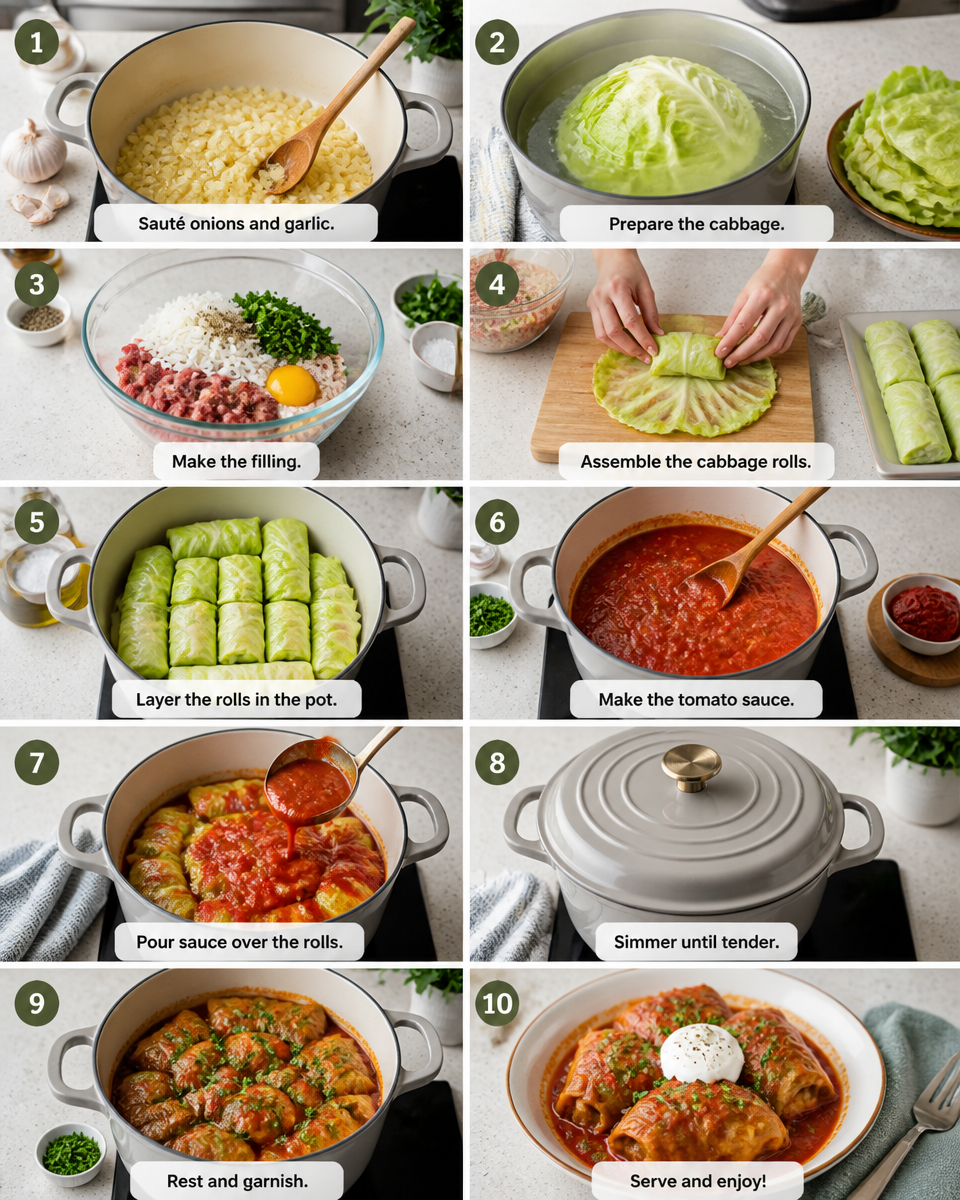
Authentic Polish Golumpki (Stuffed Cabbage)
This is the part that feels like a little weekend project, in the best way. Stuffed cabbage is not hard, it just takes a bit of time. I like making it when I want something that tastes like it took effort, even if the steps are pretty straightforward. And yes, it pairs beautifully with a Cabbage Boil meal plan if you are feeding a crowd or stocking the fridge for a few days.
How I prep the cabbage leaves without stress
I start with a whole head of green cabbage. I cut out the core with a small knife, then I put the whole head into a big pot of simmering water. As the outer leaves soften, I peel them off with tongs and set them on a tray. Keep going until you have enough leaves. If some leaves tear, do not panic. You can patch a tear with a smaller piece of leaf like a little cabbage bandage.
Once the leaves are cool enough to handle, I trim the thick rib at the bottom of each leaf. Just shave it down a bit so it folds easier. Do not cut the whole thing out or the leaf can fall apart.
Rolling and cooking:
I place a leaf on the counter, add a scoop of filling near the bottom, then fold the sides in and roll it up. Think burrito, just softer. I place the rolls seam side down in a baking dish or a pot.
For sauce, I keep it simple: tomato sauce, a little broth or water, salt, pepper, and sometimes a pinch of sugar if the tomatoes taste sharp. Pour it over the rolls, cover, and bake around 350 F until the meat is cooked through and the cabbage is tender, usually about 60 to 75 minutes depending on size.
If you are nervous about doneness, use a thermometer. I aim for 160 F in the center for beef or pork mixtures. It takes the guessing out and keeps things safe and juicy.
One more real life note: stuffed cabbage often tastes even better the next day. The flavors settle down and get cozy.
Tips for Preparing Cabbage
Cabbage is one of those ingredients that feels cheap and plain until you learn a few tricks. Then it becomes the thing you keep buying because it lasts a while and works in so many meals.
My go to prep tips:
Pick a heavy head. If it feels heavy for its size, it usually has crisp leaves and better texture.
Wash the outside even if you peel a layer. Cabbage can hold onto grit.
Cut with a sharp knife. A dull one makes the leaves tear and your hands work harder.
Keep it chunky for boiling. Wedges or big squares hold up well.
Store it right. Wrap leftover cabbage tightly and keep it cold. It can last close to a week, sometimes longer.
If you are making Cabbage Boil, here is the easy way I build the pot so it tastes like more than boiled vegetables. Start with flavorful stuff first, then add cabbage later:
1) Simmer your base: broth or salted water, plus sausage or ham if you use it.
2) Add potatoes and carrots first because they take longer.
3) Add cabbage near the end so it stays sweet and tender.
And if you want that extra comfort factor, a small pat of butter stirred into the pot at the end is a big deal. It makes the whole thing taste richer without much effort.
Benefits of Cooking with Cabbage
I am not a nutrition professor, but I do like knowing when a comfort food has some real benefits. Cabbage is one of those ingredients that quietly does a lot for you while still tasting like home. It is also budget friendly, which matters when you are trying to cook real meals without spending a fortune.
Here are a few reasons I keep it in my regular rotation:
It is naturally low in calories but still filling, especially in soups and boils.
It brings fiber, which helps you feel satisfied and keeps meals from feeling too heavy.
It has vitamin C and other antioxidants, and cooking it gently still leaves plenty of goodness.
It is versatile: boil it, roast it, sauté it, stuff it, or shred it for slaw.
It is easy on the grocery budget and lasts longer than a lot of other veggies.
Also, if you are cooking for someone who thinks they hate cabbage, a well seasoned Cabbage Boil is a sneaky way to win them over. The cabbage soaks up the broth flavor and comes out mild and slightly sweet.
Common Questions
Can I make Cabbage Boil ahead of time?
Yes. It reheats well. I store it in the fridge and warm it gently on the stove. If it thickens, I add a splash of broth or water.
What protein works best in a boil?
Smoked sausage is the easiest because it adds flavor fast. Ham is great too. If you want a lighter option, shredded chicken works, but add extra seasoning to keep the broth bold.
Why does my cabbage taste bitter?
Usually it is overcooked or under seasoned. Keep the pieces bigger, cook it less, and season the pot early with salt and pepper. A little butter at the end can mellow it out too.
Do I have to use rice in golumpki?
No. You can swap in cooked barley, quinoa, or even finely chopped mushrooms. It will not be classic, but it will still be tasty and filling.
How do I keep stuffed cabbage from falling apart?
Trim the thick rib so the leaves fold easily, roll them snug, and place them seam side down. Cover while baking so they stay soft and hold their shape.
A cozy final note before you start cooking
If you take anything from this post, let it be this: cabbage does not need fancy treatment to be delicious. Keep it well seasoned, do not overcook it, and lean into the comfort food vibe. Whether you go all in on stuffed cabbage or keep it simple with a warm pot of Cabbage Boil, you will end up with a meal that feels like a hug. If you try it this week, I hope you come back and tell me what you added to your pot.
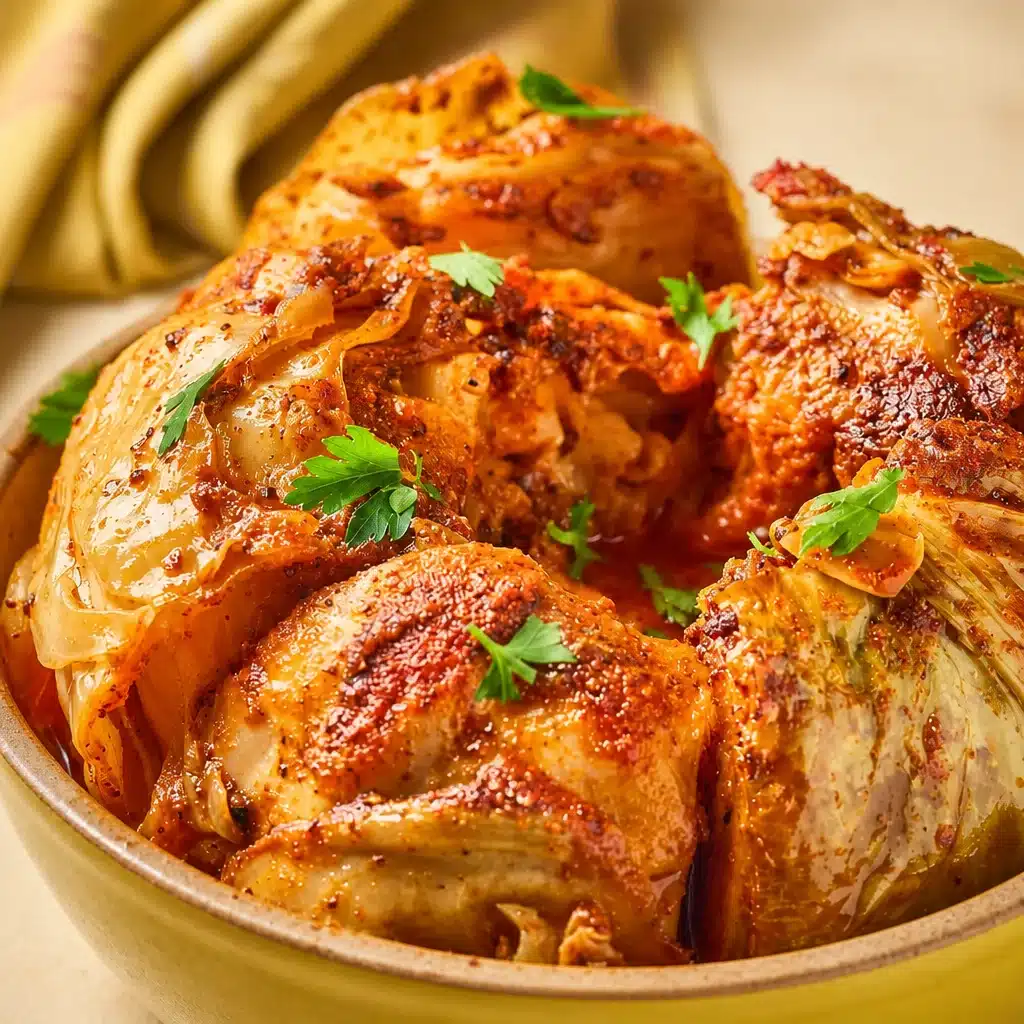
Cabbage Boil
Ingredients
Method
- Begin by simmering your broth or salted water in a large pot.
- Add chopped potatoes and carrots to the pot.
- After 10-12 minutes, check the cabbage for doneness; it should be tender but still have a little bite.
- Add the cabbage in wedges or chunks to the pot during the last few minutes so it cooks through without becoming mushy.
- If desired, stir in a small pat of butter at the end for added flavor.