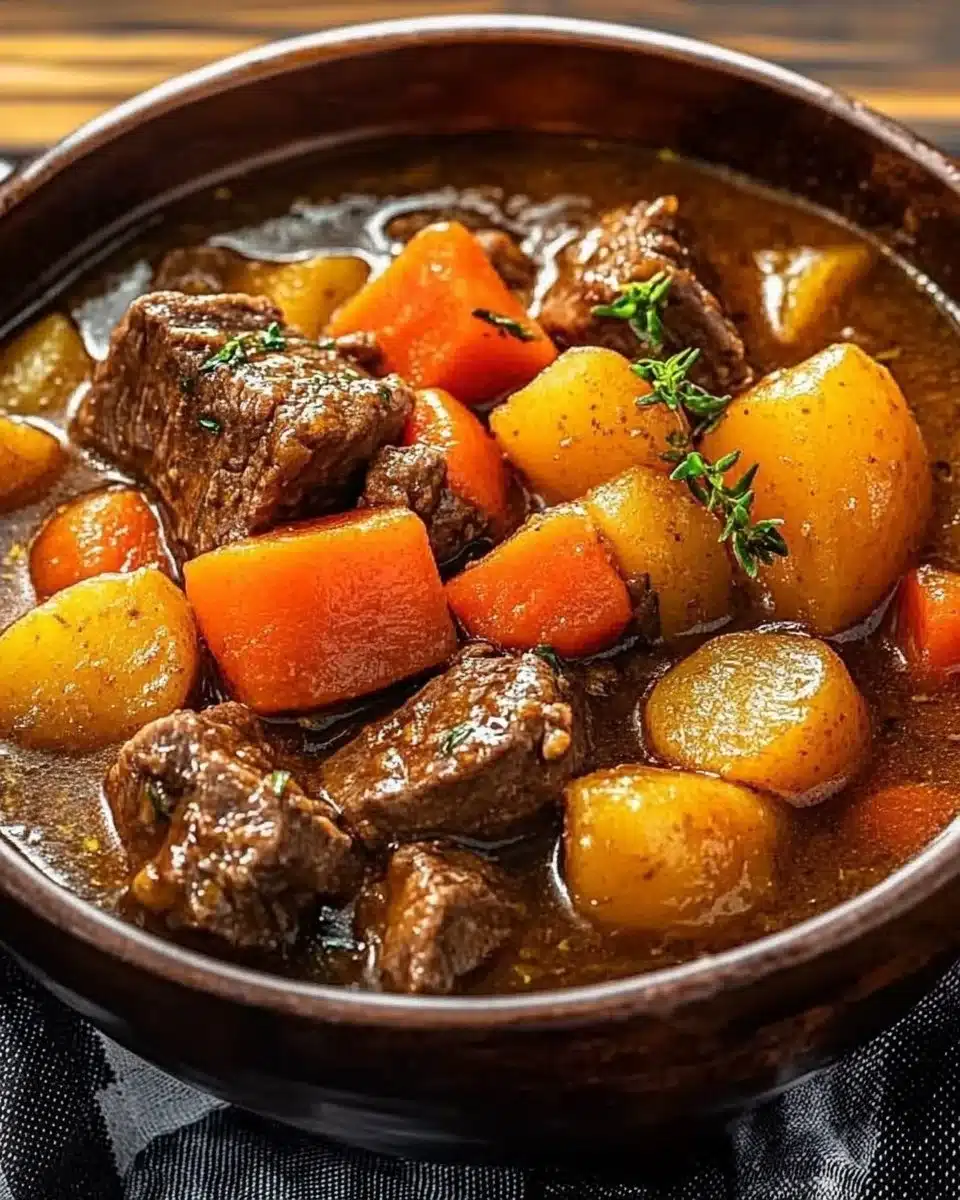
There’s something special about Classic Old Fashioned Beef Stew the way its aroma fills the kitchen and makes everyone wander in for a taste. It feels like a warm hug on a plate: deep, savory, and plain comforting. Clara here, and I’ll walk you through this stew one confident, friendly step at a time. If you love hands-off comfort, you might also enjoy my slow-cooked version, like this slow-cooked crockpot beef stew for another cozy dinner idea.
Why You’ll Love Making This Classic Old Fashioned Beef Stew
This stew is honest food. It uses simple ingredients and rewarding technique to turn affordable beef chuck into tender, fork-ready pieces surrounded by a thick, flavorful broth. It cooks slowly enough to draw out deep flavors but simply enough that a beginner can follow along and feel proud.
It’s also forgiving. If you need to swap a vegetable or simmer for a few extra minutes, the dish will respond with more comfort, not disaster. Make it for a busy Sunday or a quiet weeknight and everyone will feel like they’ve been served something special.
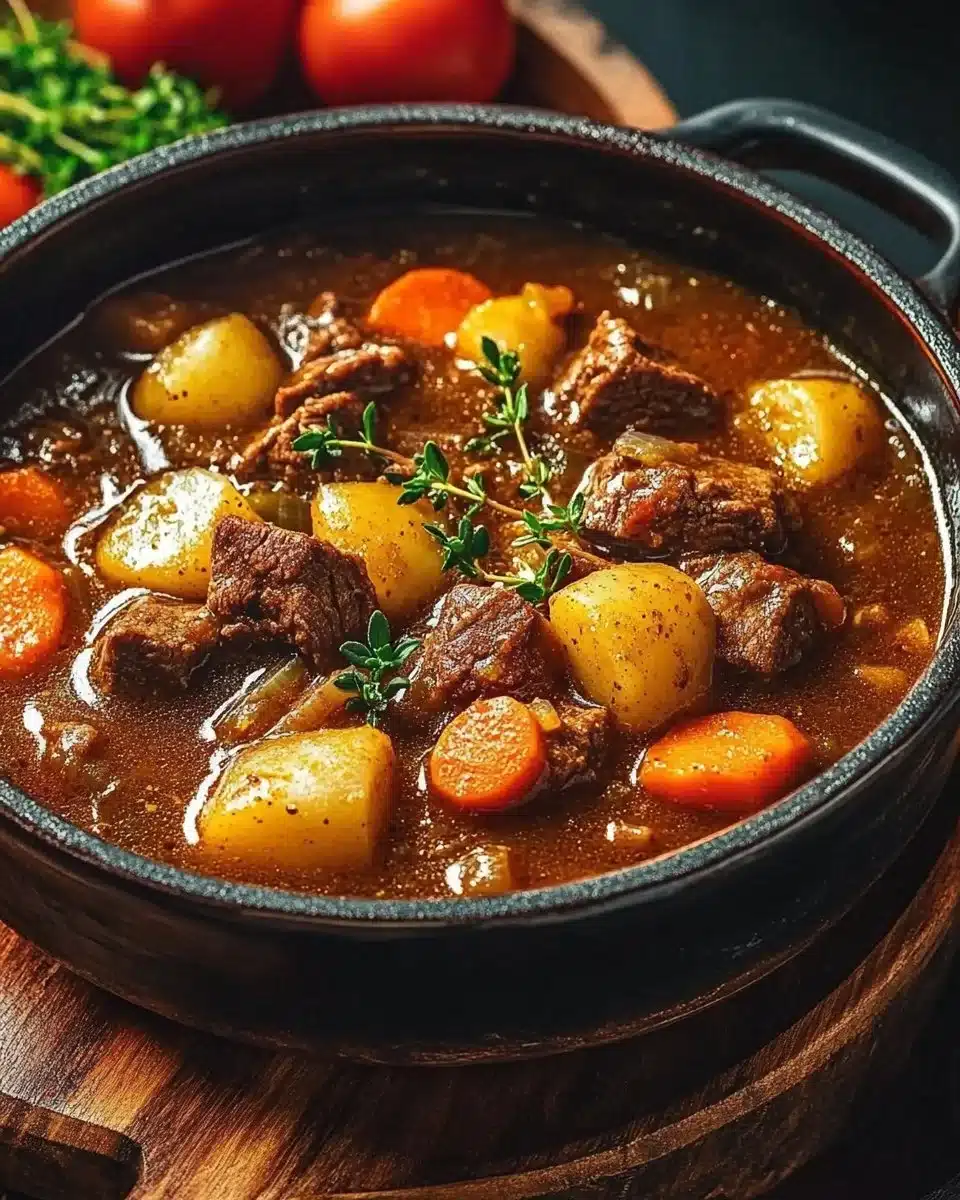
Step-by-Step: How to Make Classic Old Fashioned Beef Stew
“Cooking isn’t about perfection. It’s about enjoying every delicious step.”
Before we dive into the ingredients and the exact steps, take a breath and gather your tools. You’ll need a large, heavy pot or Dutch oven with a tight-fitting lid, a wooden spoon, a sharp knife, and a good cutting board. Lay everything out. Cooking is easier and more enjoyable when you’re organized.
Overview: We will brown the beef to build flavor, sauté aromatics, add tomato paste to deepen the base, then simmer with broth and vegetables until everything is tender and cozy.
Ingredients You’ll Need for Classic Old Fashioned Beef Stew
2 lbs beef chuck, cut into 1-inch cubes (chuck has great flavor and becomes tender when simmered)
4 cups beef broth (use low-sodium if you want control over salt)
4 medium carrots, sliced (cut on the bias for nicer texture and appearance)
3 medium potatoes, cubed (Yukon Gold or russet both work well)
1 medium onion, chopped (yellow or sweet onion gives good base flavor)
2 cloves garlic, minced (fresh garlic brightens the stew)
2 tablespoons tomato paste (concentrated flavor, don’t skip)
1 teaspoon dried thyme (or 1 tablespoon fresh, chopped)
1 bay leaf (remove before serving)
Salt and pepper to taste (season in layers)
2 tablespoons vegetable oil (or use real butter for a richer finish)
Notes: Use fresh herbs when possible and taste as you go. Good beef broth makes a big difference, but a mix of broth and a little water is fine if that’s what you have.
Directions: Cooking with Confidence
- Heat the vegetable oil in a large pot over medium-high heat. Sear the beef cubes in batches until browned, then remove and set aside.
- Do not crowd the pan. Searing develops a golden crust and deep flavor. Each cube should have a dark edge; that caramelization adds complexity to the stew. Work in batches so the pot stays hot and the meat browns instead of steams.
- In the same pot, add onion and garlic, and sauté until softened. Stir in the tomato paste and return the beef to the pot.
- Scrape up the browned bits from the bottom of the pot with your spoon as you cook the onions. Those bits are flavor gold. Cook the tomato paste for a minute or two until it darkens slightly; that deepens the stew’s taste.
- Add beef broth, carrots, potatoes, thyme, bay leaf, salt, and pepper. Bring to a boil, reduce heat to low, cover, and simmer for 1.5 to 2 hours until the beef is tender.
- Keep the heat low and steady. A gentle simmer is what breaks down connective tissue in the beef and makes it melt-in-your-mouth tender. Check once or twice, give the pot a gentle stir, and skim off any foam if you see it.
- Remove the bay leaf before serving. Adjust seasoning as needed and serve hot with bread.
- Taste before serving. Salt and pepper at the end help the flavors pop. A squeeze of lemon or a splash of vinegar can brighten the stew if it feels flat. Serve steaming hot, and don’t forget a slice of crusty bread to soak up that lovely broth.
How to Serve Classic Old Fashioned Beef Stew and Make It Shine
This stew is beautiful in its simplicity. Serve it in deep bowls so the steam and aroma are part of the experience. Spoon the beef and vegetables first, then ladle the rich broth until it almost reaches the rim.
A wedge of crusty bread or a warm dinner roll is perfect for dipping. If you want something creamy on the side, pair the stew with old-fashioned baked macaroni and cheese for a nostalgic, filling meal. Try my favorite version of old-fashioned baked macaroni and cheese alongside the stew for a cozy spread.
For a finishing touch, scatter a little chopped fresh parsley over the stew. It brightens the bowl and adds a hint of color that looks as good as it tastes.
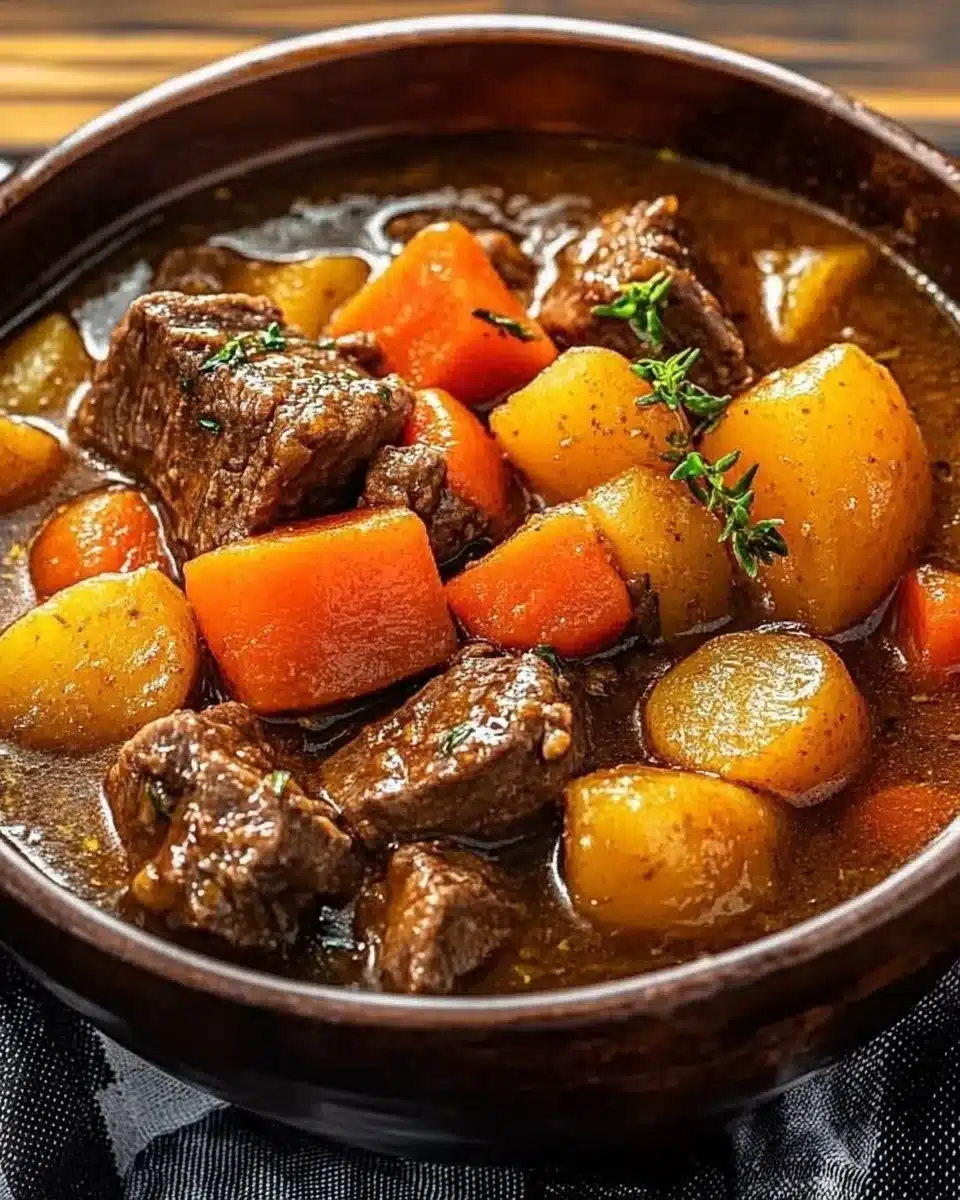
How to Store Classic Old Fashioned Beef Stew for Later
Cool the stew at room temperature for no more than two hours, then transfer it to airtight containers. Refrigerate for up to 3 to 4 days. The flavors often improve overnight as everything relaxes and melds.
For longer storage, freeze the stew in meal-sized portions. Use freezer-safe containers or heavy-duty freezer bags, and leave a little room for expansion. Thaw overnight in the fridge before reheating.
Reheating: Warm on the stovetop over low heat, stirring occasionally, until warmed through. If the stew seems thick after refrigeration, add a splash of broth or water while reheating. If frozen, thaw completely and reheat slowly so the meat stays tender.
Clara’s Tips for Success
- Brown the beef in small batches. It’s tempting to rush, but browning adds a deep, savory base that makes the whole stew taste richer.
- Use beef chuck for tenderness. It has the right balance of fat and connective tissue that breaks down into silky, fork-tender meat.
- Don’t skip the tomato paste step. It adds subtle acidity and umami that rounds out the broth. Cook it a little with the onions until it darkens for best flavor.
- Taste and adjust at the end. Salt, pepper, and a little acid like lemon or vinegar can bring the whole dish to life.
- Leftover stew is a gift. The next day the flavors settle and taste even better plan to make a little extra if you can.
Simple Variations to Try
- Hearty Red Wine Twist: Add 1 cup of red wine when you return the beef to the pot and let it reduce for 5 minutes before adding the broth. The wine deepens flavor and adds richness.
- Mushrooms and Pearl Onions: Sauté sliced mushrooms and add them with the carrots for an earthy boost. Add pearl onions in the last 30 minutes so they keep some texture.
- Thick and Stewy: If you like a thicker gravy, mash a few cooked potato cubes in the pot or mix 1 tablespoon cornstarch with 2 tablespoons cold water and stir it in during the last 10 minutes of simmering.
- Lighter Veg Mix: Swap half the potatoes for turnips or parsnips for a slightly sweet, root-vegetable twist.
- Seafood Companion: If you want a contrasting plate, serve this beef stew with a lighter protein on the side; for example, try pairing with simple fish cakes like these old-fashioned salmon patties for a different texture and a homespun touch.
Why Slow Simmering Matters
When you simmer stew slowly, you give the tough fibers in the meat time to break down. Collagen converts into gelatin, which thickens the broth naturally and gives that silky mouthfeel that makes stew so comforting.
Patience is a cook’s superpower here. A steady, low simmer for 90 to 120 minutes is better than a high boil. Keep the lid slightly askew if you want a slightly thicker sauce, or sealed if you prefer more broth.
How to Know the Beef Is Done
Use a fork. It’s simple and reliable. The beef should feel tender and pull apart with a fork without resistance. If the meat still feels firm, simmer longer and check again after 20 to 30 minutes.
Also check vegetables. Carrots and potatoes should be tender but not falling apart unless you like a mashier stew. Texture is a personal preference, so cook to what feels right for you.
Flavor Building Beyond the Recipe
Layering flavors is the secret to a stew that sings. Browning meat, cooking tomato paste, seasoning in stages, and using fresh herbs at the end all contribute to a balanced pot.
Don’t be afraid to add a single splash of Worcestershire sauce or soy sauce if you want more depth. A small amount goes a long way and can add umami without changing the character of the dish.
Equipment Notes: What Works Best
A heavy-bottomed pot or Dutch oven gives even heat and helps you achieve consistent browning. If you don’t have one, use the heaviest pot you own. A tight-fitting lid traps steam and helps stabilize the simmer.
A good chef’s knife and steady cutting board will make prepping faster and safer. If your knife is dull, take a moment to sharpen it first. It makes a big difference in the kitchen.
Troubleshooting Common Issues
- Stew is too thin: Simmer uncovered a little longer to reduce the liquid, or mash a few potato pieces into the broth to naturally thicken it. A cornstarch slurry works, too.
- Stew lacks depth: Double-check you browned the meat well. Add a splash of Worcestershire sauce or a teaspoon of soy sauce. Finish with a squeeze of lemon if it needs brightness.
- Meat is tough: Simmer longer. Toughness is usually from undercooked connective tissue. Keep the heat low and check again.
- Vegetables are falling apart: Add them later in the cooking time next time, or chop them larger so they hold their shape.
FAQs About Classic Old Fashioned Beef Stew
Can I make this ahead of time?
Yes. This recipe keeps beautifully. Make it a day ahead and reheat gently before serving. The flavors often deepen overnight and taste even better.
Can I use a different cut of beef?
You can, but choose a cut with some marbling or connective tissue. Beef chuck is ideal. Lean cuts like sirloin can dry out if overcooked. If you do use leaner beef, watch the cooking time and consider adding a bit more broth.
Is there a vegetarian version?
For a vegetarian take, use mushrooms, root vegetables, and a plant-based broth. Add lentils or barley for protein and body. The technique of layering flavor stays the same.
How do I thicken the stew without cornstarch?
Mash some of the potatoes or a few cooked carrots into the broth to thicken naturally. Reducing the liquid by simmering uncovered also helps.
Can I use fresh herbs instead of dried?
Yes. Use about three times the amount of fresh herbs as dried. Add hearty herbs like rosemary or thyme early in cooking; add delicate herbs like parsley at the end for freshness.
Serving for a Crowd
If you are feeding a group, this recipe scales well. Double the ingredients and use a large Dutch oven or two pots. Keep the heat gentle and stir carefully to prevent sticking. Stew can be made ahead and held in a warm oven set to low just before serving.
If you’re bringing stew to a potluck, pack it in a slow cooker to keep it warm and to let guests serve themselves. Provide slices of bread and a ladle, and encourage people to garnish with fresh herbs.
Pairing Suggestions
- Bread: Crusty baguette, soda bread, or an onion roll all work well. Bread is great for mopping up the broth.
- Vegetables: A simple green salad dressed with a sharp vinaigrette cuts through the stew’s richness. Steamed green beans or roasted Brussels sprouts are good cooked sides.
- Wine: A medium-bodied red like Merlot or a classic Côtes du Rhône matches the stew’s savory profile.
The Joy of Leftovers
Leftover stew reheats beautifully. On day two, consider making shepherd’s pie with leftover stew by topping it with mashed potatoes and baking briefly until warm and golden. Or toss the meat and vegetables with egg noodles for a quick pasta dinner.
Final Encouragement or Closing Note
I hope this Classic Old Fashioned Beef Stew helps you discover how simple and rewarding homemade cooking can be. Take your time with the steps, trust your senses, and remember that a good stew is forgiving. You’ve got this.
Conclusion
If you want another detailed guide and an accompanying video for a similar recipe, check out this helpful resource from The Slow Roasted Italian: Old Fashioned Beef Stew Recipe (Classic Stovetop) + Video – TSRI. For a different classic take and professional-style notes, the New York Times offers a thoughtful version here: Old-Fashioned Beef Stew.
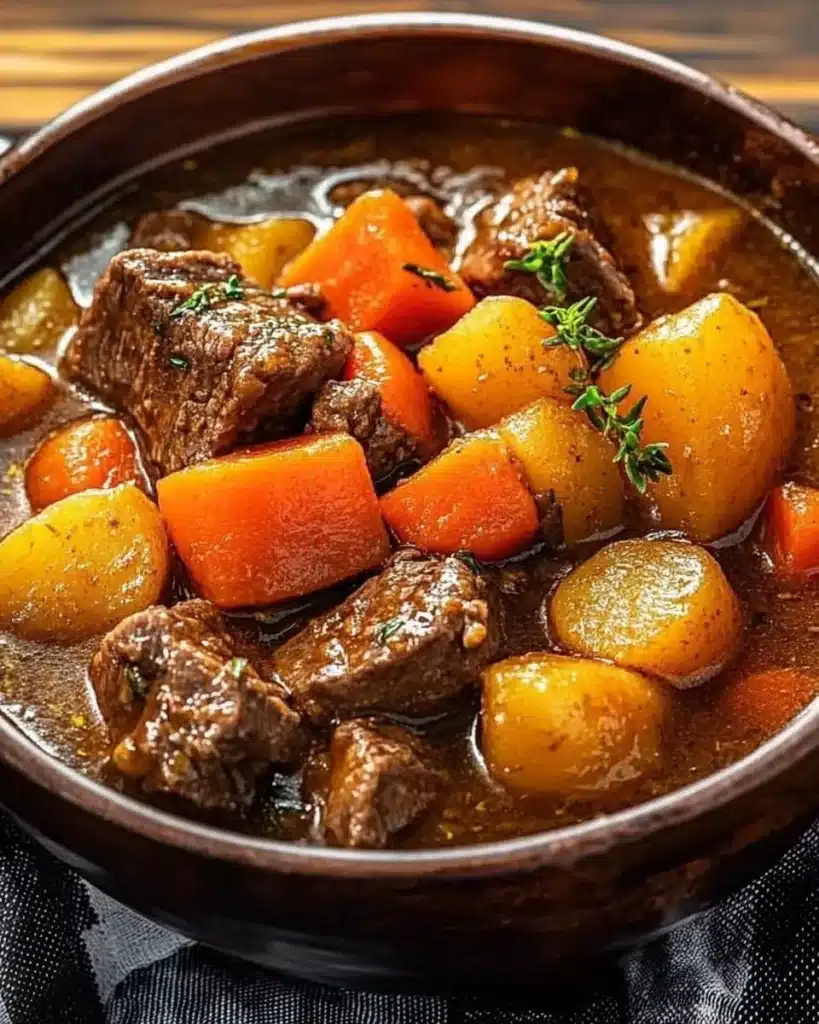
Classic Old Fashioned Beef Stew
Ingredients
Method
- Heat the vegetable oil in a large pot over medium-high heat.
- Sear the beef cubes in batches until browned, then remove and set aside.
- In the same pot, add onion and garlic, and sauté until softened.
- Stir in the tomato paste and return the beef to the pot.
- Add beef broth, carrots, potatoes, thyme, bay leaf, salt, and pepper. Bring to a boil.
- Reduce heat to low, cover, and simmer for 1.5 to 2 hours until the beef is tender.
- Remove the bay leaf before serving. Adjust seasoning as needed and serve hot.