
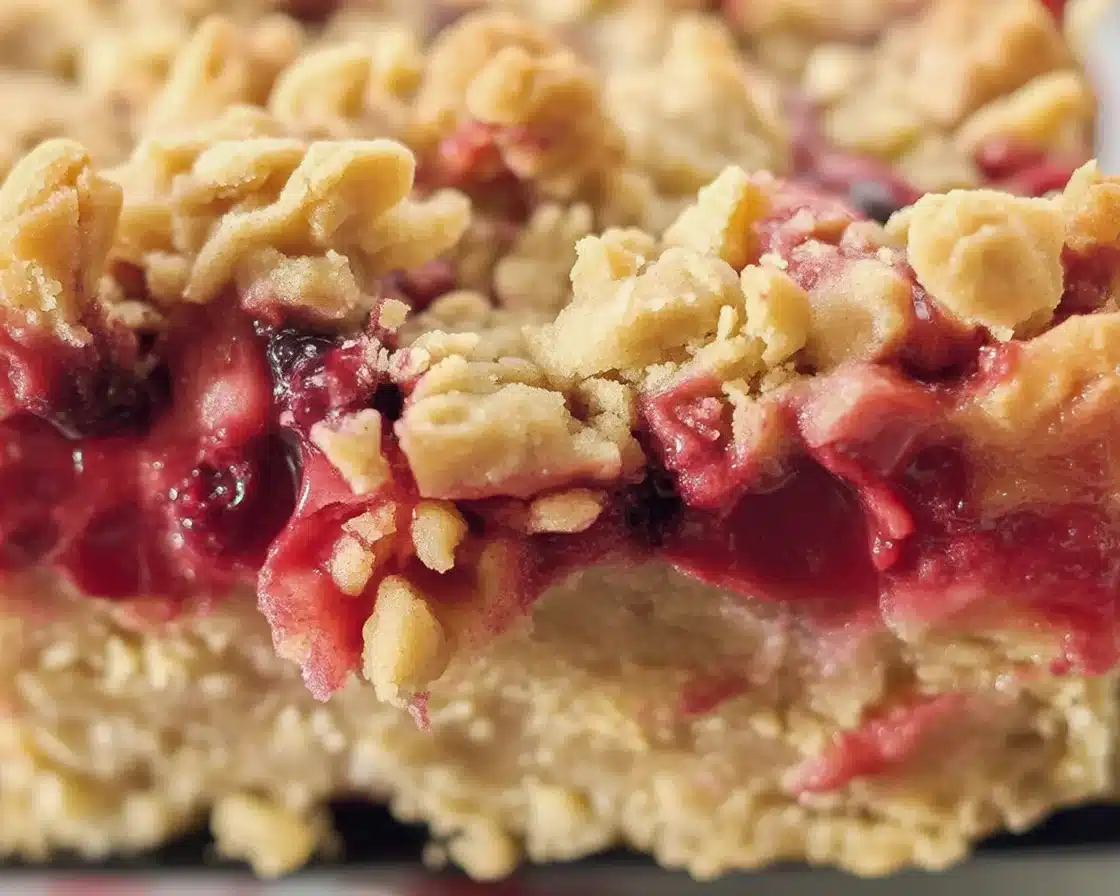
how to bake with raspberries. If you have ever tossed fresh raspberries into batter and pulled out a sunken, soggy mess, you are not alone. I have been there, staring at a wet center and wondering where I went wrong. The good news is you can totally bake juicy berries into muffins, scones, cakes, and bars without turning the dough into mush. In this post I am walking you through my practical, test-and-tweak method for How to Bake with Fresh Raspberries (Without Getting Soggy Dough). And if you love raspberries in cookies, you have got to try these chewy raspberry white chocolate pistachio cookies after you master the tips below.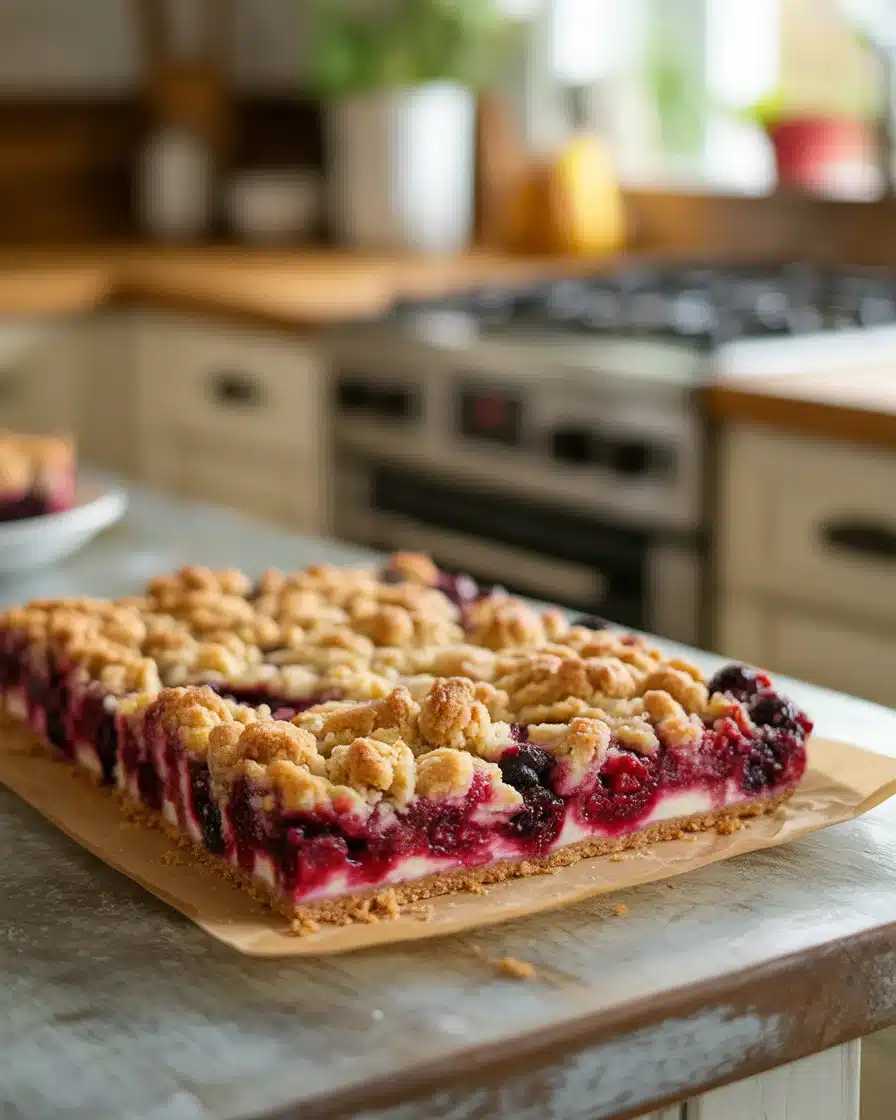
Why Raspberries Leak
Let us start with why the soggy thing even happens. Raspberries are tiny water balloons. They are over 85 percent water and built like little cups. When heat hits them, the cell walls soften and the juice escapes fast. That bright color and tart flavor we love can sneak into the dough and pool in one spot. If your batter is thin or the berries clump, that moisture collects and creates dense, gummy patches.
I learned this the hard way when I first tried to swirl raspberries into a quick bread. Looked amazing on top. Inside, it was a damp tunnel. The fix was not fancier tools. It was understanding how to slow the juice escape and build a batter that can handle it.
The science in simple words
Think of your batter as a sponge. A thicker sponge can soak up drips without falling apart. A thinner sponge gets overwhelmed. So we tweak the sponge. We make the batter a little thicker, keep the berries cold and coated, and reduce the places where juice can pool. That is the whole game.
It is the same reason fruit fritters work when you coat the fruit first. If you are into fritters, these cozy baked apple fritters with glaze use a similar idea to keep fruit from leaking into the dough too much.
Freezing Method
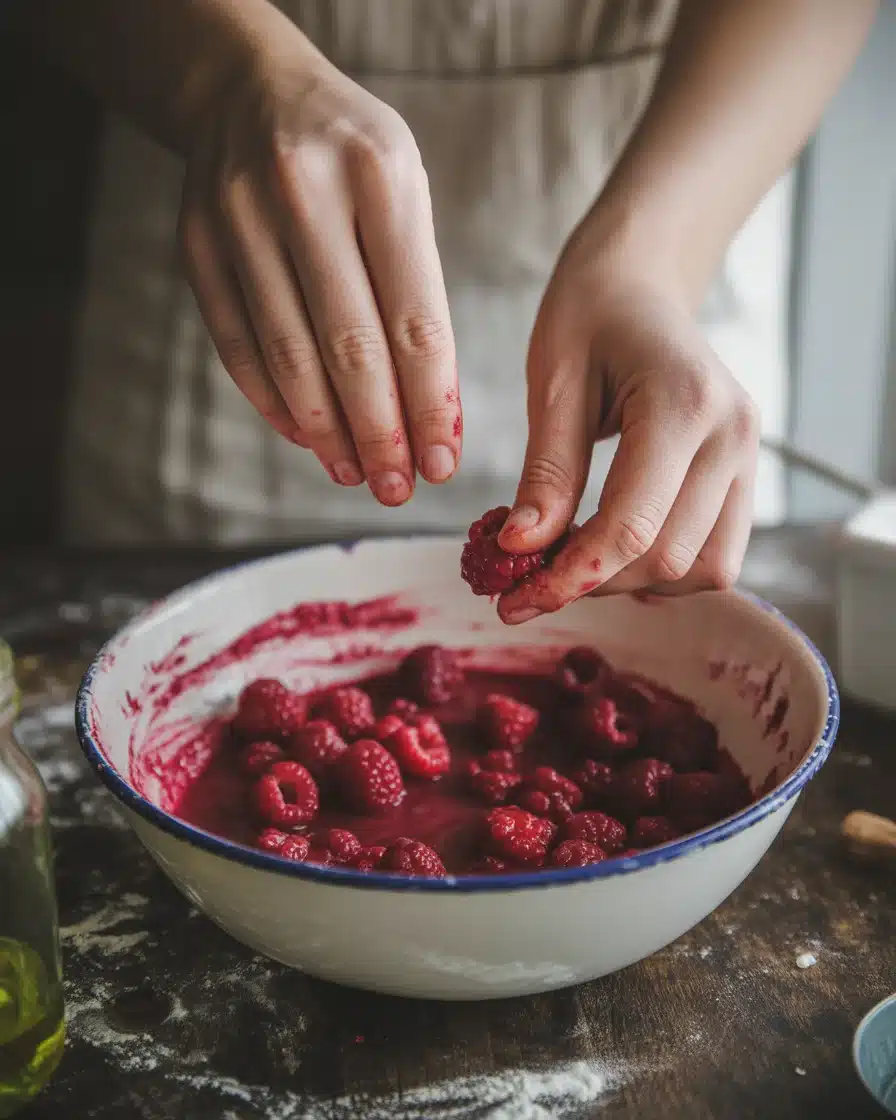
My favorite hack for keeping raspberries from bleeding into batter is to use them cold from the freezer. You can freeze your own berries on a tray or use store-bought. Either way, this method slows down the juice release and makes folding easier.
How to do it
Spread clean, dry raspberries in a single layer on a sheet pan. Freeze until solid. Once frozen, toss them gently with a little cornstarch and sugar before they go into the batter. The cornstarch acts like a tiny raincoat, and the sugar helps keep the berries from collapsing too fast. If a few berries start to thaw while you prep, no worries. Just blot them quickly with a paper towel so they are not wet to the touch.
Drop frozen berries into the batter right before baking. Do not thaw them first. Use a gentle folding motion and stop as soon as they are distributed. You might need to add 2 to 4 extra minutes to the bake time since the berries are colder. Keep an eye on the color and use a toothpick to test the center.
One more thing. A slightly thicker batter helps a ton. If you are working with pancake-like batter, try my easy tweaks in this guide to how to improve pancake mix. The concept is the same: small changes to thickness can prevent soggy pockets.
Folding Technique
Okay, you have got your coated raspberries. Now let us talk about getting them into the batter without crushing them or streaking the whole bowl red.
Gently does it
Use a wide spatula or a large spoon and fold from the bottom of the bowl up and over. Imagine you are tucking the berries into a blanket instead of stirring soup. Three to six folds is usually enough. If you are making muffins, spoon a little plain batter into the cups first, then add a few berries, then cover with more batter. This keeps most juice away from the muffin bottoms and helps the berries stay suspended.
For loaf cakes and quick breads, layer the berries: add half the batter, sprinkle on half the berries, add the rest of the batter, then the rest of the berries on top, lightly pressing them in. For a prettier top, save a handful of the best berries to dot the surface right before baking.
And if you love mix-in heavy cookies, the gentle folding mindset helps there too. These bakery style chocolate chip cookies use a careful mix to keep pools of chocolate where you want them. Same idea, new flavor.
Moisture Control
This is where we really lock it down. Keeping dough from getting soggy is a combo of preparation and small recipe tweaks. Here are the tweaks that have made the biggest difference in my kitchen.
- Coat raspberries with 1 to 2 teaspoons of cornstarch and 1 teaspoon of sugar per cup of berries. It is just enough to grab extra juice without tasting chalky.
- Thicken the batter slightly. Add 1 to 3 tablespoons more flour to muffin or cake batter, or cut the liquid by 1 to 2 tablespoons. You want batter that falls off the spoon in thick ribbons.
- Macerate briefly, then drain. If your berries are extra tart, toss with a little sugar and let sit 10 minutes, then drain off the liquid and pat dry before coating in cornstarch.
- Use metal pans for quicker set. Metal helps the structure set faster than glass, which keeps juice from spreading.
- Par bake crusts for bars and galettes. Give the base a head start, then add berries and finish baking for crisp bottoms.
- Vent steam. For pies or galettes, cut vents or leave gaps so steam escapes instead of soaking the crust.
- Go streusel. A crumb topping absorbs berry juices in the best way. It gives you texture and protects the cake beneath.
- Room temp ingredients except the berries. Cold eggs and butter can trap air unevenly, but cold berries reduce bleeding. Best of both worlds.
- Rest the batter 10 minutes before baking. It hydrates the flour so it can handle the berry juice better.
- Measure carefully. Too little flour or too much liquid is a fast track to soggy centers. Weighing your flour removes the guesswork.
For a cozy cake that plays nice with juicy fruit, try this apple cake with dreamy cream cheese frosting. The batter style is sturdy and adaptable for swapping in berries too.
Best Recipes to Use
Some recipes just love raspberries. They build in structure and texture to keep everything bright and not soggy. These are my go-tos when I have a fresh pint.
- Muffins with thick batter. Think bakery style muffins that mound in the middle. Add raspberries at the end and top with coarse sugar.
- Scones. The dough is crumbly and rich, which keeps raspberries in place. Freeze berries and press gently into the dough before cutting.
- Streusel coffee cake. Layer batter, raspberries, then crumb topping. The crumbs soak up juices and bake into a crunchy lid.
- Galettes and slab pies. Use a little cornstarch with the berries and do a partial pre-bake on the base if you want extra crisp.
- Cheesecake swirls. Dollop thick raspberry puree in small spots and swirl lightly with a toothpick to avoid wet patches.
- Quick breads. Thicken batter slightly, layer berries, and bake in a metal loaf pan for even set.
- Cookies with berries. Use hearty doughs and very cold berries. Start with small add-ins and bake a test cookie. Then commit. For cookie inspiration, those raspberry white chocolate pistachio cookies are a winner.
- Weekend sweets. If you like sweet breakfast treats, these apple cider donuts show how to balance moisture and sweetness beautifully, which is the same energy raspberries need.
Common Questions
Can I use frozen raspberries instead of fresh?
Yes, and sometimes they are even better for clean folds. Use them straight from the freezer, toss with a bit of cornstarch and sugar, and do not thaw. Add a couple extra minutes of bake time.
How do I stop berries from sinking?
Thicken your batter a touch, fill pans halfway first, then add berries and top with more batter. A light cornstarch coat also helps berries grip the batter.
Should I rinse raspberries before baking?
Only if they really need it. If you rinse, do it quickly and gently, then spread on a towel and let them dry completely before using. Wet berries are the enemy of crisp edges.
Is cornstarch better than flour for coating?
For delicate berries, yes. Cornstarch grabs juice without getting pasty. Use flour if cornstarch is not handy, but go easy so your batter does not get stodgy.
Will these tips work for other berries too?
Mostly yes. Strawberries need more thickener since they are juicier. Blueberries are easier. The same rules from How to Bake with Fresh Raspberries (Without Getting Soggy Dough) apply, with tiny tweaks to batter thickness and bake time.
Ready to Bake Without the Soggy Drama
We covered the big moves: keep raspberries cold, coat them lightly, thicken your batter a smidge, and fold gently. Layer when you can, and let metal pans and a bit of streusel do some heavy lifting. That is really How to Bake with Fresh Raspberries (Without Getting Soggy Dough) without fancy tools or stress. If you want a bar that loves raspberries, these Raspberry Crumble Bars are a fun next bake. And if your berries are on the edge of too soft, try making your own with this guide to DIY oven dried raspberries and stir them into batter for extra pop. I hope these tips help you pull a gorgeous, not-soggy pan from the oven today.
