There is a quiet kind of peace that comes when a pot of Mama Lila’s Hearty Creole Jambalaya simmers slowly on the stove. The steam lifts like a soft blanket, carrying a warm melody of garlic, herbs, and tomatoes that feels like home. In a busy life, this dish asks you to slow down, to notice the aroma as it deepens, and to breathe as you stir.
Cooking this Jambalaya is an invitation to gentle attention. The rhythm of browning, softening, and simmering becomes a small practice of care. Each step is simple and steady, and the result is a bowl that comforts both body and soul.
A Gentle Recipe for Body & Soul
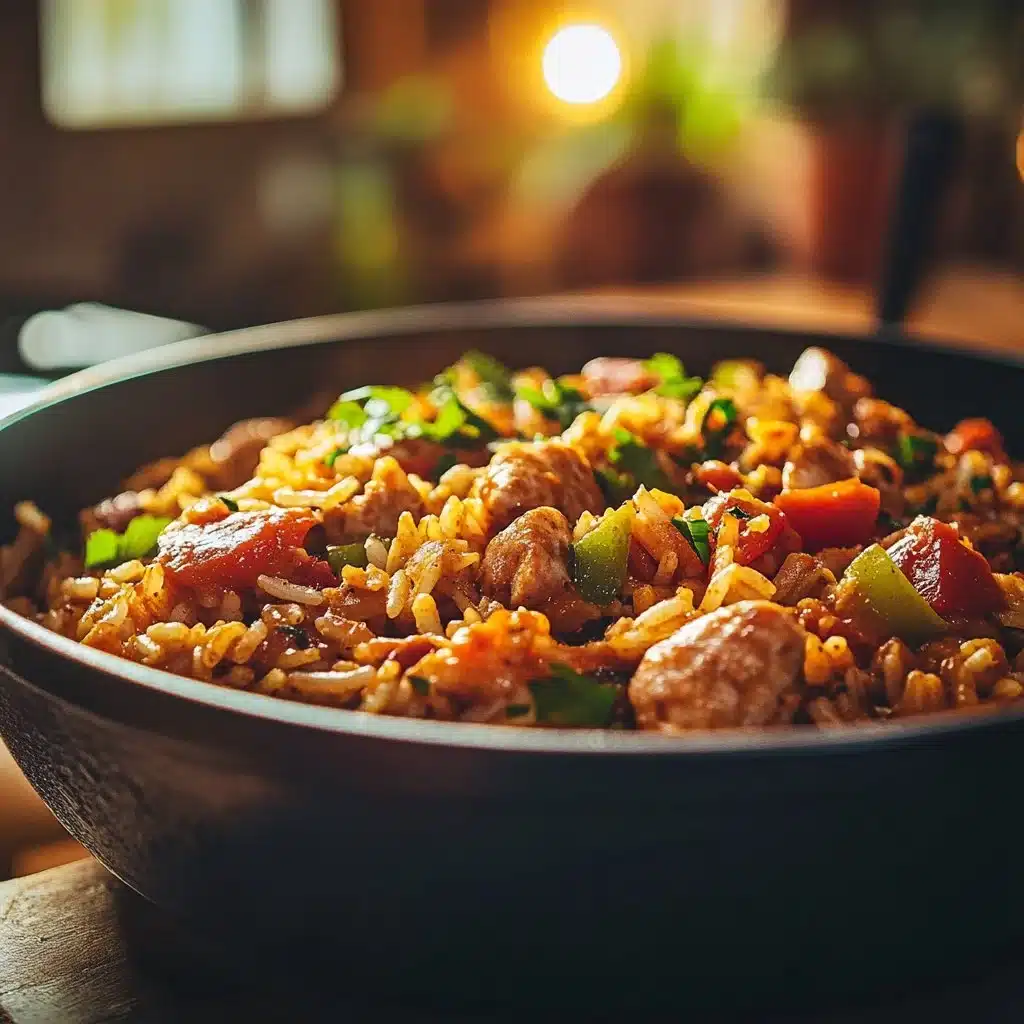
This Jambalaya is more than a collection of flavors. It is nourishment that reaches the bones and memory alike. The combination of protein, vegetables, and rice gives grounding energy, while the warm spices invite a feeling of ease. When you serve this dish, you offer warmth and steadiness to yourself and those around you.
From my kitchen, I have found that cooking in a calm, deliberate way changes the whole experience of a meal. Take your time as you prepare this Jambalaya. Notice the sizzle when sausage meets oil, the softening of onions, and the way the kitchen fills with steam like a small, quiet celebration. Let these small details steady you.
This recipe brings balance. There is heat, but not too much. There is richness, but a brightness from tomatoes and herbs. Together they make a whole you can rely on on a cool evening or a long afternoon when you want something restorative.
Wholesome Ingredients You’ll Need for Jambalaya
1 pound chicken, diced
1 pound shrimp, peeled and deveined
1 pound andouille sausage, sliced
1 onion, chopped
1 green bell pepper, chopped
2 celery stalks, chopped
4 cloves garlic, minced
1 can diced tomatoes
4 cups chicken broth
2 cups long-grain rice
2 tablespoons Cajun seasoning
Salt and pepper to taste
Green onions, for garnish
Parsley, for garnish
Mindful notes: Use fresh herbs if you can. They carry gentle energy and brighten the dish. Choose good quality sausage and broth; they are the quiet anchors of the flavor. If you prefer less heat, use a mild Cajun blend and add a touch more parsley for freshness.
Step-by-Step How to Prepare Jambalaya
“Cooking is a quiet way of caring for yourself and the ones you love.”
- In a large skillet, heat oil over medium heat. Add the chicken and sausage; cook until browned for about 4 to 6 minutes.
Take your time here. Let the meat sear and develop a gentle crust. The smell that rises is the beginning of the meal’s story. - Stir in the onion, bell pepper, celery, and garlic; cook until softened for about 5 minutes.
Stir slowly until everything feels balanced. The vegetables should become tender and release their sweet, fragrant notes into the pan. - Add diced tomatoes, chicken broth, rice, Cajun seasoning, salt, and pepper. Bring to a boil, then reduce heat, cover, and simmer for about 20 minutes until rice is cooked.
Watch the broth and rice gently bubble. Once the pot is covered, let it work quietly. Resist lifting the lid too often; trust the simmer. - Stir in shrimp, cover, and cook for an additional 5-10 minutes until shrimp are pink.
Shrimp cooks quickly. Add it toward the end so it remains tender and sweet. Cover once more and breathe as the flavors come together. - Serve hot, garnished with green onions and parsley.
Bring the pot to the table or ladle into warm bowls. A little fresh green on top adds brightness and a sense of finishing care.
Discover More Nourishing Recipes
Head over to our Recipe Trends page and uncover a world of fresh, plant-forward ideas that fit right into your daily routine. From vibrant seasonal flavors to calming, wholesome dishes, each recipe is designed to spark inspiration and bring a sense of balance to your kitchen. Find comfort, joy, and connection in every meal while exploring what’s trending right now.
Preparing Jambalaya with Care
There is a small ritual in preparing this meal that helps it nourish more than the body. Begin by setting out your ingredients thoughtfully. Wash the vegetables, pat the shrimp dry, and measure the rice. When you are organized, you move through the recipe more peacefully.
Heat your pan gently and listen to the sounds as they change. The first sizzle as you add chicken is a lively note. As the vegetables soften, the sound becomes softer, like a lullaby. These sensory cues help you stay present and patient.
If you have a moment, take a sip of tea or water between steps. This practice keeps you steady, and it helps transform cooking into a meditative, rejuvenating act.
How to Serve Jambalaya with Intention
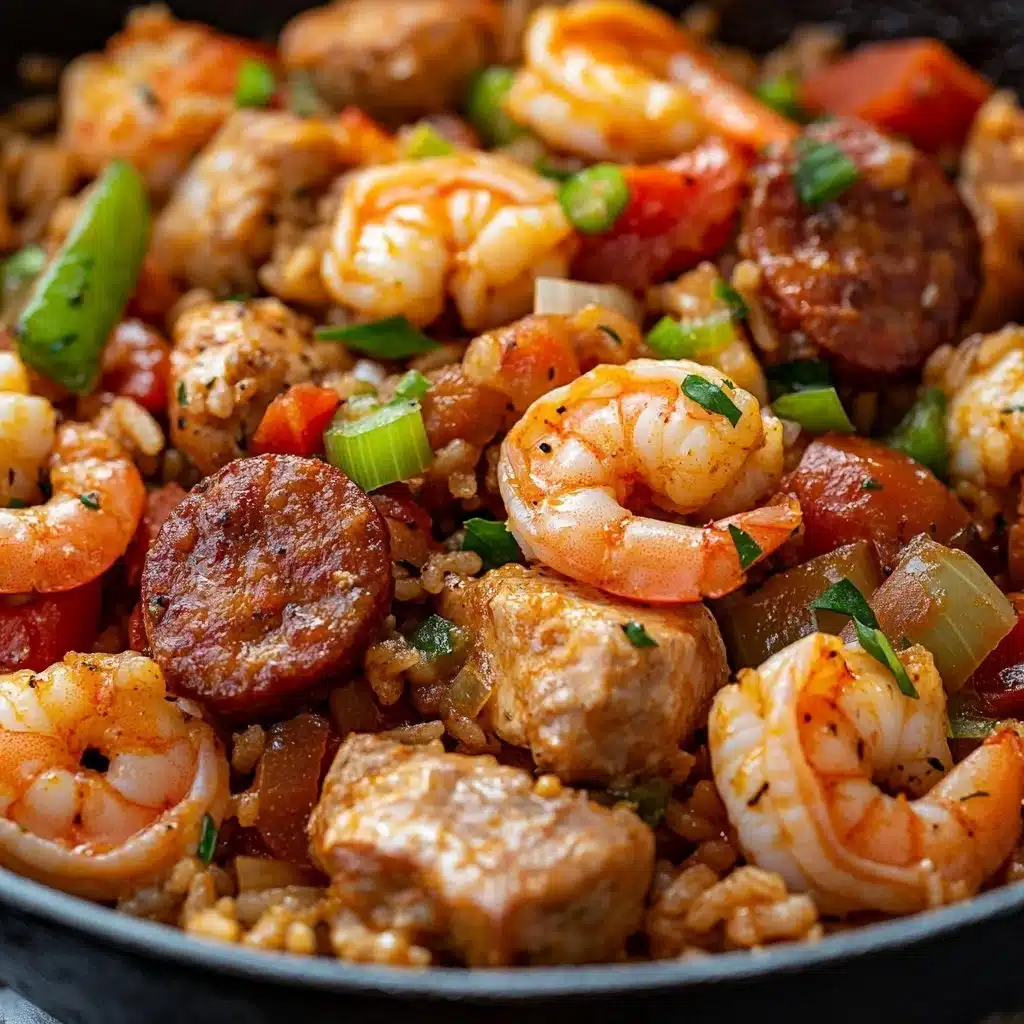
Serving is the final act of kindness in the kitchen. When you plate the Jambalaya, choose bowls that feel comfortable in your hands. Spoon the rice and seafood into a nest in the center, letting the juices spread like a warm river across the plate. Garnish with green onions and parsley for color and a fresh scent.
Invite those you are feeding to pause for a breath before eating. A brief moment of gratitude can turn a simple meal into a shared ceremonial comfort. If you are serving alone, set your place as if someone dear will join you. Light can glow on the table; notice the way steam catches the light and softens the room.
Pair the Jambalaya with a simple green salad or some warm bread to collect the last savory drops. Drink slowly, and let each spoonful ground you. Eating with attention allows the food to settle in both body and spirit.
How to Store Jambalaya the Right Way
Allow the Jambalaya to cool to near room temperature before storing. Transfer it into an airtight container and place it in the refrigerator. It will keep well for 3 to 4 days. The flavors often deepen overnight, so preparing ahead can be a quiet gift to yourself.
For longer storage, freeze in single-portion containers. Leave a small space at the top of each container for expansion. Frozen Jambalaya will keep for up to 3 months. When you are ready to eat, thaw gently in the refrigerator and reheat on the stove over low heat, stirring occasionally. Add a splash of broth if it seems dry.
When reheating, do so slowly. Heat helps bring back the meal’s comfort. Stir slowly and breathe as the steam rises, welcoming the smell back into your kitchen.
Mama Lila’s Helpful Tips
- If you need to make the dish vegetarian, replace the meats with heartier vegetables like mushrooms and eggplant, and use a rich vegetable broth. This keeps the dish nourishing and grounding.
- For a milder spice level, cut the Cajun seasoning to one tablespoon and finish with a pinch of smoked paprika for depth. Add heat later if you wish.
- Rinse your rice until the water runs clear for a cleaner, less sticky result. This small step makes the texture more soothing.
- Use a heavy-bottomed pot when simmering. It distributes heat evenly and prevents sudden scorching. A calm, even simmer makes the rice absorb flavors without worry.
- Make a little extra broth and keep it warm. If the Jambalaya dries out while cooking or when reheating, a splash of warm broth brings it back to life.
Each tip is rooted in simple kitchen wisdom. These small shifts help the dish feel reliable and comforting every time you make it.
Peaceful Variations to Explore
There are gentle ways to adapt this recipe that respect the spirit of the dish while inviting variety.
- Herb swaps: Try thyme and a touch of oregano with parsley for a different herbal note. Fresh basil near the end brings a sweet lift.
- Seasonal additions: In fall, add diced sweet potatoes. In summer, stir in chopped tomatoes and a handful of basil for brightness.
- Slow-cooker option: Brown the meats and sauté the vegetables first. Then move everything to a slow cooker, add rice and broth, and cook on low for about three hours. Add shrimp in the final 30 minutes.
- Grain alternatives: Use brown rice for more fiber. Increase cooking time and broth slightly, and be patient; brown rice takes a bit longer to become tender.
- Seafood-focused: If you prefer seafood, omit chicken and increase shrimp and a firm white fish. Add seafood toward the end to preserve its delicate texture.
These variations are invitations to listen to what your body and senses need. Each choice keeps the essence of Jambalaya while letting you tailor it to the moment.
FAQs Common Questions About Jambalaya
Can I make this ahead of time?
Yes. In fact, Jambalaya often tastes even more comforting the next day as the flavors blend. Store in the refrigerator and reheat slowly. A splash of broth helps revive texture.
How can I reduce sodium without losing flavor?
Use low-sodium broth and reduce added salt. Boost flavor with fresh herbs, a squeeze of lemon, or a bay leaf while simmering. Toasting the rice briefly in the pan before adding broth adds a warm, nutty note without salt.
What if I do not have andouille sausage?
Choose another smoked sausage, or use a milder kielbasa and add a little smoked paprika for that smoky quality. The aim is to layer flavor, not to replicate one item exactly.
How do I know the rice is fully cooked?
The grains should be tender but separate. If a tiny bit of bite remains, let it rest covered off the heat for 5 to 10 minutes. Steam will finish the job gently.
Can I make this gluten-free?
Yes. Most ingredients here are naturally gluten-free. Check that your sausage and seasonings are labeled gluten-free to be certain.
Sourcing and Caring for Ingredients
When possible, choose ingredients that feel good to you. Local vegetables often carry more fresh aroma, and a kind butcher can help you select sausage without worrying about additives. Good stock, whether homemade or from a trusted brand, will be the quiet depth beneath the surface of the meal.
If you have access to a farmers market, pick slightly ripe tomatoes and firm green peppers. The difference is subtle, but when you are cooking with care, these small choices accumulate into a dish that feels lovingly made.
A note about seafood: buy shrimp that look firm, smell clean, and are translucent. If you purchase frozen shrimp, thaw them in the refrigerator before cooking and pat them dry. Gentle handling preserves their sweet texture.
The Rhythm of the Kitchen
There is a rhythm to making Jambalaya that can be both grounding and meditative. Begin with preparation: chop, measure, and set things in order. Then move through browning, softening, simmering, and finishing. Each phase has a sound and scent that marks it.
Allow pauses. A brief moment between steps gives you a chance to breathe, to look out the window, or to stir slowly and notice the steam rise. This kind of cooking becomes a practice in presence. The food nourishes while the act of making it brings calm.
Keep your movements deliberate. Stir with intention. Taste mindfully. Adjust heat slowly. These small actions teach patience and care, and they make the meal feel like a gentle offering.
Feeding a Gathering
This Jambalaya is forgiving when you are cooking for company. It warms well and scales easily. Use a heavy pot or a shallow pan and multiply the ingredients by two or three if you have a larger group.
When serving family-style, place the pot in the center of the table with a ladle and a bowl of extra green onions and parsley. Encourage people to take a moment to breathe together before eating. Such a small gesture can make the meal feel like a shared comfort.
If you need to transport the Jambalaya, keep it hot in an insulated container and offer a small box of extra broth or warm water to loosen the rice if needed when you arrive. This keeps the texture pleasant and the meal comforting.
A Short Note on Seasoning and Balance
Seasoning is a subtle art. Add salt gradually, tasting as you go. The smokiness of the sausage and the warmth of the Cajun seasoning contribute a lot; let those flavors guide your salt levels.
Balance heat with fresh herbs and a squeeze of citrus if you like. A whisper of lemon can wake the dish at the end and make each bite feel lighter. Fresh green onions and parsley add texture and lift the whole bowl.
Remember that the longest simmer will bring things into harmony. If at first the seasoning feels unfamiliar, give it time, and then taste again. You are allowed to adjust slowly and gently.
Common Mistakes and How to Avoid Them
One common mistake is overcooking shrimp. To avoid this, add shrimp at the very end and watch carefully. They should turn pink and firm, not rubbery.
Another is lifting the lid too often while the rice cooks. Each lift slows the process and causes uneven cooking. Cover and trust the simmer.
A third is skimping on the broth. Jambalaya needs enough liquid for rice to cook fully; be ready with extra warm broth if the pot seems dry before the rice is tender.
These are simple issues to avoid with a patient approach. When you cook with calm attention, most mistakes simply do not happen.
Final Reflection
Cooking is a small, powerful way to care for yourself. A pot of Jambalaya has warmed my family through many evenings and has become a quiet touchstone. When you make this recipe, know that you are making more than food. You are making comfort, steadiness, and a place to gather.
Slow down as you work. Savor the aromas. Let the kitchen be a gentle space where each step can be done with kindness and patience. This meal supports the body and calms the heart.
Mama Lila’s Closing Thought
I hope this Jambalaya brings you the same peace and warmth it brings to my home each time I cook it. Take your time. Breathe as you stir. Let the flavors come together slowly, and serve with a generous portion of care.
Common Questions About Jambalaya Quick Recap
- Can I make this gluten-free or vegetarian? Yes, with the simple swaps noted above.
- Is it freezer-friendly? Yes, freeze in portions for up to three months.
- How can I lighten the dish? Use brown rice, lean chicken, and more vegetables, and reduce sausage.
- What pairs nicely? A simple green salad, crusty bread, or a light coleslaw balances the richness.
Conclusion
If you would like another simple, comforting version to try, the one-pan jambalaya recipe at Tastes Better From Scratch is a gentle and efficient approach to the same soulful dish.
For more traditional perspectives and a classic take on the rhythms of Jambalaya, consider reading Chuck’s jambalaya recipe on The Gumbo Pages.
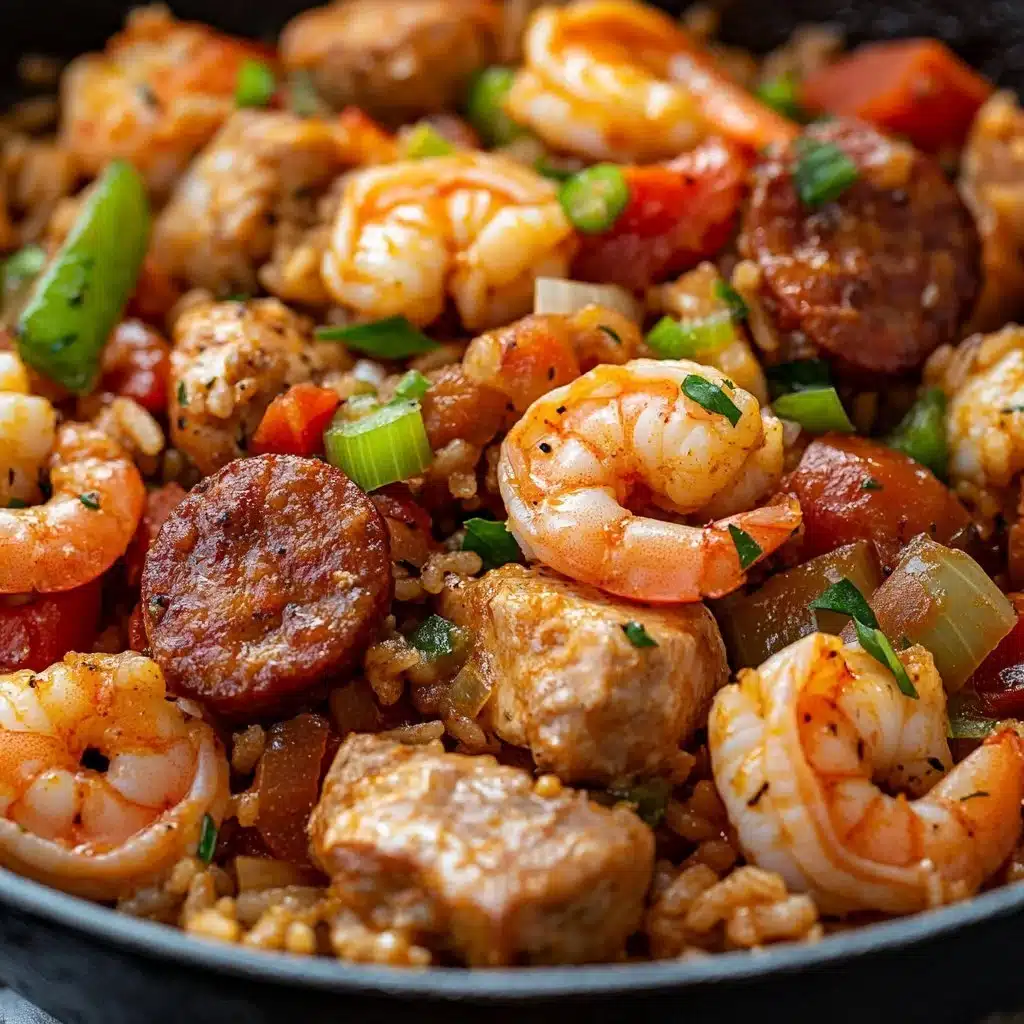
Hearty Creole Jambalaya
Ingredients
Method
- In a large skillet, heat oil over medium heat. Add the chicken and sausage; cook until browned for about 4 to 6 minutes.
- Stir in the onion, bell pepper, celery, and garlic; cook until softened for about 5 minutes.
- Add diced tomatoes, chicken broth, rice, Cajun seasoning, salt, and pepper. Bring to a boil, then reduce heat, cover, and simmer for about 20 minutes until rice is cooked.
- Stir in shrimp, cover, and cook for an additional 5-10 minutes until shrimp are pink.
- Serve hot, garnished with green onions and parsley.